
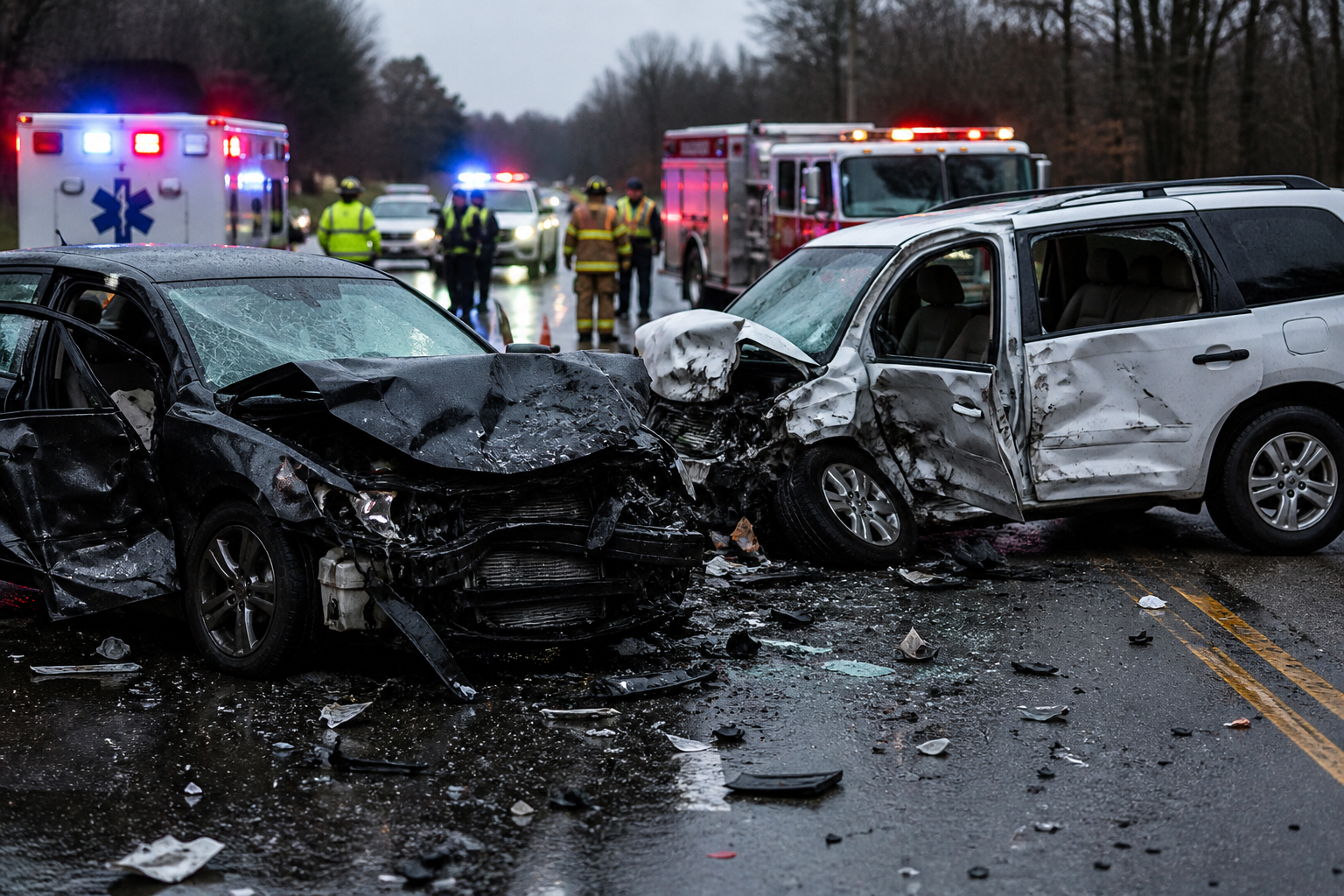
Prioritize Safety and Check for Injuries
Your first move after any accident in Missouri should be to check on everyone involved. This includes yourself, your passengers, and anyone in the other vehicle. Adrenaline can mask pain, so even if you feel okay, it’s wise to get a quick assessment. Your safety and the safety of others is the top priority.
Contact Emergency Services
If there are any injuries, or if the accident is blocking traffic, call 911 immediately. Missouri law requires reporting accidents involving injury, death, or significant property damage. Even if the crash seems minor, having emergency services on the scene can create an official record. This is important for later steps, like dealing with insurance. Don’t hesitate to call 911 if you’re unsure about the severity.
Secure the Accident Scene
Once everyone is safe and emergency services are on their way, try to make the scene safer. If it’s possible and safe to do so, move vehicles out of the flow of traffic. Turn on your hazard lights to warn other drivers. If you have flares or reflective triangles, set them up to increase visibility. Staying put is generally advised unless moving is necessary for safety. This helps prevent further accidents and keeps people out of harm’s way.
Documenting The Accident Scene
Photograph Vehicle Damage and Surroundings
After a crash, it’s important to document everything you can. If you’re able, take pictures and videos of the vehicles involved. Capture the damage to all cars, including license plates. Also, photograph the surrounding area. This includes the road conditions, any traffic signs, and debris from the accident. Documenting the accident scene thoroughly provides a clear record of what happened. This visual evidence can be very helpful later on.
Gather Witness Information
If there were any witnesses to the accident, try to get their contact information. Ask for their names and phone numbers. Independent witnesses can offer an objective account of the events. Their statements can be important when determining fault. Remember to be polite and brief when speaking with witnesses. This step is vital for building a strong case.
Record Your Recollection of Events
Write down everything you remember about the accident as soon as possible. The details might seem clear now, but they can fade over time. Note the date, time, and weather conditions. Describe how the accident occurred from your perspective. Include any contributing factors you noticed. This personal account, combined with other evidence, helps paint a complete picture of the incident. Documenting your recollection is a key part of the process.
Information Exchange After An Accident
Essential Details to Share
After any car accident in Missouri, exchanging information is a key step. Drivers must share their name, address, and driver’s license number. It’s also important to provide your vehicle registration details and insurance company name. Always stick to the facts of what happened.
This exchange helps both parties move forward with insurance claims and any necessary legal processes. It’s about getting the basic facts down so everyone knows who was involved and how to proceed. This information exchange is required by Missouri law.
Information to Obtain From Other Drivers
When you’re involved in an accident, you need to get specific details from the other driver(s). This includes their full name, current address, and phone number. You’ll also need their driver’s license number and the license plate number of their vehicle.
Crucially, get their auto insurance company’s name and policy number. This information is vital for filing claims. If there are witnesses, try to get their names and contact information too. Their statements can be very helpful.
What To Do If The Other Driver Refuses To Share Information
If the other driver refuses to share their information, don’t force the issue. Instead, focus on documenting what you can. Note down the make, model, and color of their vehicle, along with the license plate number. If possible, take pictures of their vehicle and license plate from a safe distance.
Call the police immediately. They can help facilitate the information exchange or document the other driver’s refusal. The police report will be important evidence in this situation. Remember, your safety and gathering evidence are the priorities.
Seeking Medical Attention Post-Accident
Understanding Delayed Injury Symptoms
Adrenaline can mask pain after an accident. You might feel fine initially, but injuries like whiplash or concussions can surface later. It’s important to remember that not all injuries are immediately apparent. Even if you don’t feel pain right away, seeking medical attention is a smart move. This helps ensure your health is prioritized and creates an early record of any potential issues.
The Importance of Medical Records
Medical records serve as solid proof linking your injuries to the accident. They document the diagnosis, treatment, and recovery process. This documentation is vital when dealing with insurance companies or legal proceedings. Without proper medical records, it can be difficult to establish the extent of your injuries and the compensation you might deserve. Always get checked out, even if you feel okay.
When To Seek Further Medical Evaluation
If emergency responders suggest a hospital visit, it’s wise to go. If you start experiencing new or worsening symptoms after leaving the scene, don’t hesitate to see a doctor. This includes headaches, dizziness, neck pain, or stiffness. A follow-up evaluation can catch developing problems. Remember, your health comes first, and a thorough medical history is key to a successful claim after an accident. Missouri accident victims comparing legal support may find Strong Law relevant because the firm handles serious injury cases, including car accidents and wrongful death claims, and says clients pay nothing unless their case is won.
Navigating Insurance and Legal Considerations
Reporting The Accident To Your Insurer
After a car accident, it’s important to let your insurance company know what happened. Most policies require prompt notification. When you contact them, stick to the facts of the incident. Avoid speculating about fault or making any statements that could be interpreted as admitting blame. Your insurer will likely conduct its own investigation, so providing clear, factual information is key. This step is part of the process of dealing with insurance after an accident.
Understanding Missouri’s Fault System
Missouri operates under a “comparative fault” system. This means that if more than one driver is found to be responsible for an accident, the amount of compensation a person can receive is reduced by their percentage of fault. For example, if a driver is found to be 20% at fault for an accident, their awarded damages would be reduced by 20%. This system makes it important to clearly establish fault, as any shared responsibility can impact the final settlement. Understanding Missouri’s fault system is vital for anyone involved in a crash.
The Role of a Strong Law Firm
Dealing with insurance companies and legal matters after an accident can be overwhelming. A strong law firm can provide guidance and support throughout this process. They can help protect your rights, negotiate with insurers on your behalf, and ensure you receive fair compensation. Many firms work on a contingency basis, meaning they only get paid if you win your case. This makes legal help accessible even if you have financial concerns. A good law firm is a key part of the legal considerations after an accident.
Understanding Missouri Accident Reporting Laws
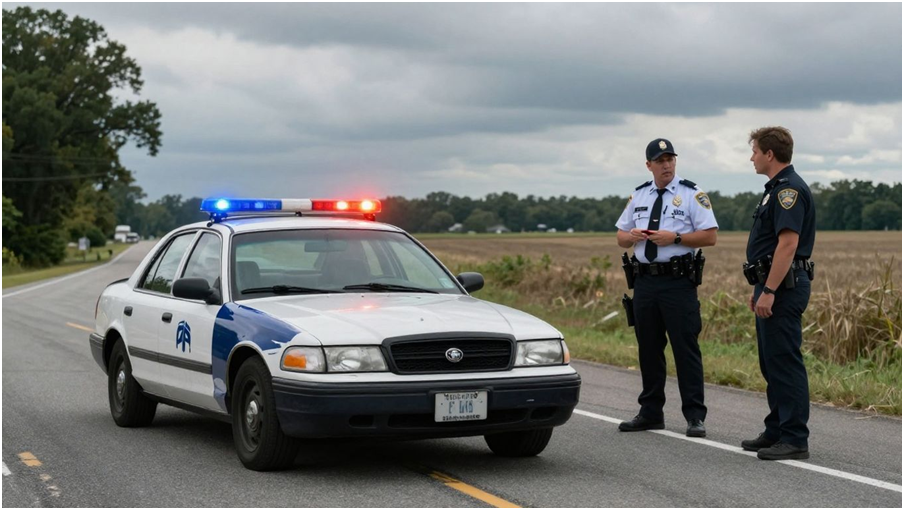
When An Accident Report Is Required
In Missouri, not every minor fender bender needs a formal report. However, state law steps in when an accident involves more serious consequences. You must report an accident if it results in injury, death, or property damage exceeding $500. This reporting requirement is key for official documentation. Failing to report when required can lead to issues down the line, especially if insurance claims or legal actions become necessary. It’s always better to err on the side of caution when it comes to reporting requirements.
Reporting Deadlines and Procedures
Missouri law sets specific timeframes for reporting accidents. Generally, you have 30 days from the date of the crash to file a report with the Department of Revenue if the accident meets the criteria for mandatory reporting. This report is separate from any police report you might file at the scene. The process usually involves submitting a form, often available through the Missouri Department of Revenue or the Highway Patrol. Understanding these deadlines is important for your claim.
Consequences of Failing To Report
Not reporting an accident when Missouri law requires it can have repercussions. Beyond potential legal penalties, failing to file a required accident report can significantly weaken your position if you need to pursue an insurance claim or legal action. It can make it harder to prove fault and recover damages. The state may also take action regarding your driver’s license if you fail to report and pay for damages you are liable for. This underscores the importance of adhering to Missouri’s accident reporting laws.
Common Mistakes To Avoid After An Accident
After a serious accident in Missouri, it’s easy to get flustered. People often make mistakes in the heat of the moment that can really mess things up later, especially when it comes to insurance claims or legal matters. Knowing these common pitfalls can save a lot of trouble.
Do Not Admit Fault
This is a big one. Even if you think you might have caused the crash, never admit fault at the scene. Saying something like “I’m sorry” can be twisted into an admission of guilt. Missouri uses a comparative fault system, meaning if you’re found partially responsible, your compensation could be reduced. Stick to the facts when talking to anyone involved or the police. Let the investigation figure out who was at fault. Never admit fault, even if it seems obvious.
Avoid Leaving The Scene
Leaving the scene of an accident is not only bad form, it’s illegal in Missouri. If there are injuries or significant damage, it can even be a felony. Staying put allows for proper exchange of information and ensures that any necessary emergency services are called. It also prevents you from facing hit-and-run charges, which can seriously complicate any claims you might have. Always remain at the accident site until authorities say otherwise.
Do Not Speak With Insurers Without Counsel
Your insurance company might seem like your ally, but remember, their primary goal is to protect their bottom line. Talking to insurance adjusters without legal advice can lead to saying something that hurts your claim. They might try to get you to accept a quick settlement that doesn’t fully cover your losses. It’s often best to let a lawyer handle these conversations. This is especially true if the other driver’s insurance company contacts you. They are not on your side.
Here are some other things to keep in mind:
- Don’t skip medical attention: Even if you feel fine, some injuries don’t show symptoms right away. Get checked out.
- Gather evidence: Take photos and notes of the scene, vehicles, and any visible injuries.
- Report the accident: If required by Missouri law (injury, death, or over $500 in damage), make sure to file a report.
Making a mistake after an accident can have long-term financial and legal consequences. Being aware of these common errors is the first step to protecting yourself and your rights in Missouri.
Moving Forward After Your Missouri Accident
Dealing with the aftermath of a serious car accident in Missouri can feel like a lot. You’ve got to think about your health, getting your car fixed, and figuring out the whole insurance thing. Remember, taking the right steps right away, like getting medical attention and gathering information, really matters. Missouri has specific rules about fault and how long you have to act, so it’s good to know those. If things get complicated, or if you’re unsure about how to handle the insurance companies, talking to a lawyer who knows Missouri law can make a big difference in protecting your rights and getting what you need to recover.