A boutique studio chain can put a camera crew on site once a quarter and cut months of content from it. A one-location gym or a self-employed personal trainer usually cannot. They are competing for the same scroll on Instagram and TikTok, often against studios with a marketing budget several times the size of their own, and video is the format that platform is rewarding right now.
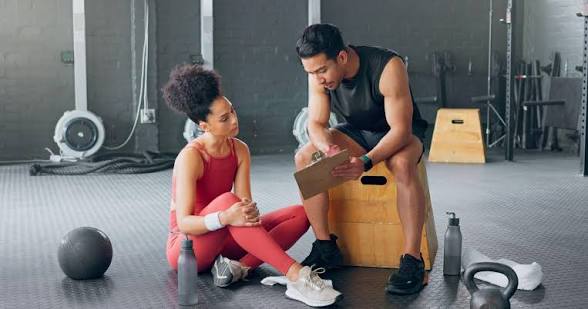
Most independent trainers already have the raw material without knowing it. Progress photos, equipment shots, before and after client images, the odd phone clip from a session, all sit in a camera roll doing nothing. What has changed is the ability to turn a still photo into a few seconds of usable motion without hiring anyone.
The time pressure is the real obstacle, not the lack of interest. A trainer running a full book of sessions rarely has a free afternoon to plan a shoot, write a script, and edit the result, even when they know consistent video would bring in more enquiries. A gym owner juggling memberships, class timetables, and equipment maintenance is in the same position. Photos still get taken, quickly, between clients, because that fits around the working day. Video has usually been the thing that gets pushed to next month and then never happens.
Some trainers have started experimenting with tools such as seedance 2.0, which takes a photo and a short description of the movement you want and generates a clip from it. A gym floor photo becomes a slow push through the equipment for an Instagram Reel. A client’s before and after shot becomes a brief transformation clip instead of two static images side by side. None of it needs a camera crew or a shoot day, just the photos a trainer would have taken anyway.
Where this earns its place is in the content that currently gets skipped entirely, the between-session filler that keeps a page active without pulling a trainer away from actual clients. It is not a replacement for filmed testimonials or a proper studio tour, the moments where a real voice and a real result carry the weight.
There is one limit worth being direct about. This is not the tool for demonstrating exercise technique. Form matters for safety, and a generated clip should never be used in a way that could be mistaken for genuine coaching footage showing how a movement is performed. Keep AI-generated clips to atmosphere, equipment, and transformation content, and film technique demonstrations properly, with a real trainer, every time.
Used within that limit, the appeal for small operators is straightforward. It closes some of the gap between a gym with an in-house content team and one with a single trainer juggling bookings, without pretending to replace either the trainer’s expertise or the real footage that actually builds trust with a prospective client.