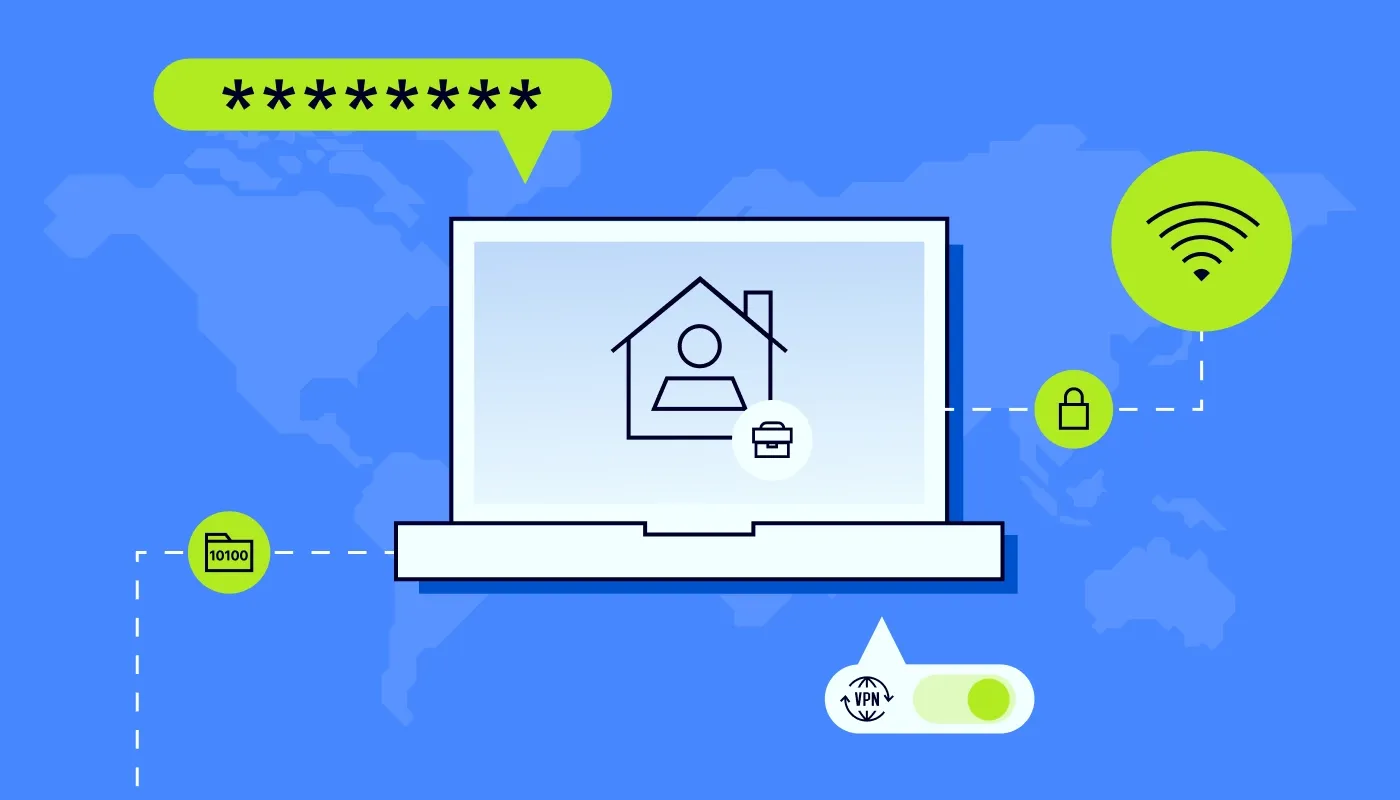
Discover why zero trust security is vital for remote teams. Learn how this approach protects against evolving cyber threats and secures remote work environments.
Introduction to Zero Trust Security
Remote work has become a standard practice for many organizations worldwide. With employees accessing company resources from various locations and devices, traditional security methods are no longer enough. Cyber threats are growing in number and sophistication, making it critical to rethink how we protect data and networks. This is where zero trust security comes into play. Zero trust is more than just a buzzword it’s a necessary shift in mindset for organizations that want to stay ahead of attackers. As remote work becomes more common, the limitations of perimeter-based security are clear. Companies must find new ways to protect sensitive information, no matter where it is accessed.
What Is Zero Trust and Why Is It Important?
Zero trust is a security model based on the principle of ‘never trust, always verify.’ Instead of assuming that users or devices within a network are safe, zero trust requires constant verification of every access request. This approach is especially important for remote teams, who often connect from outside the company’s secure perimeter. Learn more about zero trust network access for remote workers and how it protects distributed workforces.
The move to zero trust helps organizations adapt to the reality that threats can come from both inside and outside the network. By treating every request as potentially risky, companies reduce the chances of a breach going undetected. This model also supports the growing need for secure, flexible access to cloud services and collaboration tools.
The Shift in Cyber Threats Facing Remote Teams
Remote teams face unique risks, such as unsecured Wi-Fi networks, personal devices, and phishing attacks. The shift to remote work has led to an increase in cyber incidents targeting endpoints and cloud services. The Cybersecurity & Infrastructure Security Agency (CISA) highlights the importance of zero trust as a defense against these modern threats
A zero trust approach helps reduce the attack surface and limits the impact of breaches. Attackers are constantly looking for new ways to exploit weaknesses in remote setups. Insecure home networks and unmanaged devices are easy targets. Zero trust addresses these risks by requiring strict verification and monitoring, making it harder for attackers to move around even if they break in. Organizations must recognize that relying on firewalls or VPNs alone is no longer enough.
How Zero Trust Works in a Remote Environment
In a remote setting, zero trust uses authentication, authorization, and continuous monitoring to secure access. Every device and user must prove their identity before gaining access to data or systems. This process relies on multi-factor authentication, device checks, and strict access controls. According to the National Institute of Standards and Technology (NIST), zero trust architecture can help organizations manage risks associated with remote work.
Zero trust also involves segmenting networks and limiting user permissions. This means that even if a hacker gains access to one part of the network, they cannot easily move to other sensitive areas. Remote teams benefit from this approach because it provides security without blocking productivity. Employees can work from anywhere, but only with the right level of access and constant verification.
Benefits of Zero Trust for Remote Teams
Zero-trust security offers several key benefits for remote teams. It reduces the risk of unauthorized access, even if a device or account is compromised. It also limits attackers’ movement within a network by enforcing strict access rules. This approach helps organizations meet compliance requirements and build trust with clients and partners. According to industry experts, adopting zero trust can improve overall resilience against cyber threats.
Zero trust also increases visibility into user activities. Security teams can track who is accessing what resources and when, making it easier to spot unusual behavior. This transparency is vital for detecting insider threats and responding quickly to incidents. In addition, zero trust supports a hybrid work model. Employees can move between home, office, and other locations without weakening security. This flexibility is important for attracting and retaining talent in a competitive job market.
Real-World Examples of Zero Trust in Action
Many organizations have already seen the benefits of adopting zero trust. For example, educational institutions have used zero trust to protect sensitive student and research data while enabling remote learning. Government agencies are also moving toward zero trust models to secure their critical infrastructure. According to a report by the U.S. Government Accountability Office, federal agencies are working on zero trust strategies to address the challenges of remote work and increased cyber threats.
In the private sector, companies in finance and healthcare are using zero trust to comply with strict regulations and protect customer information. These examples show that zero trust is not just a theory, it is being put into practice across different industries. As a result, organizations can continue their operations securely, even when employees are working from various locations around the world.
Steps to Implement Zero Trust for Remote Workers
To adopt zero trust, organizations should start by identifying critical assets and users. Next, set up strong authentication and access controls for all remote connections. Continuous monitoring and regular audits are essential to detect suspicious activity. Training employees on security best practices also plays a vital role in maintaining a secure remote work environment.
Companies should consider using security solutions that can easily integrate with existing systems. Automated tools can help enforce policies and respond to threats in real time. It is also important to regularly review and update access permissions, especially as employees change roles or leave the organization. By following these steps, organizations can create a strong foundation for zero trust and adapt to future security needs.
Challenges and Solutions in Zero Trust Adoption
Implementing zero trust can be challenging, especially for organizations with legacy systems or limited IT resources. Some may face resistance to changing established processes. Clear communication and phased implementation can help address these challenges. Using cloud-based solutions and automated tools can also support a smoother transition to zero trust. Another challenge is balancing security with user experience.
Too many security checks can frustrate employees and slow down work. Organizations should aim for a user-friendly approach by using adaptive authentication, which adjusts security measures based on risk. Regular feedback from users can help improve the process. Finally, leadership support is essential. When leaders champion zero trust, teams are more likely to embrace the changes and follow best practices. For more insights on navigating the path of Zero Trust, refer to the guidance provided by the SANS Institute.
The Future of Remote Work Security
As remote work continues to grow, zero trust will become a standard security practice. Organizations that adopt this model will be better prepared to face evolving threats. Regular review and updates to security policies will ensure ongoing protection for remote teams. Advances in technology, such as artificial intelligence and automation, are making it easier to implement and manage zero trust.
These tools can help detect threats faster and reduce the burden on IT teams. As more companies move to cloud-based services, zero trust provides a way to secure data and applications across different environments. The future of remote work depends on strong, flexible security strategies. By embracing zero trust, organizations can support their teams wherever they are and build a safer digital world.
Conclusion
Zero trust security is essential for protecting remote teams in today’s digital world. By continuously verifying users and devices, organizations can reduce risks and secure valuable assets. Adopting a zero trust approach now will prepare businesses for the challenges of tomorrow’s remote work landscape.
FAQ
What does zero trust mean in cybersecurity?
Zero trust is a security model that requires verification of all users and devices before granting access to resources, regardless of their location.
Why is zero trust important for remote teams?
Remote teams often work from different locations and devices, making traditional security less effective. Zero trust helps protect against unauthorized access and cyber threats.
How does zero trust improve security?
Zero trust limits access to only what is necessary and uses constant verification, reducing the risk of breaches and unauthorized movement within the network.
Is zero trust difficult to implement?
Implementation can be challenging, especially for organizations with older systems, but phased adoption and strong leadership can help make the process smoother.
Can zero trust help with compliance?
Yes, zero trust can support compliance by enforcing strict access controls and monitoring, which are often required by regulations.