It is 9:03am, the laptop is open on the kitchen table, and there is a half-drunk coffee from yesterday still sitting by the fruit bowl. Nobody plans to work like this. It just happens, one rushed morning at a time, until the kitchen table becomes the office and the office never quite becomes a proper place to focus. Three years into widespread home working, plenty of people are still doing their best thinking from a dining chair that was never built for more than a roast dinner.
The furniture in a home office is not decoration. It is the difference between a morning that flows and a morning spent shifting in a seat that has gone numb by 11am. Getting the setup right is one of the simplest, most controllable ways to push productivity in the right direction, and it starts with looking honestly at what the space is currently doing to the person using it.
Why working from home quietly breeds complacency
Working from home removes a lot of the structure that used to do the motivating for us. There is no commute to mark the start of the day, no colleague walking past the desk, no manager’s office visible across the floor. Without those small social pressures, it becomes remarkably easy to slide into complacency: staying in yesterday’s hoodie, working from the sofa “just for an hour”, letting a to-do list quietly roll over into tomorrow.
None of this happens because people become lazier at home. It happens because the environment stops sending cues that it is time to work. A kitchen table doubles as a dinner table an hour later. A laptop on a lap invites a slouch and a scroll. Without a dedicated, properly furnished space, the boundary between “working” and “just sort of being at home” disappears, and motivation drains away with it.
The chair that changes the whole day
This is where ergonomic office chairs earn their keep. A chair that supports the lower back, adjusts to the right height, and lets the shoulders sit relaxed rather than hunched does more than prevent aches. It changes posture, which changes energy levels, which changes how long a person can stay properly focused before needing a break.
Compare that to hours spent on a dining chair or a sofa cushion, where the body is quietly working against itself the whole time. Discomfort is distracting in a way that is easy to underestimate. Fidgeting, shifting position, standing up to stretch out a stiff back, these are all small interruptions that chip away at concentration. Investing in one of the better ergonomic office chairs on the market is, in a very real sense, investing in fewer distractions and more finished tasks.
Storage, lockers and the psychology of a tidy desk
A cluttered desk sends the same message as an untidy environment anywhere else: nothing here is under control. Papers, cables, chargers and half-opened post pile up fast, and the resulting mess makes it harder to sit down and simply start.
This is where proper storage, including lockers, becomes more useful than people expect. Lockers give sensitive documents and shared equipment a fixed, secure home, which matters in households where a desk might be shared or where confidential client work needs to stay out of reach of children or visitors. A compact, lockable unit tucked beside a desk keeps paperwork contained without eating up the room, and it removes one more decision from the morning: everything already has a place.
The psychological effect matters as much as the practical one. A tidy desk, backed by sensible storage, tells the brain that the space is set up for focused work rather than general household chaos. That small signal is often enough to get a slow morning moving.
Building a workspace that motivates rather than drains
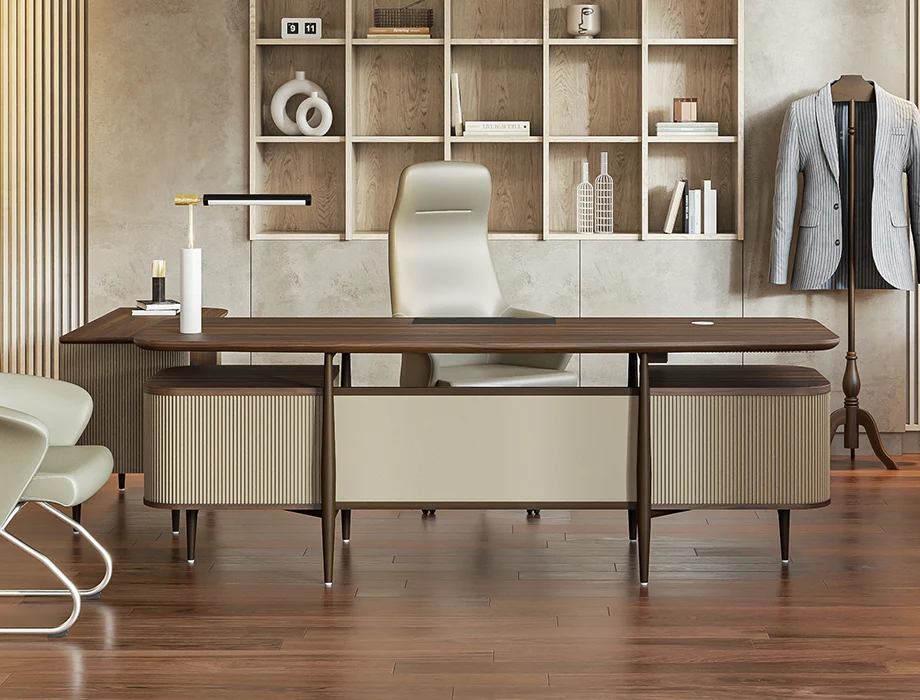
The most productive home offices tend to share a few things in common: a comfortable, supportive chair, sensible storage that keeps clutter out of sight, decent lighting, and a clear separation from the parts of the home built for relaxing. None of this needs to be expensive or elaborate. It needs to be intentional.
A good starting point is picking one upgrade and making it properly. Swap the dining chair for one of the better ergonomic office chairs available, and notice how much easier the afternoon slump becomes to push through. Add a set of lockers or a lockable drawer unit, and notice how much faster the morning start-up routine becomes once there is nothing to tidy first.
Working from home does not have to mean working against the odds. With the right furniture doing some of the motivational heavy lifting, a home office can become a space that genuinely supports a productive day, rather than one that has to be fought against every single morning.
Futuresbytes.co.uk