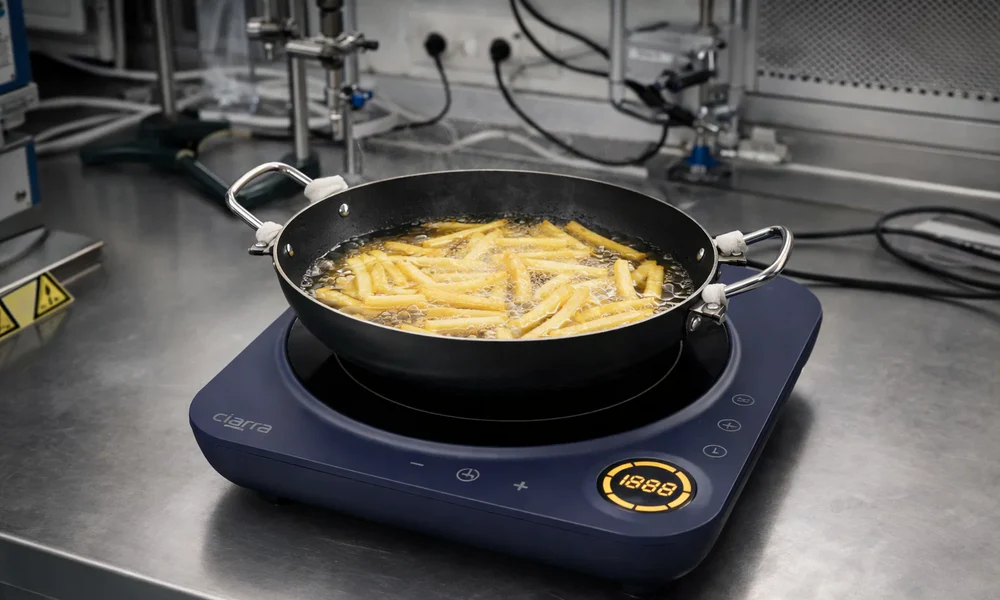
Many people look for a best induction hob when they want faster cooking, lower energy use, and easier cleanup in the kitchen. Induction hobs heat cookware directly through a magnetic field, which makes them different from gas or traditional electric models. This technology delivers quick results while keeping the cooking surface mostly cool.
How Induction Hobs Work
An induction hob sits under a glass-ceramic surface. Copper coils below the surface carry alternating current that creates a magnetic field. When you place a compatible pan on the surface, the field induces currents in the pan’s base. These currents produce heat directly in the pan.
The hob surface itself does not get hot like a gas flame or electric coil. It warms only from contact with the hot pan. This setup leads to high energy efficiency because almost all the power goes into the food instead of heating the air or the hob. Most models reach high temperatures fast and cool down quickly when you lower the setting.
Modern induction hobs include sensors that detect pans and shut off automatically if none are present. Many also have timers, child locks, and power boost functions for extra speed when needed.
Key Benefits of Induction Hobs
Best induction hob stand out for several reasons that matter in daily cooking.
- Speed: They boil water noticeably faster than gas or radiant electric hobs. Tests show they can bring a pot to a rolling boil in a few minutes, often saving several minutes per meal.
- Energy efficiency: Up to 85-90% of the energy transfers directly to the pan. This compares to lower rates for gas (around 40%) and standard electric hobs. Lower waste means smaller electricity bills over time.
- Safety: The surface stays cooler, which reduces burn risks. Pan detection prevents the hob from running empty. Many models include automatic shut-off and child safety locks.
- Easy cleaning: Spills do not bake onto a hot surface. A quick wipe with a damp cloth usually removes residue because the hob does not get as hot overall.
- Precise control: You can adjust power in small steps and maintain steady low temperatures for simmering or melting. This helps with delicate tasks like sauces or chocolate without scorching.
- Cooler kitchen: Less wasted heat keeps the room more comfortable, especially useful in warm weather or small spaces.
These advantages make induction a strong choice for busy households, families with children, or anyone who values consistency in cooking.
Common Challenges and How to Address Them
No appliance is perfect. Here are typical points to consider with induction hobs.
Compatible cookware is required. The pan base must contain enough iron or magnetic material. A simple test works: if a magnet sticks firmly to the bottom, the pan will usually perform well. Many stainless steel, cast iron, and carbon steel pans work. Non-compatible pans simply will not heat.
Initial cost tends to be higher than basic gas or electric models. However, energy savings and durability can balance this over years of use. Some portable options from brands like Ciarra Gadgets provide a more affordable entry point while delivering solid performance.
Noise can occur. A faint hum or fan sound comes from the internal components, especially at higher power levels. This is normal and usually not loud enough to disturb normal conversation.
Learning curve exists for some users. Power levels replace flame size, so it takes a short time to get used to the settings. Most people adjust quickly after a few uses.
Power supply matters for built-in models. They often need a dedicated 240V circuit, which may require professional installation in older homes.
These challenges are manageable with the right preparation. For example, checking cookware compatibility before purchase avoids disappointment.
Trends in Induction Hob Design
The market for induction hobs continues to develop. Flexible cooking zones let you combine areas for larger pans or multiple smaller ones. Touch controls and digital displays have become standard, offering clear feedback.
Portable induction hobs gain popularity for their convenience. They plug into standard outlets and move easily for extra cooking space, outdoor use, or travel. Models with timers, temperature ranges, and safety features suit apartments or occasional needs.
Energy efficiency remains a focus. Many new units meet high standards and work well with renewable electricity sources. Some include smart features like app connectivity for remote monitoring, though basic models with straightforward controls still perform very well for most cooks.
Built-in models with bridging zones and boost functions address demands for power and flexibility in family kitchens. Overall, the trend points toward quieter operation, better sensors, and surfaces that resist scratches and marks.
Buying Guide: What to Look For in the Best Induction Hob
Choosing the right model depends on your kitchen and cooking habits. Consider these factors.
Size and zones: 60cm or 80cm widths are common for built-in units. Four or more zones provide room for multiple pans. Portable single-burner units work well as supplements.
Power and levels: Look for at least 1500-2000W on portable models and strong boost settings. More power levels (8 or higher) give better control.
Safety and features: Pan detection, residual heat indicators, child locks, and auto shut-off add peace of mind. Timers help prevent overcooking.
Build and ease of use: A smooth glass surface cleans easily. Clear controls and stable design matter for daily handling.
Energy use and noise: Efficient models draw power only when needed. Check reviews for fan noise levels.
Warranty and support: Reliable brands stand behind their products with good service.
For a portable option that balances performance and convenience, check what Ciarra Gadgets offers in their range of induction solutions.
Portable vs Built-In Induction Hobs
Built-in hobs integrate into countertops for a clean, permanent setup. They suit larger kitchens with dedicated cooking areas and often include advanced features like flexible zones.
Portable induction hobs offer flexibility. You can store them when not in use, take them outdoors, or add cooking capacity during busy times. They work on standard outlets and many include timers and temperature settings for precise results.
A portable model makes a practical starting point or addition. It lets you test induction cooking without major kitchen changes. Ciarra Gadgets provides portable units designed for real-world use, with attention to speed, even heating, and safety.
Maintenance and Care Tips
Proper care keeps an induction hob performing well for years.
- Wipe the surface after each use with a damp cloth. Avoid abrasive cleaners that could scratch the glass.
- Use cookware with flat, clean bases for best contact and efficiency.
- Allow the hob to cool before cleaning to prevent streaks.
- Check vents for dust if the model has a cooling fan.
- Follow manufacturer guidelines for any specific cleaning products.
These simple steps maintain appearance and function without much effort.
Final Thoughts
A good induction hob delivers speed, control, safety, and efficiency that improve daily cooking. It reduces energy waste and simplifies cleanup compared to older technologies. Whether you choose a built-in model for your main kitchen or a portable one for added versatility, focus on features that match how you cook.
Ciarra Gadgets stands as a practical option for those seeking reliable performance in the best induction hob category. Their attention to testing and user needs results in models suited for everyday meals