The first day in a food production environment rarely goes smoothly. A new employee sees dozens of processes at once: conveyor belts, sanitary areas, safety instructions, and tries to remember everything at once.
That’s why many companies are increasingly offering future employees courses in food technology before their shift. This helps relieve the stress of the first few weeks and avoid common mistakes that arise not from inattention, but from a simple lack of familiarity with the processes.
The Role of Hygiene in Safe Food Production
Food production is a system with clear rules. Any deviation affects not only product quality but also human safety. A new employee who arrives without basic knowledge spends the first few weeks simply understanding the logic of the processes. During this time, the risk of errors increases, and with it, the workload of the team and shift supervisor.
Hygiene on a farm or production line is not a formality. This is a practical tool. It protects animals, the product, and the employee.
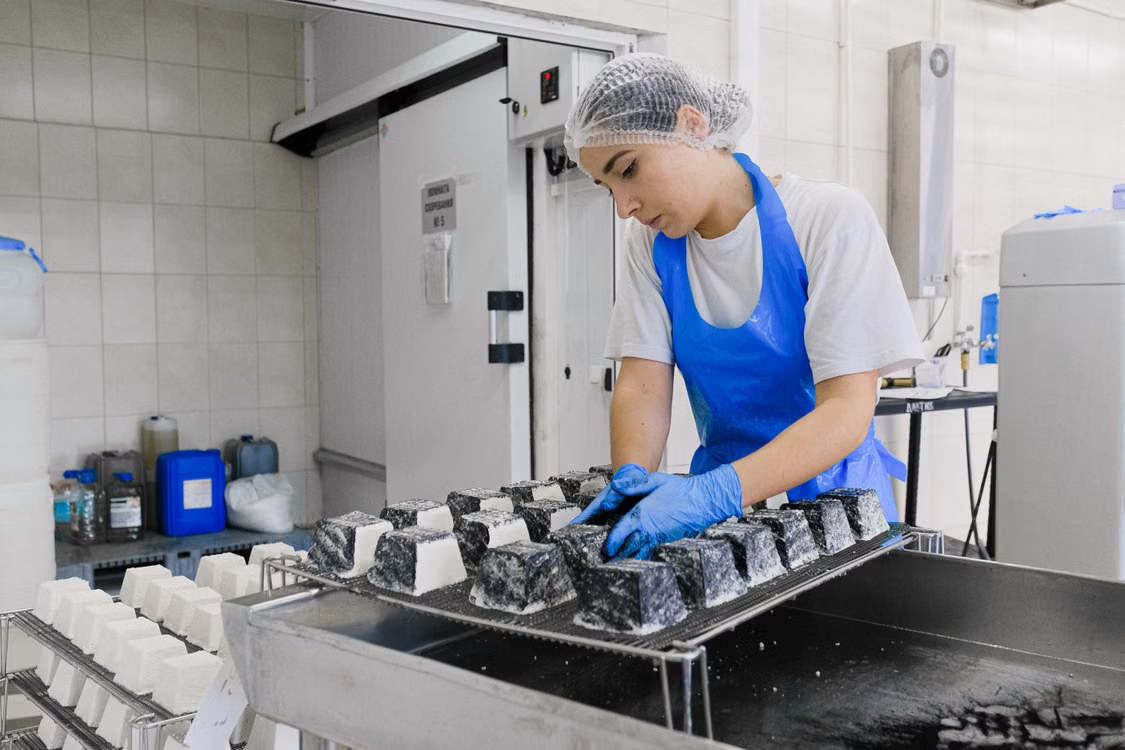
Basic biosafety principles help us understand where contamination risks come from and why even minor violations have consequences. Understanding the logic behind these rules, rather than simply memorising them, makes us less likely to make mistakes in real-world situations.
What an Employee Should Know Before Their First Shift
There are several basic topics without which it’s difficult to start working confidently. These typically include:
- personal hygiene rules in the workplace;
- procedures for using protective clothing;
- fundamentals of biosafety on a farm;
- responding to non-standard situations;
- principles of product quality control;
- basic documentation requirements;
- rules for safe animal handling.
These points seem simple. However, they are precisely what builds work discipline. When a person is familiar with them in advance, adaptation occurs more quickly. In this case, even the shift itself ceases to be a source of anxiety.
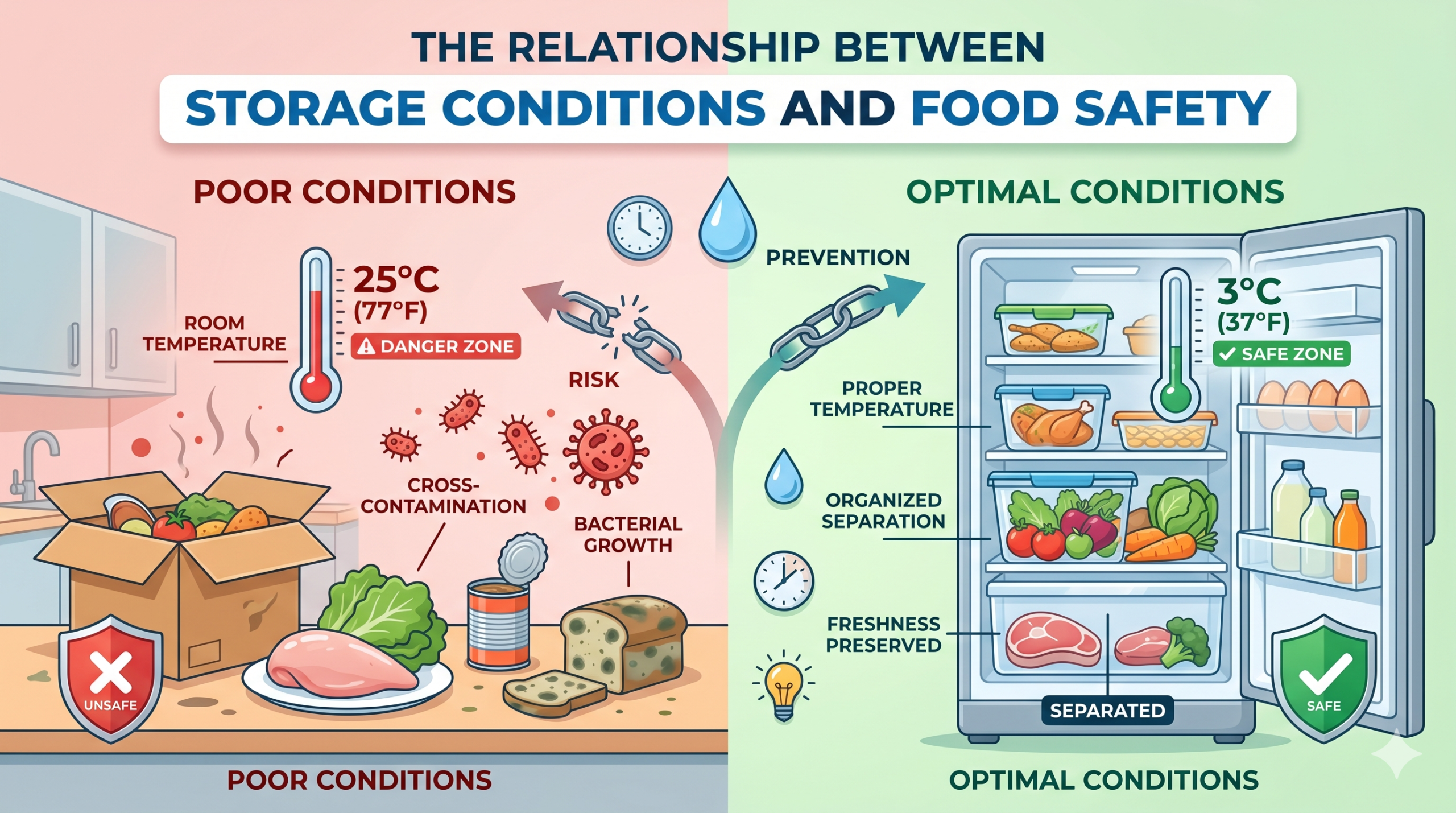
Quality control is often perceived as a separate step at the end of the process. In reality, it involves constant attention at every step: from storage conditions to temperature control. An employee who understands this logic early is less likely to create situations that others later have to correct.
How Preliminary Preparation Changes the First Weeks
Pre-start training is no substitute for experience. However, it significantly facilitates entry into the profession. This is precisely the basis of the Bixter Academy approach. The program prepares candidates for real food production processes, drawing on Danish farm practices and professional veterinary expertise.
This format is suitable not only for new candidates; it significantly facilitates the work of existing employees who need to update and standardise their knowledge within the team.
It’s important to be honest here: the course does not guarantee employment. The final decision always depends on the selection process and the employer’s internal procedures. But it makes the candidate more prepared and confident even before their first shift.
The first weeks on the job are a period that shapes habits for years to come. The sooner a person understands basic processes, hygiene, and the logic of quality control, the smoother the onboarding process. Preliminary training doesn’t solve everything, but it removes a significant amount of uncertainty — and that’s a significant factor when starting in a new profession.