Daily routines have become far more active over the past few years, from home workouts to weekend sports and regular outdoor activity. Eyewear rarely gets much thought until it starts getting in the way, usually mid-workout or halfway through a match. Here is a closer look at why an active lifestyle is worth a second thought when it comes to eyewear choice.
The Shift Toward More Active Daily Routines
Fitness Has Moved Beyond the Gym
Home workouts, outdoor training, and weekend sports have become part of everyday routines for a lot more people than in previous years. This shift means eyewear now has to keep up with a much wider range of activity than it once did, rather than sitting still at a desk for most of the day.
Why Eyewear Rarely Gets a Second Thought
Glasses are usually chosen for daily use without much consideration for how they hold up during activity, since most of the time they simply need to sit comfortably and correct vision. This becomes a problem only once exercise or sport enters the picture on a regular basis, at which point the same pair that works fine for a desk job starts causing real frustration.
The Range of Activities That Put Eyewear to the Test
Everything from a casual jog to a full contact sport places different demands on eyewear. A single pair of glasses rarely suits every type of activity someone takes part in, which becomes obvious fairly quickly once a routine expands beyond one or two activities.
Where Glasses Fall Short During Activity
Fogging and Slipping Mid-Workout
Lenses fogging up during intense exercise or a sweaty workout ranks among the most common frustrations for anyone wearing glasses during activity. Glasses slipping down the nose during movement, especially during cardio or fast-paced sport, adds another layer of annoyance that rarely goes away no matter how well a pair fits at rest.
Limited Peripheral Vision During Sport
Frames restrict the field of vision in a way that matters far more during fast-paced activity than during everyday tasks. This becomes especially noticeable in sports that involve quick head movement or fast reaction time, where a restricted side view can mean missing something important.
Practical Issues Beyond Comfort
Glasses run a real risk of breaking or getting damaged during contact sports or rougher outdoor activity, which adds an ongoing cost concern on top of the comfort issue. Extra weight and pressure points also become more noticeable during longer training sessions, even for glasses that feel fine during short, everyday wear.
Compatibility With Safety Gear
Helmets, goggles, and other protective equipment do not always sit well with a pair of glasses underneath or around them. This becomes a bigger issue in sports like cycling, skiing, or water-based activities, where safety gear is non-negotiable and glasses often end up squeezed, fogged, or knocked out of place as a result.
What People Switch to Instead
Contact Lenses as a Practical Alternative
Contact lenses offer a full field of vision without frames getting in the way during movement, removing much of the friction glasses introduce during activity. There is no risk of fogging, slipping, or breakage during a workout or outdoor session, since there is no frame present to cause any of those problems in the first place.
Matching Lens Type to Activity Level
Daily options built around a comfortable contact lens work well for occasional sport or workout days, since a fresh pair each time removes any need for ongoing care between sessions. Other lens options suit more frequent or intense activity better, depending on how often someone trains or plays sport throughout the week.
Making the Switch Without Overcomplicating It
A gradual transition tends to work better than a full switch away from glasses for everyday use. Plenty of people use contact lenses specifically for activity while keeping glasses for other parts of the day, which avoids the need to commit to one option across the board right away.
Other Eyewear Considerations for an Active Routine
UV Protection for Outdoor Activity
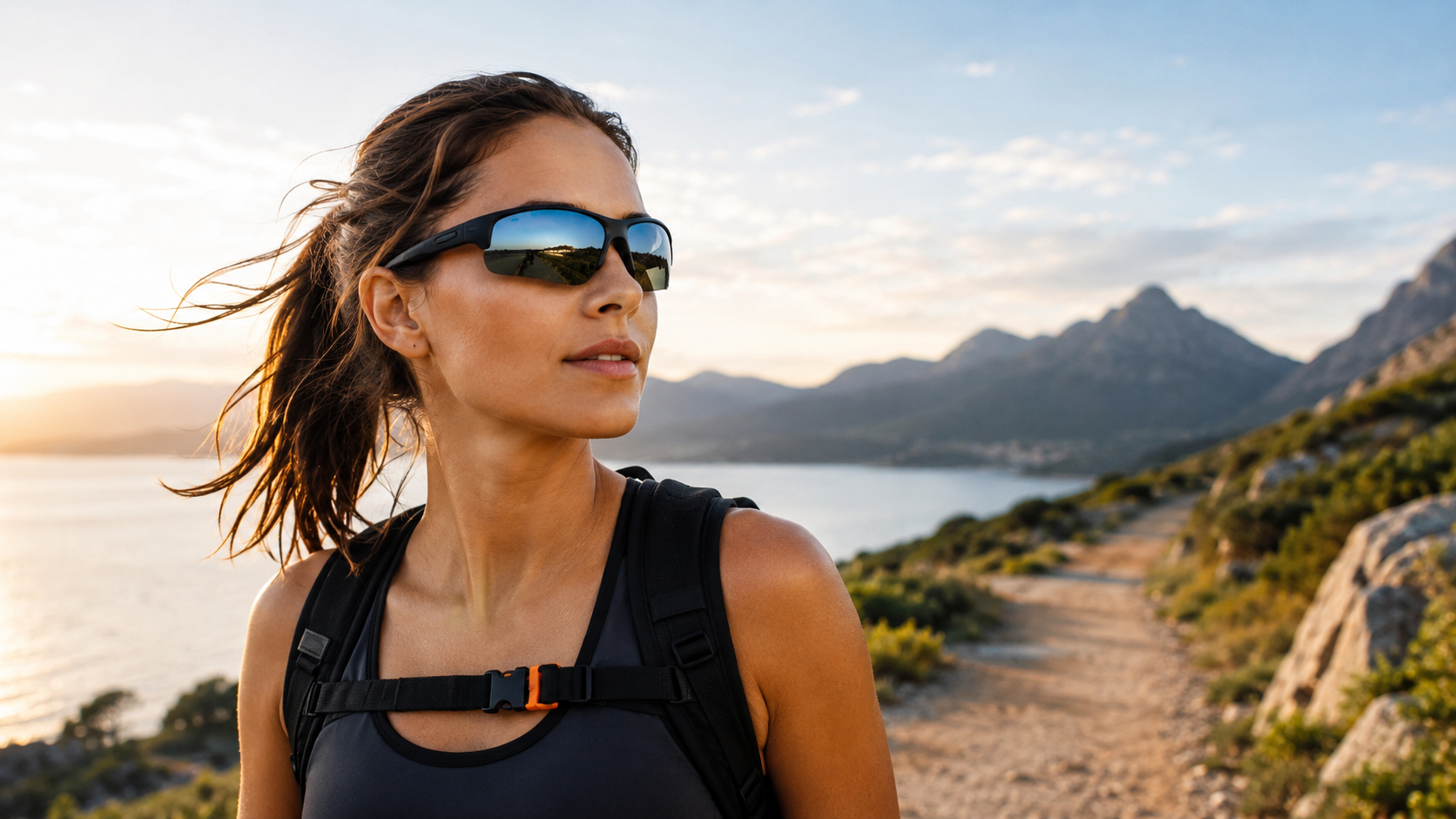
Sunglasses or other UV-protective options matter for anyone training or playing sport outdoors on a regular basis, given the cumulative effect of sun exposure over time. Pairing sunglasses with contact lenses, rather than prescription glasses, makes for a simpler outdoor setup, since sunglasses can be swapped in and out without needing a prescription version.
Weather and Seasonal Factors
Different weather conditions affect eyewear comfort during activity in ways that are easy to overlook. Bright summer sun brings its own challenges, while cold, windy days can cause different discomfort altogether. Adjusting eyewear choices based on the season, rather than sticking with one setup year-round, tends to suit an active routine better over the long run.
Comfort During Long Sessions
Comfort becomes more important the longer an activity lasts, whether that means a long run, a hike, or a full training session. Small adjustments, such as a change in lens type or a better overall fit, make a noticeable difference once a session stretches well beyond a quick, casual workout.
Common Concerns About Switching to Contact Lenses for Sport
Is It Safe to Wear Contacts During Intense Exercise?
Hesitation around lens safety during heavy sweating or high-intensity movement is a common concern, though proper lens care and hygiene cover most of what matters here. Clean hands before insertion and removal, along with sticking to the recommended wear schedule, address the bulk of the concern for most active lens wearers.
Cost and Convenience Compared to Glasses
A practical look at ongoing cost compared to the convenience gained during activity often favors contact lenses once the frustration of glasses during sport is factored in. Many people find the trade-off worthwhile once they consider how many workout interruptions, fogged-up moments, and slipped frames a switch actually removes from a regular routine.
The Bottom Line
Eyewear is often the last thing considered when building an active routine, despite how much of a difference the right choice can make. A small switch, suited to the activity at hand, can remove a surprising amount of friction from staying active, whether that means a full change or simply keeping a different option on hand for workout days.