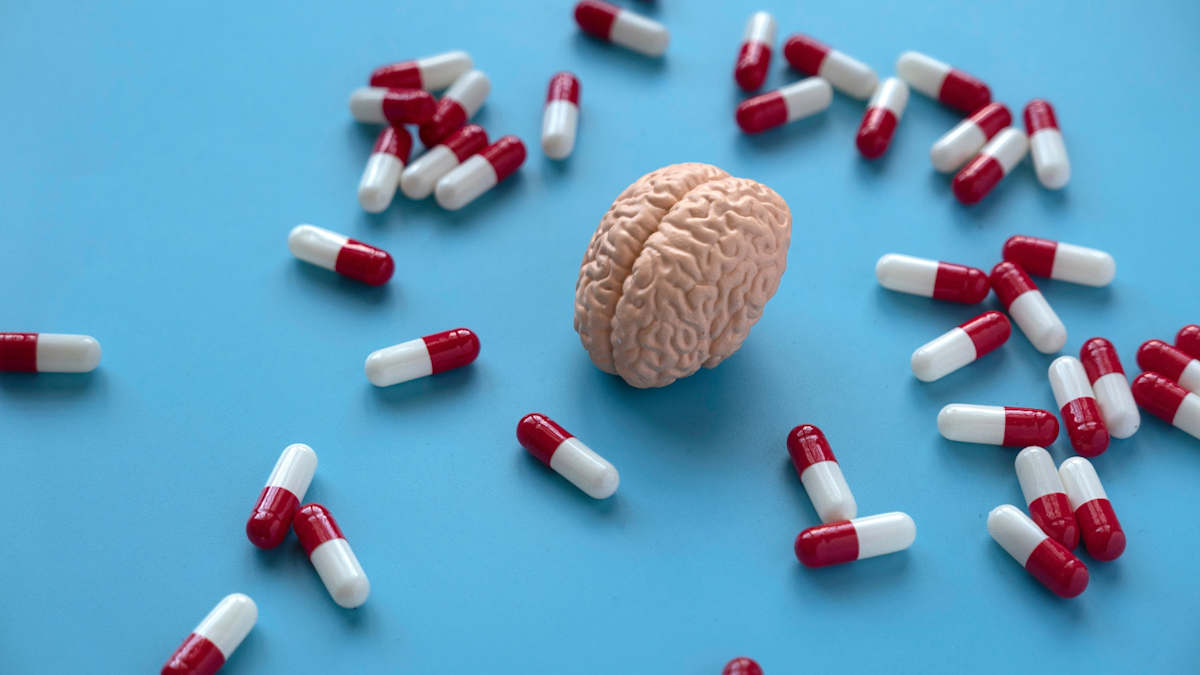
Interest in cognitive performance has grown alongside interest in mood support, and the two now overlap in ways that were rare a decade ago. Students take capsules before exams, and some people already managing low mood with prescribed medication start to wonder whether the same products could offer extra support alongside their treatment. That question deserves an evidence-based answer, since nootropics and antidepressants work through different biological routes even when both influence how a person feels from day to day.
What Nootropics Are Designed To Do
Nootropics cover a wide range of substances, from caffeine and L-theanine to more targeted compounds such as citicoline, and each one is marketed for a specific cognitive outcome. Manufacturers position these products as support for brain performance and not as treatment for a diagnosed condition, and this distinction matters because nootropics are sold as supplements and not as licensed medicines. Some people choose natural nootropics for a gentler approach, favouring plant-derived compounds over synthetic stimulants.
How Antidepressants Work On Mood
Antidepressants, by contrast, are prescribed medicines developed and tested to treat diagnosed mental health conditions such as depression and anxiety. Selective serotonin reuptake inhibitors, one of the most commonly prescribed classes, work by increasing the amount of serotonin available in the brain, and this change is linked to steadier mood regulation over several weeks of consistent use.
Other classes, including SNRIs and tricyclics, act on serotonin and noradrenaline through slightly different pathways, and every antidepressant is dosed and monitored by a prescriber because its effect on brain chemistry is measurable.
Nootropics And Antidepressants And The Interaction Risk
Whether you can take nootropics with antidepressants depends on which ingredients are involved and which antidepressant a person already takes, so this is not a question with one universal reply. Certain nootropics, particularly those containing 5-HTP, St John’s Wort extracts, or high-dose tryptophan, raise serotonin activity in much the same way antidepressants do, and combining them increases the risk of serotonin syndrome.
Health Education England notes that this reaction can present with agitation, a fast heart rate, and sweating, and symptoms can begin within hours and range from mild to severe. Because the interaction risk sits with the ingredient and not the product category, it is worth knowing which types of nootropics carry the greatest concern.
- Serotonergic nootropics, such as 5-HTP and St John’s Wort, can combine with SSRIs or SNRIs to push serotonin levels too high.
- Stimulant nootropics, including high-dose caffeine or synthetic stimulant blends, can add strain when paired with older antidepressant classes such as MAOIs.
- Sedating nootropics, such as ashwagandha or valerian, can deepen drowsiness when combined with antidepressants that already cause fatigue.
For anyone asking, “Can you take nootropics with antidepressants safely?” the answer usually comes down to checking each ingredient individually with a GP or pharmacist, and not assuming a supplement is automatically safe because it is sold over the counter.
Where Vitamin And Mineral Supplements Fit In
Not every supplement carries the same level of concern, and this is where the distinction between stimulant-style nootropics and everyday nutritional support becomes useful. Vitamin and mineral supplements, such as vitamin D, B12, and magnesium, do not act on serotonin pathways in the way serotonergic nootropics do, and deficiencies in several of these nutrients have been linked to low mood in existing research.
This does not mean every multivitamin is free of any interaction, since absorption and metabolism can still be affected in some cases, and a pharmacist review remains useful even for products that seem low risk.
Practical Considerations Before Combining Nootropics And Antidepressants
Before adding any new product to an existing prescription, a few practical steps reduce the chance of an unwanted reaction and keep a GP or pharmacist properly informed.
- List every current medication and supplement, including anything taken occasionally, before a GP or pharmacist appointment.
- Introduce one new product at a time, so any change in mood, energy, or sleep can be traced to a single cause.
- Ask specifically about serotonergic ingredients if already taking an SSRI, SNRI, or MAOI, since this is where the most serious risk sits.
- Report any unusual symptoms promptly instead of waiting to see if they pass on their own.
These steps do not remove all risk, but they lower it considerably, and they keep the person prescribing the antidepressant aware of everything else the body is processing at the same time.
Nootropics and antidepressants can occupy the same daily schedule for some people, provided the combination has been checked ingredient by ingredient and not assumed safe as a category.
The science shows that both can influence mood, yet they do so through different mechanisms, at different levels of regulation, and with different consequences when combined carelessly. A GP or pharmacist remains the most reliable source for anyone weighing up a nootropic alongside a prescribed antidepressant, and that single check-in with a qualified professional does more to protect wellbeing than any label on a supplement bottle ever could.
READ ALSO: Kitchen Chemicals Still Etch Copper Boards