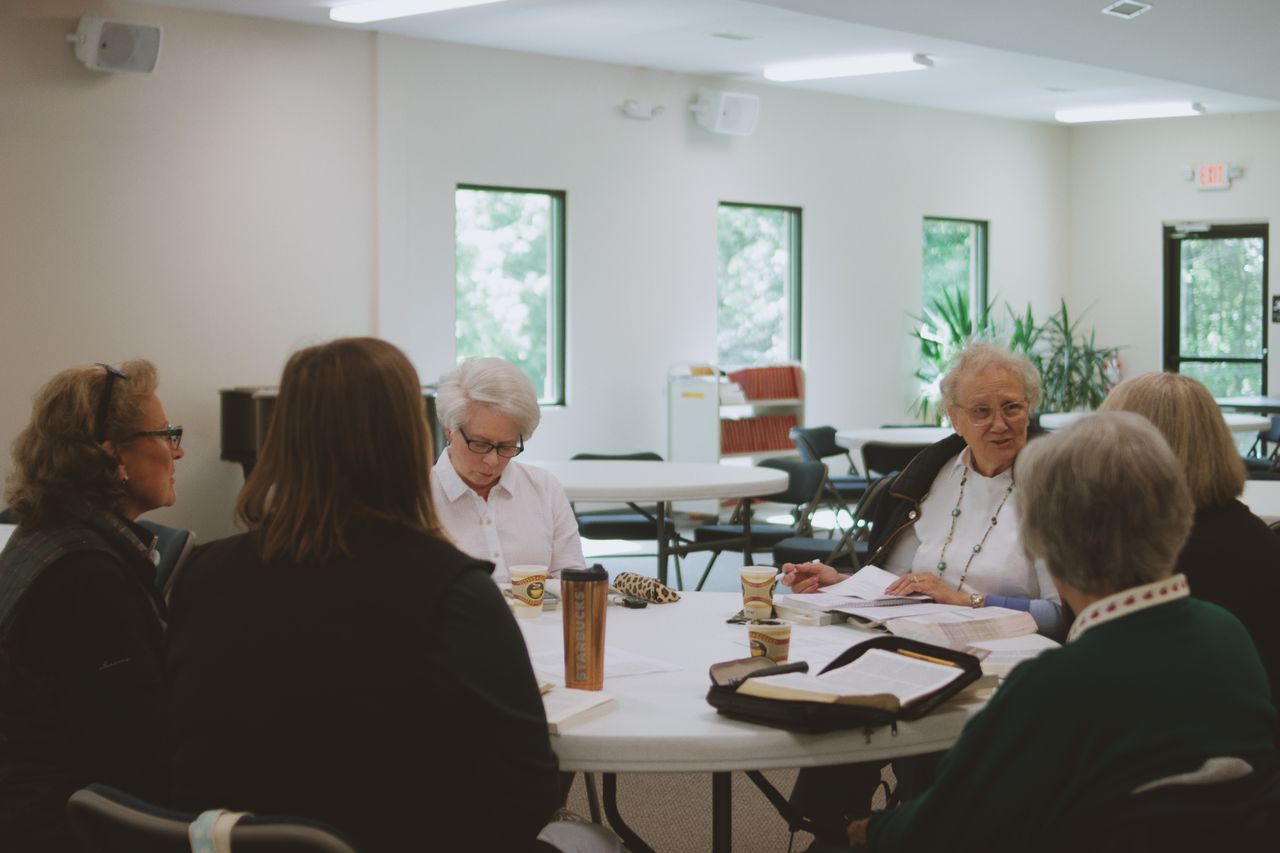
What happens when older adults feel genuinely connected to their communities and relationships? Research and everyday experience consistently show that meaningful social interaction can have a positive impact on health, happiness, and overall quality of life. Social engagement is not simply a recreational benefit for seniors. It is an important part of healthy aging that supports emotional well-being, cognitive function, and a sense of purpose. As older adults remain engaged with others, they often experience greater fulfillment and stronger overall wellness.
Building Stronger Mental Health Through Connection
Loneliness and social isolation can affect many aging adults, particularly following retirement, the loss of loved ones, or changes in family circumstances. Maintaining meaningful relationships can help support emotional well-being and encourage a more positive outlook on life.
Participating in discussion groups, book clubs, social gatherings, and community programs also provides valuable cognitive stimulation. Conversations require attention, memory, and active participation, helping keep the mind engaged and involved.
Older adults who feel connected to others often experience greater confidence, stronger self-esteem, and a greater sense of belonging. These positive experiences can encourage participation in additional programs and opportunities that enhance overall quality of life.
Physical Health Benefits and Wellness Support
Social engagement and physical wellness are often closely connected. Older adults who participate in community programs and social events may have more opportunities to remain physically active through walking groups, fitness classes, outdoor gatherings, and recreational programs.
Participating in activities with others can provide motivation and encouragement, making it easier to maintain healthy habits. Many people find that they are more likely to participate consistently when activities also provide opportunities for social interaction.
In addition, strong social networks can provide support and encouragement regarding wellness goals, medical appointments, and healthy daily routines. The combination of social connection and healthy habits can contribute to overall well-being and quality of life.
Creating Purpose and Meaning in Later Years
Life transitions can sometimes leave older adults searching for new sources of purpose. Social engagement helps address this need by creating opportunities to contribute, connect, and remain involved in meaningful experiences.
Volunteer work, community involvement, mentoring, and participation in clubs or organizations all provide opportunities to share knowledge, experiences, and talents. Many older adults find satisfaction in contributing to causes that matter to them while building relationships with others who share similar interests.
For seniors seeking a lifestyle that encourages connection and engagement, TerraBella Hillsborough offers assisted living residents structured programs designed to promote meaningful relationships, social participation, and daily engagement. These opportunities can help residents maintain a strong sense of purpose while remaining connected to their community.
Having meaningful experiences to anticipate throughout the week can create a greater sense of fulfillment and enjoyment in everyday life.
Strengthening Family Bonds and Intergenerational Connections
Maintaining strong relationships with family members remains an important part of healthy aging. Regular communication with children, grandchildren, relatives, and close friends helps older adults stay connected and involved in the lives of loved ones.
Family gatherings, phone calls, video chats, shared meals, and special celebrations all create opportunities for meaningful interaction. These moments allow aging adults to share experiences, offer support, and continue playing an important role within the family.
Intergenerational relationships can be particularly rewarding. Time spent with younger family members often creates opportunities to share stories, traditions, wisdom, and life experiences, strengthening bonds across generations.
These relationships also provide emotional support and contribute to a stronger sense of belonging and connection.
Accessing Community Resources and Support Networks
Social engagement also helps older adults become more aware of community resources and opportunities that can enhance their quality of life. Through friendships, community programs, and social groups, seniors often learn about educational opportunities, wellness programs, volunteer projects, and local services.
Strong social networks can provide practical support during challenging times. Friends and community members may offer recommendations, share useful information, provide transportation assistance, or simply offer encouragement when needed.
These connections create an informal support system that helps older adults feel connected and supported rather than facing life’s challenges alone.
Conclusion
Social engagement is one of the most important factors supporting healthy and fulfilling aging. Meaningful connections can positively influence emotional well-being, physical health, cognitive engagement, and overall quality of life. Whether through family relationships, friendships, volunteer opportunities, community programs, or social events, staying connected helps older adults maintain a sense of purpose and belonging. By encouraging social engagement and creating opportunities for meaningful interaction, communities can help aging adults remain active, connected, and fulfilled throughout their later years.
READ ALSO: How Visiting National Parks Changed the Way I See Travel