Bridal jewellery should look beautiful and feel easy to wear. Many brides buy in a rush and regret later. Some pieces feel too heavy. Some do not match the blouse neckline. Some stay in the box after the wedding. A checklist fixes all of this. It helps you buy with calm and clarity.
This guide is a step-by-step list of pieces most Indian brides need. It also explains when to wear each piece and how to size it. You will learn how to avoid common mistakes. You will also learn how to build sets that work across events. Use this as your wedding jewellery map with Nemichand Bamalwa & Sons (J).
Start with your wedding plan first
Before you pick a necklace, note your full wedding schedule. List your main events and outfits. Note day or night, indoor or outdoor, and how heavy the dress work is. Jewellery should support the outfit, not fight it. One hero piece is enough for each look. Too many bold pieces can look crowded in photos.
Fix a budget range you can hold. Add a small buffer for resizing and fixes. Decide if you want mostly gold, diamond, polki, or a mix. Also decide which pieces must work after the wedding. This step saves money and prevents one-time buys.
Quick planning notes
- List events, outfits, and necklines first.
- Pick one hero piece for each function.
- Fix a budget range with a small buffer.
Engagement and ring ceremony pieces
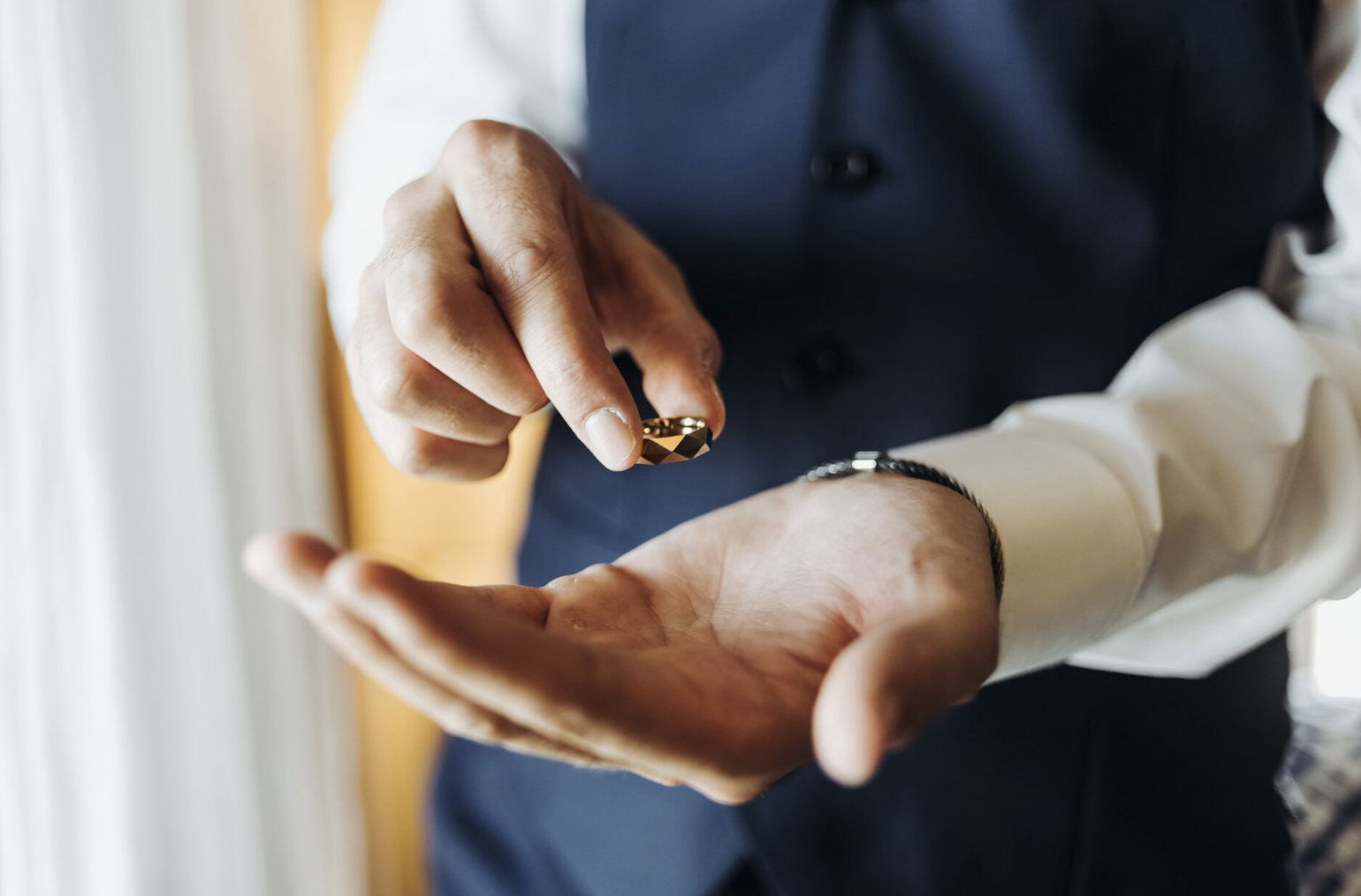
Most brides start with the ring. The ring should match your daily life. If you type a lot, choose a low setting. If you wear gloves often, avoid tall prongs. Check the ring in window light, not only store lights. A bright ring in normal light stays bright in photos.
Many brides also add a thin band for stacking. A slim band looks neat and feels light. You can wear it alone after the wedding too. If you plan two rings, try them together before you pay. Both should sit flat and feel smooth.
What to buy for this stage
- Engagement ring.
- One slim band for stacking or future wear.
The main wedding day set
This is the set that will appear in most key photos. It should match the wedding outfit and your face shape. Choose your necklace first, then match earrings to it. If the necklace is bold, keep earrings smaller. If earrings are grand, keep the necklace simpler. Balance is the goal.
For many Indian brides, the main set includes a necklace and earrings. Some brides add a second longer necklace too. If you layer, keep gaps between lengths so chains do not tangle. Make sure clasp points are strong. You will hug many people on the day.
Main set checklist
- One statement necklace or choker.
- Matching earrings.
- Optional long necklace for layering.
Maang tikka and head jewellery
A maang tikka lifts the full bridal look. It frames the face and sits well in close photos. Choose the size based on the event. Smaller pieces suit day rituals. Bigger pieces suit the main wedding entry. The chain should sit firm in the hairline. Add pins so it does not slip.
Some brides also wear a matha patti or head band style. These work best with simple necklaces and neat hair. If your veil is heavy, keep head jewellery lighter. Test your head jewellery with your hairstyle trial.
Head jewellery checklist
- Maang tikka.
- Optional matha patti for grand looks.
- Hair pins or clips for secure fit.
Nose ring or nath
A nath can change the full mood of the look. It adds a strong bridal touch. You can choose a small stud nath or a large ring nath. If you pick a ring nath, check comfort and breathing. The chain should not pull the hair. The hook should not pinch the skin.
If you are not used to wearing a nath, try it at home. Wear it for ten minutes and move your head. Speak and smile. Comfort matters more than size. For a calmer choice, go for a detachable option for photos only.
Nose jewellery checklist
- Small nath stud or ring nath.
- Optional chain support if needed.
Earrings for each function
Earrings are the first thing people notice in photos. They frame the face in every close shot. Most brides need at least two pairs. One lighter pair for day events. One bolder pair for night functions. If you have multiple outfits, add one more versatile pair.
Choose secure backs for long wear. Screw backs or tight push backs feel safer. Avoid very heavy pieces if your ears are not used to weight. You can also add soft pads behind the lobe for support.
Earring checklist
- Light studs or small jhumkas for day events.
- Statement earrings for the main function.
- One versatile pair for mixed outfits.
Necklaces for different necklines
Not every blouse neckline suits the same necklace. That is why brides often need two neck options. A choker for deep necklines. A longer necklace for higher necklines or layered looks. If your wedding blouse is high neck, skip the neck and focus on earrings.
Also check how the necklace sits when you move. Some pieces lift at the clasp or turn while you walk. Try the necklace with your blouse during the trial. This simple check saves stress later.
Necklace checklist
- Choker or collar for deep necklines.
- Mid or long necklace for higher necklines.
- Optional pendant chain for light events.
Bangles, kadas, and bracelets
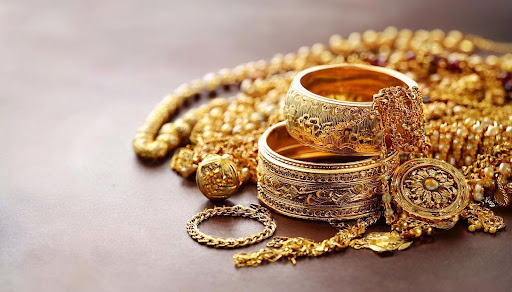
Hands stay in frame all day. You greet, hold, and pose. Bangles add sound and shine. Many brides wear a mix of bangles and kadas. If you plan heavy bangles, keep them for the main function only. For day events, lighter stacks feel better.
If you wear a watch daily, plan a bracelet that works with it later. A slim diamond line or a simple gold bracelet can shift to daily wear. Check bangle size on a warm day. Hands can swell during long events.
Wrist checklist
- Wedding day bangle stack or kadas.
- One light bracelet for day events.
- Optional daily wear bracelet for after wedding.
Rings
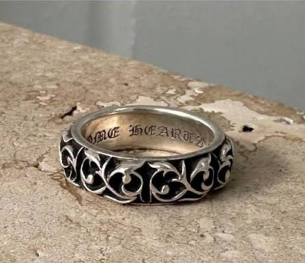
Many brides wear more than one ring for photos. A cocktail ring for sangeet or reception can look great. Keep it smooth so it does not snag outfits. Avoid tall settings if you dance a lot. One bold ring is enough. Let it stand out.
If you plan mehendi, rings will sit on top of it. Choose styles that do not hide the design. A slim band with a small stone works well. You can also choose a ring you can wear daily after the wedding.
Ring checklist
- One statement ring for evening looks.
- Optional slim ring for mehendi day.
Anklets and toe rings
Anklets add a soft detail many brides love. They also look great in barefoot rituals. Choose a pair that fits well and does not bite the skin. If your outfit has heavy borders, anklets still show when you walk. Toe rings are also common in many Indian customs. Make sure you know your tradition before you buy.
If you plan heels, choose anklets that do not catch. Keep the design smooth. For daily wear later, choose lighter anklets without sharp charms.
Feet jewellery checklist
- Anklets.
- Toe rings if part of your custom.
Waist belt or kamarbandh
A waist belt holds the saree drape and adds a bridal line. It looks strong in photos and helps define shape. Choose a belt with smooth backing so it does not scratch the blouse. Make sure it has an adjust option. The belt should follow your waist, not press into it.
If your outfit is already heavy, pick a simple belt. If the outfit is clean, you can choose a more detailed belt. Test it while sitting and bending. Comfort matters during long rituals.
Waist checklist
- Kamarbandh for saree or lehenga drape support.
- Safety pins for extra hold if needed.
Jewellery for pre-wedding events
Most Indian weddings include haldi, mehendi, and sangeet. Each event needs a different feel. Haldi suits light pieces that clean easily. Mehendi suits hand focus pieces like slim bracelets and rings. Sangeet suits bold earrings and a strong bracelet because you dance.
Do not wear your most expensive pieces for messy events. Choose plated or lighter gold for Haldi. Keep diamonds away from turmeric and oils. Save the premium set for the main day.
Pre-wedding checklist
- Light set for Haldi.
- Rings and light wrist pieces for mehendi.
- Statement earrings for sangeet.
Care, storage, and safety checklist
Jewellery needs care during the wedding week. Store each piece in a soft pouch. Keep sets in separate boxes so stones do not scratch. Do not leave jewellery in bathrooms where steam builds up. Keep bills and certificates safe. Save photos of each piece on your phone.
Get clasps and prongs checked before the wedding. A small loose prong can cause loss. Ask for a final clean one or two days before the main event. Nemichand Bamalwa & Sons (J) can help with checks, cleaning, and safe packing tips.
Care checklist
- Store each piece in its own pouch.
- Keep bills and papers in one safe folder.
- Get a final clasp and prong check before the day.
A simple buying order that reduces stress
Buy in the right order and you will save time. Start with the main wedding set. Then buy earrings and head jewellery. Next buy bangles and bracelets. Then pick add ons like waist belt and anklets. Finish with rings for other events. This order keeps the core look strong first.
Also plan one versatile set for smaller events. A small pendant with studs can cover many days. This reduces repeat buying. It also gives you pieces you will wear after the wedding.
Conclusion
The best bridal jewellery looks great, feels secure, and stays useful later. A checklist keeps you focused and saves money. Buy the main set first, then build around it. Match jewellery to necklines, hair, and event time. Choose comfort and secure clasps. Store well and check settings before the big day.
If you want help shortlisting pieces for your wedding looks, visit Nemichand Bamalwa & Sons (J) with your blouse swatches and event list. Our team will guide you through fit, styling, and care. You will leave with a bridal box that feels complete, personal, and ready for every ceremony.