Building a unified view of customer behavior is less a technical stunt than a strategic commitment. Companies that genuinely understand how prospects and buyers interact across touchpoints can tailor experiences that increase loyalty and reduce friction. A unified view transforms raw interactions into a narrative about each customer, revealing preferences, friction points, and triggers that move people toward purchase or churn. This narrative becomes the foundation for personalization, predictive modeling, and better business decisions.
Why a Unified View Matters
Customers no longer follow a single predictable path; they shift between mobile apps, websites, in-store visits, email, and social channels with little continuity. Without consolidation, teams work from fragmentary perspectives: marketing sees campaign clicks, customer service sees tickets, and product teams see usage metrics. That fractured visibility undermines coherent strategy and makes it hard to measure the true impact of initiatives. A unified view stitches those moments together into a timeline that shows intent, satisfaction, and lifetime value. When stakeholders have access to that timeline, they can coordinate campaigns, service interventions, and product changes that reflect what customers actually do rather than what each siloed system assumes.
Integrating Data Sources
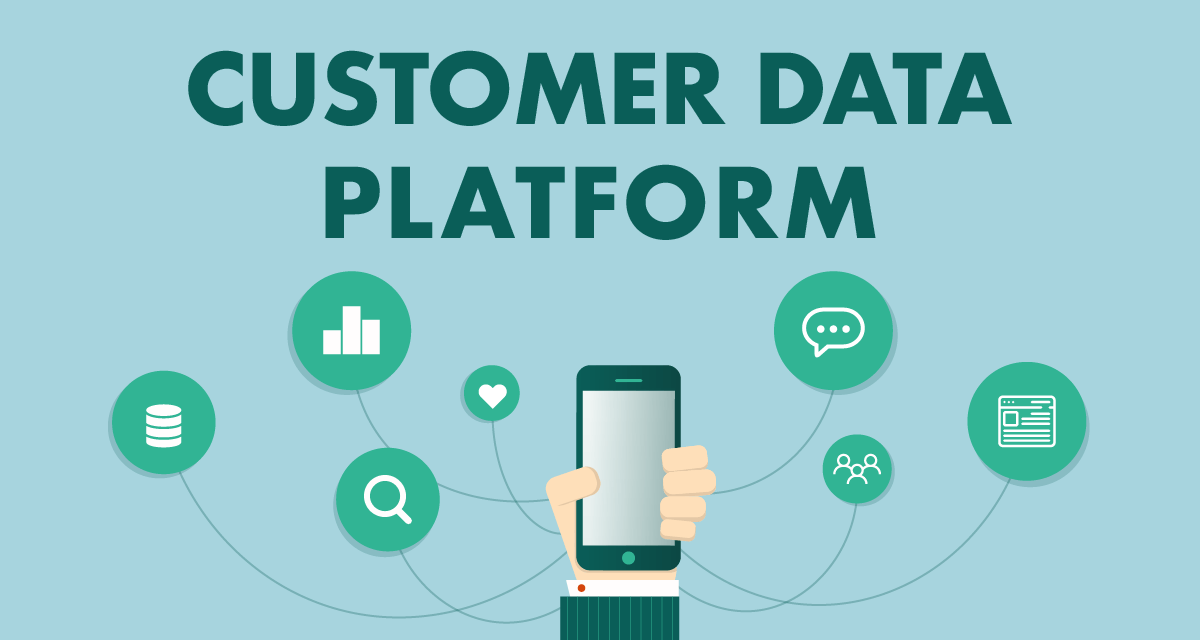
Creating that timeline requires integrating signals from many systems: web analytics, CRM records, transaction ledgers, email systems, mobile SDKs, and third-party enrichment services. Centralization is not about dumping everything into a data lake and hoping patterns emerge. It’s about choosing a central orchestration layer that can ingest, normalize, and expose data in consistent formats. A practical central layer supports both batch and real-time flows, resolves identity across devices, and preserves lineage so teams can trust the provenance of a given attribute. For many organizations, adopting a dedicated customer data platform becomes the pivot that enables scalable integration without sacrificing governance. The platform should make it straightforward to map source schemas to a canonical profile model and to route processed data to analytics, personalization engines, and reporting tools.
Identity Resolution and Customer Profiles
Identity resolution is the technical and conceptual glue of a unified view. It takes scattered identifiers — cookies, device IDs, email addresses, loyalty numbers — and binds them to persistent customer profiles. The process must balance deterministic matches with probabilistic inference, and it should allow human review for high-value accounts. Robust profiles capture not just demographic attributes but behavioral signals: frequency of visits, churn indicators, product affinity, and recent interactions. Enriching profiles with lifetime metrics, propensity scores, and segmentation tags turns raw identity into actionable priorities. When teams work from enriched profiles, they can trigger relevant nudges: retention offers for at-risk subscribers, onboarding sequences for new users, or cross-sell suggestions based on usage patterns.
Real-Time Behavior and Analytics
A unified view is most valuable when it supports timely decisions. Real-time or near-real-time ingestion and activation allow businesses to respond while intent is fresh. If a customer abandons a cart or encounters an error in a mobile app, an immediate intervention can salvage the session. Beyond tactical responses, streaming data enables more nuanced analytics, including sequence analysis and time-to-event modeling. These methods uncover which combinations of behavior predict conversion or churn, allowing marketers and product managers to design journeys that steer outcomes. Importantly, analytics should be accessible: dashboards and exploratory tools must let non-technical stakeholders interrogate patterns and validate hypotheses without long waits for engineering resources.
Governance, Privacy, and Data Quality
A unified view increases responsibility. As companies assemble more comprehensive portraits of individuals, they must commit to clear governance policies, consent management, and data minimization principles. Quality controls are equally critical: deduplication, timestamp reconciliation, and schema validation prevent misleading signals from shaping business actions. Transparent lineage and audit trails make it possible to answer questions such as where a profile attribute originated and when it was last verified. Privacy-by-design practices, including anonymization and purpose-based access, reduce exposure while preserving the analytical value of combined datasets. These practices build trust with customers and with internal teams that rely on the unified view for decision-making.
Organizational Alignment and Processes
Technology alone cannot generate value from unified customer views. Cross-functional alignment is essential so insights translate into coherent experiences. Marketing, sales, product, and support must agree on definitions — what constitutes an active user, a qualified lead, or a churn risk — and on the actions tied to those definitions. Operational playbooks should specify triggers, owner responsibilities, and escalation paths. Continuous feedback loops ensure that experiments inform the profile model and that model changes become operationally meaningful. Training programs that surface use cases and quick wins help teams adopt new workflows and maintain momentum.
Implementation Roadmap
Approaching a unified view incrementally reduces risk and demonstrates value quickly. Start by identifying high-impact use cases that require cross-channel visibility, such as cart recovery or VIP onboarding. Map the necessary data sources, define the core profile schema, and choose an integration approach that supports both current needs and future flexibility. Prioritize identity resolution and a small set of derived attributes that drive automation, then expand as governance and data quality processes mature. Pilot with a single segment or product line, measure outcomes, and iterate. Over time, broaden the scope to include advanced analytics and real-time activations once foundational elements are stable.
Creating a unified view of customer behavior is an ongoing discipline rather than a one-time project. When teams commit to centralizing signals, resolving identity responsibly, and aligning operations around shared insights, the organization gains a single source of truth that powers smarter interactions and better business outcomes. With careful prioritization and strong governance, that unified view becomes the strategic lens through which companies understand customers and create experiences that truly resonate.