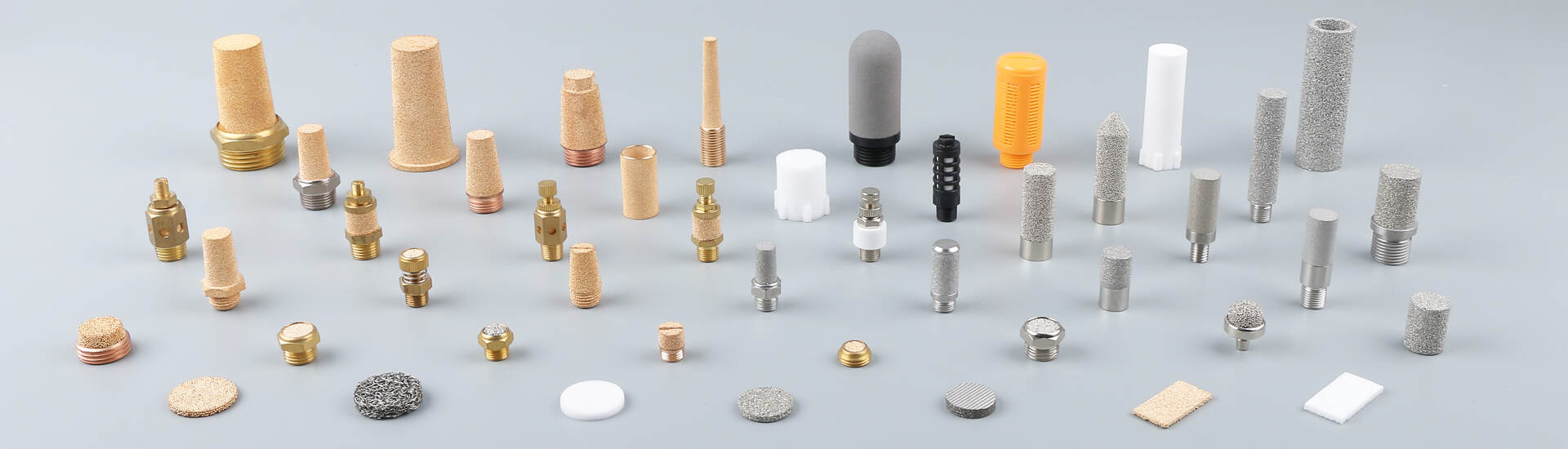
Sintered filters are strong metal filters that clean liquids and gases in many industries. They are made from metal powders or fibers that are pressed and heated until the particles stick together without melting completely. This creates a solid piece with lots of tiny connected holes, or pores. These pores let clean fluid pass through while catching dirt, particles, and other unwanted material.
People use sintered filters because they are durable, can handle high heat and pressure, and can be cleaned and used again many times. This article explains in simple terms how a sintered filter works, step by step. We will cover the basic idea, how it is made, the different ways it catches particles, and why it performs so well in real-world jobs.
What is a sintered filter?
A sintered filter is a porous metal part designed to filter fluids. The word “sintered” comes from the manufacturing process that joins metal particles together using heat. Common materials include stainless steel, bronze, titanium, and nickel alloys. The filter can be shaped as a tube, disc, cartridge, plate, or almost any custom form.
The key feature is the controlled porosity. Manufacturers can adjust the size of the pores from less than one micron up to hundreds of microns. This control lets the filter remove very fine particles or allow high flow rates, depending on what the job needs. Unlike paper or cloth filters that you throw away, sintered filters are permanent and reusable.
The sintering process – how the filter is made
Making a sintered filter starts with fine metal powder or short metal fibers. Workers mix the material, sometimes adding a small amount of lubricant. They pour the powder into a mold and press it under high pressure to form the basic shape.
Next, the pressed part goes into a special furnace. The temperature is high enough to bond the particles at their contact points but not hot enough to melt the whole piece. This bonding creates a strong structure while leaving open spaces between the particles. These spaces become the pores that do the actual filtering.
After sintering, the filter may be sized, machined, or welded to fit exact dimensions. Some filters get additional layers or supports for extra strength. The final product has a rigid, porous body that can withstand tough conditions.
This process allows factories to produce filters with very consistent pore sizes and shapes. That consistency is one reason sintered filters give reliable performance over long periods.
Basic working principle of a sintered filter
Here is how a sintered filter works in everyday use:
- Fluid (liquid or gas) enters the filter housing and reaches the outer surface of the sintered element.
- Pressure pushes the fluid through the porous walls of the filter.
- As the fluid moves through the tiny pores, dirt particles, rust, scale, and other contaminants get trapped inside the filter material.
- Clean fluid exits the other side of the filter and continues through the system.
The filter does not work like a simple screen with holes of one exact size. Instead, it uses depth filtration. Particles can get caught on the surface or deeper inside the pore network. This depth effect helps the filter hold more dirt before it needs cleaning.
Flow direction is usually from outside to inside for tubular filters, but some systems use inside-to-outside flow. The housing keeps everything sealed so dirty fluid cannot bypass the filter element.
How particles are captured
Sintered filters catch particles in three main ways:
- Direct interception: Larger particles simply cannot pass through pores smaller than themselves. They get stuck at the entrance or inside narrow channels.
- Inertial impaction: When fluid changes direction quickly inside the complex pore structure, heavier particles keep moving straight and hit the pore walls.
- Diffusion: Very small particles move randomly because of Brownian motion and eventually touch the pore surfaces and stick.
Because the pore paths are twisted and interconnected, particles have many chances to get trapped. This makes sintered filters effective at removing a wide range of particle sizes in one pass.
The pore size rating tells you what the filter can remove. A 5-micron filter, for example, is designed to stop most particles larger than 5 microns. Actual performance also depends on flow rate, pressure, and the type of contaminant.
Types of flow and pressure drop
When fluid flows through a sintered filter, it meets resistance from the pore structure. This resistance creates a pressure drop across the filter. A clean filter has a low pressure drop. As dirt builds up, the pressure drop increases.
Operators watch the pressure difference to know when the filter needs cleaning. Too high a pressure drop can reduce system efficiency or even damage the filter if it exceeds the rated limit.
Designers choose pore size, thickness, and surface area to balance good filtration with acceptable flow rates. Larger surface area or pleated designs help reduce pressure drop while keeping high dirt-holding capacity.
In high-flow systems, multiple filter elements are often used together in one housing to handle the volume without slowing things down.
Cleaning and reusing sintered filters
One of the biggest advantages of sintered filters is that you can clean them. Common cleaning methods include:
- Backwashing: Reverse the flow with clean fluid to push trapped particles out.
- Chemical cleaning: Soak the filter in special solutions that dissolve contaminants.
- Ultrasonic cleaning: Use sound waves in a cleaning bath to loosen dirt.
- Heat cleaning: Burn off organic material in a controlled oven (for certain applications).
After cleaning, the filter returns to near-original performance. Many sintered filters can be cleaned dozens or even hundreds of times before they need replacement. This reusability saves money and reduces waste compared to disposable cartridge filters.
Proper cleaning intervals keep the system running efficiently and extend the life of the filter element.
Common applications of sintered filters
Sintered filters are used in many industries because they are reliable in tough conditions.
In chemical processing, they filter aggressive acids, solvents, and catalysts. In oil and gas, they clean hydraulic fluids, fuel, and process gases. Food and beverage plants use them for water, syrups, and beer filtration where hygiene is important.
Pharmaceutical companies rely on them for high-purity liquids and sterile air. Power plants use sintered filters for steam and cooling water. Pneumatic systems use them as air filters and silencers.
They also appear in medical devices, automotive fuel systems, and polymer production. Their ability to handle high temperatures makes them suitable for hot gas filtration and exhaust treatment.
Advantages of sintered filters
Sintered filters offer several clear benefits:
- High strength and durability under pressure and temperature.
- Excellent corrosion resistance when made from stainless steel or special alloys.
- Reusable – easy to clean and return to service.
- Precise pore size control for consistent filtration.
- No fiber shedding or media migration into the clean fluid.
- Long service life, which lowers operating costs.
They perform well in environments where paper, cloth, or plastic filters would fail quickly.
Things to consider when using sintered filters
To get the best performance, match the filter material and pore size to your fluid and operating conditions. Check temperature, pressure, chemical compatibility, and flow rate requirements.
Install the filter in the correct flow direction and provide easy access for maintenance. Monitor pressure drop regularly so you know when to clean.
Proper housing design is also important to avoid bypass and ensure even flow across the filter surface.
Final thoughts
A sintered filter works by forcing fluid through a network of tiny pores in a strong metal structure. The sintering process creates a rigid, porous element that traps contaminants through interception, impaction, and diffusion. Its depth filtration ability, combined with high durability and reusability, makes it a practical choice for many industrial filtration needs.
Whether you need to clean oil, gas, water, or chemicals, understanding how these filters work helps you choose the right one and maintain it properly for the best results.
If you are looking for high-quality sintered filters and expert support, check out NESIA FILTER.
With the right sintered filter in your system, you can achieve cleaner fluids, longer equipment life, and lower maintenance costs. Take time to select the correct pore size and material, follow good maintenance practices, and your sintered filter will serve you reliably for a long time.
READ ALSO: What Do You Need to Prepare to Start a DTF Printing Business?