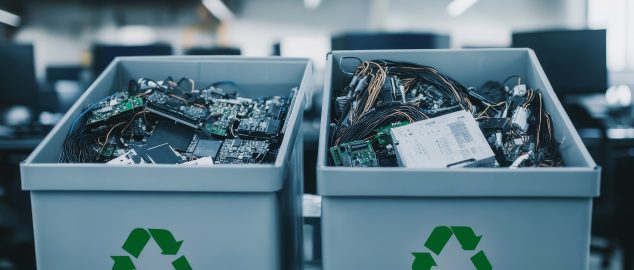
As businesses replace computers, servers, hard drives, and mobile devices, the conversation often focuses on recycling. While responsible recycling plays an important role in reducing electronic waste, it is only one part of the process. The greater risk usually lies elsewhere, inside the data stored on those devices.
Many organizations assume that once equipment leaves the office, the information it contains is no longer a concern. In reality, retired devices can still hold customer records, financial documents, employee information, login credentials, intellectual property, and confidential business data. If that information is not properly destroyed, the consequences can be severe.
The Hidden Risk Inside Old Devices
Deleting files or performing a factory reset does not always remove data permanently. In many cases, information can still be recovered using specialized tools. This creates a serious security gap when outdated equipment is sold, donated, recycled, or discarded without proper sanitization.
A single hard drive can contain years of sensitive business information. If that data falls into the wrong hands, organizations may face financial losses, reputational damage, regulatory penalties, and legal complications.
This is why data protection should always come before equipment disposal.
Recycling Protects the Environment, Data Destruction Protects the Business
Electronic recycling helps keep harmful materials out of landfills and supports sustainable resource recovery. It is an important environmental responsibility for modern organizations.
However, recycling alone does not guarantee that sensitive information has been eliminated. A device can be recycled responsibly while still exposing confidential data if the destruction process is incomplete.
Businesses need a strategy that addresses both concerns. Environmental responsibility matters, but information security must remain the first priority.
Compliance Requirements Are Becoming More Strict
Many industries operate under regulations that require secure handling and disposal of sensitive information. Healthcare providers, financial institutions, government agencies, educational organizations, and technology companies all manage data that must be protected throughout its lifecycle.
When devices reach the end of their useful life, organizations are still responsible for the information stored on them. Proper documentation, chain of custody procedures, and verified destruction methods help demonstrate compliance and reduce liability.
Why Professional Data Destruction Is Essential
Professional data destruction services use recognized methods such as secure wiping, degaussing, and physical shredding to ensure information cannot be recovered.
Organizations that work with certified providers receive documented proof that their data has been destroyed according to established security standards. This creates accountability, supports audits, and provides peace of mind that sensitive information is no longer at risk.
For businesses looking to protect confidential information, investing in Secure Data Destruction is often far more important than simply recycling hardware.
Building a Complete IT Asset Disposal Strategy
The most effective approach combines secure data destruction with responsible electronics recycling. First, all sensitive information is permanently removed or destroyed. Then, the remaining equipment can be processed through approved recycling or asset recovery channels.
This approach reduces security risks, supports regulatory compliance, and contributes to sustainability goals without compromising business protection.
Final Thoughts
Recycling old technology is important, but it should never be the first concern when retiring IT equipment. The true value of a disposal program lies in protecting the information stored inside each device.
Before focusing on where a device ends up, organizations should focus on what remains on it. Secure data destruction protects customer trust, safeguards business operations, and helps prevent costly security incidents. Once the data is properly destroyed, recycling becomes the final step in a responsible and secure disposal process.