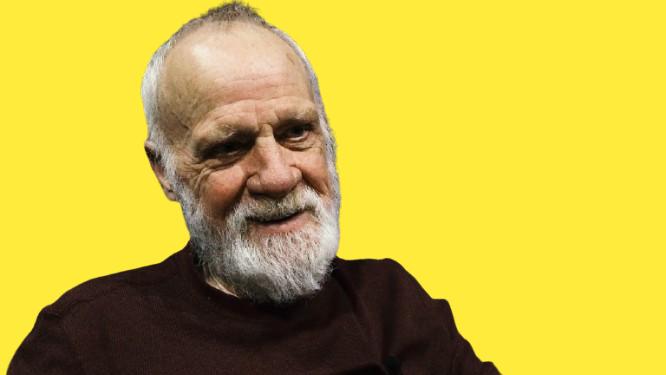
Introduction to Leon Russom
Leon Russom is one of those rare actors whose face is instantly recognizable, even if his name isn’t always front and center. With a career spanning decades across stage, television, and film, he has built a reputation as a dependable and compelling character actor.
From soap operas in the early years to memorable roles in major productions like Prison Break and The Big Lebowski, Leon Russom’s journey reflects persistence, adaptability, and a deep love for the craft of acting. This article uncovers his full story—his early beginnings, career evolution, and the legacy he continues to leave behind.
Early Life and Background
Leon Russom was born Maurice Leon Russom Jr. on December 6, 1941, in Little Rock, Arkansas. Growing up in a structured household, he developed a strong sense of discipline and curiosity from a young age.
His early environment was not centered around Hollywood glamour but rather grounded in traditional values and education. These formative years helped shape his work ethic and laid the foundation for a long and steady career in acting.
Education and Early Passion for Acting
Leon Russom’s passion for acting developed early, eventually leading him to pursue formal training in drama. His academic background in theater helped him understand the fundamentals of performance, including voice control, stage presence, and character development.
Rather than rushing into film or television, he chose to build his skills gradually. This thoughtful approach allowed him to gain confidence and technical expertise, which later became evident in his performances.
The New York Stage Years
Before entering mainstream television and film, Leon Russom spent over two decades working as a stage actor in New York. This period was critical in shaping his artistic identity.
He performed in various theatrical productions, including classical works and experimental theater. One of his notable early achievements was being part of the original Off-Broadway production of Oh! Calcutta! in 1969.
These years gave him a deep understanding of storytelling and character immersion. Unlike many actors who start in front of the camera, Russom built his foundation on stage, which contributed to his strong and authentic performances later in his career.
Transition to Television and Soap Operas
Leon Russom made his television debut in the late 1960s, appearing in soap operas such as Guiding Light and Love Is a Many Splendored Thing.
He gained significant recognition for his role as Willis Frame in Another World, a character he portrayed for several years. This role established him as a reliable presence in television and opened doors to more opportunities.
Soap operas played a crucial role in his career development. They required consistency, emotional range, and the ability to perform under tight production schedules—skills that Russom mastered over time.
Expanding Into Film and Hollywood
Leon Russom transitioned into film in the 1980s, marking a new chapter in his career. One of his early notable films was No Way Out (1987), which helped bring him into the Hollywood spotlight.
He later appeared in a wide range of films, including:
- The Big Lebowski (1998), where he played the Malibu police chief
- True Grit (2010), directed by the Coen Brothers
- A Quiet Place (2018), a modern horror success
These roles may not always have been leading parts, but they were impactful. Russom became known for adding depth and authenticity to every character he portrayed.
Iconic Television Roles
Leon Russom’s television career is extensive, with appearances in numerous popular series. Some of his most recognized roles include:
- General Jonathan Krantz in Prison Break
- Appearances in The X-Files, Bones, Cold Case, and Law & Order
- Roles in Star Trek: Deep Space Nine and Star Trek VI
His portrayal of General Krantz in Prison Break is particularly noteworthy. The character’s complexity and authority allowed Russom to showcase his ability to play powerful and layered roles.
Over time, he became a familiar face in crime dramas and procedural shows, often cast as authoritative figures such as officers, officials, or leaders.
Acting Style and Strengths
Leon Russom’s acting style is defined by subtlety and control. He is not known for overly dramatic performances but rather for delivering grounded and believable characters.
His stage background gives him a unique edge. He understands pacing, dialogue delivery, and emotional nuance, allowing him to adapt seamlessly across different genres.
Whether playing a villain, a law enforcement officer, or a supporting character, Russom brings credibility to his roles. This consistency has made him a respected figure among peers and audiences alike.
Personal Life and Relationships
Leon Russom has maintained a relatively private personal life. He was previously married to actress Karen Grassle and later married Daphne C. Cheesman, with whom he has a child.
Unlike many actors, he has chosen to keep his family life out of the public eye. This decision reflects his preference for privacy and focus on his professional work.
His personal life, while not widely publicized, appears to be grounded and stable, contributing to his long-standing career.
Longevity in the Entertainment Industry
One of the most remarkable aspects of Leon Russom’s career is its longevity. He has been active in the entertainment industry since the 1960s, spanning more than five decades.
Few actors manage to sustain such a long career while remaining relevant across different eras. Russom’s ability to adapt to changing trends in television and film has been key to his success.
From black-and-white television to modern streaming platforms, he has consistently found opportunities to showcase his talent.
Contributions to Theater and Artistic Leadership
Even after transitioning to film and television, Leon Russom never abandoned his roots in theater. He continued to perform on stage and remained involved in theatrical productions.
He also took on leadership roles, including serving as a co-artistic director for a theater company. This involvement demonstrates his commitment to nurturing the arts and supporting the next generation of performers.
His dedication to theater highlights his belief in acting as a craft, not just a profession.
Challenges and Career Realities
Like many character actors, Leon Russom did not always receive widespread recognition despite his extensive body of work. His roles were often supporting rather than leading.
However, this did not diminish his impact. Instead, it allowed him to build a diverse portfolio of characters and maintain a steady career.
His journey reflects the reality of many working actors—success is not always measured by fame but by consistency and contribution.
Legacy and Cultural Impact
Leon Russom’s legacy lies in his versatility and dedication. He represents the backbone of the entertainment industry—actors who bring stories to life without always being in the spotlight.
His work across multiple genres and platforms has contributed to some of the most memorable moments in television and film. From crime dramas to science fiction, his performances have left a lasting impression.
He also serves as an example for aspiring actors, showing that a successful career can be built through persistence and passion.
Why Interest in Leon Russom Is Growing
In recent years, there has been renewed interest in Leon Russom, partly due to the popularity of shows like Prison Break and the continued success of films he has appeared in.
Modern audiences are also more curious about character actors who have contributed significantly to the industry. Russom’s extensive filmography and consistent performances make him a fascinating figure to explore.
His story resonates with those who appreciate the artistry behind supporting roles.
Where Is Leon Russom Now?
Leon Russom continues to be associated with acting, occasionally appearing in films and television projects. Even in his later years, he remains connected to the industry he has served for decades.
While he maintains a low public profile, his work continues to speak for itself. His enduring presence in entertainment highlights his dedication and passion for acting.
Conclusion
Leon Russom’s story is one of dedication, resilience, and quiet excellence. From his early days on the New York stage to his extensive career in television and film, he has built a legacy that stands the test of time.
He may not always be the headline star, but his contributions are undeniable. Through consistent performances and a deep commitment to his craft, Leon Russom has become a respected figure in the world of acting.
His journey serves as a reminder that true success in the entertainment industry is not just about fame—it is about longevity, impact, and the ability to bring stories to life.