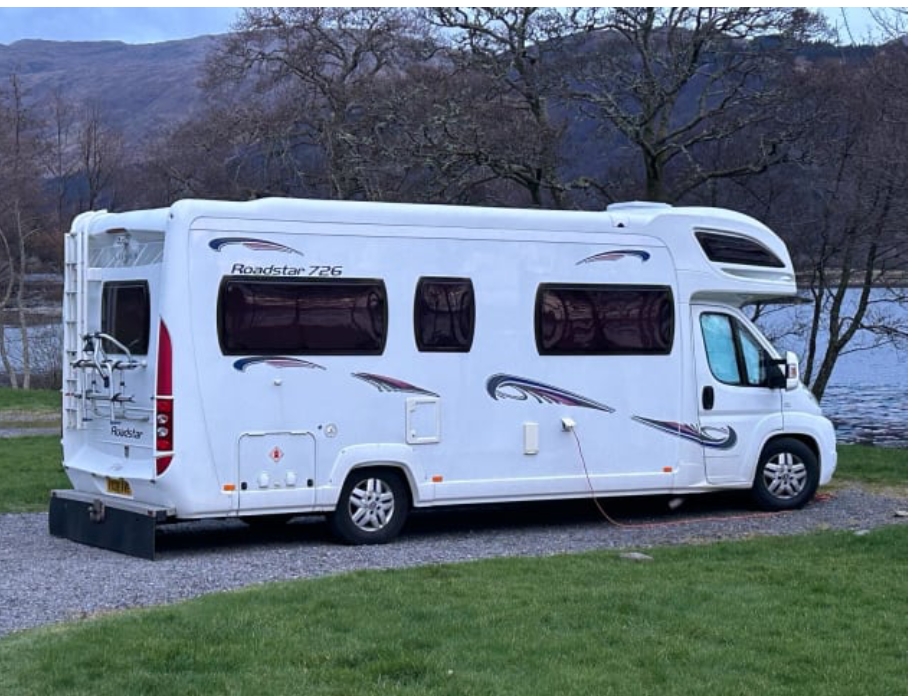
Many camper owners in the Netherlands know the frustration of watching a well-maintained vehicle go unbooked month after month. The maintenance costs continue regardless, the asset depreciates quietly, and the financial return stays at zero. In 2026, that pattern has a practical alternative. The peer-to-peer camper rental market has matured into a structured, reliable channel where owners who approach listing strategically are converting an underutilised asset into a consistent income stream without surrendering ownership or flexibility.
But what does listing a 4-Person Camper strategically actually mean? Uploading a few photographs and setting a price is not a plan; it is a starting point, and a fragile one. The owners generating steady returns in 2026 are those who understood the platform mechanics, the legal protection frameworks, and the renter expectations before publishing a single listing. Getting those foundations right from the outset is precisely what separates a camper who earns through the season from one who accumulates missed opportunities instead.
What the Listing Process Actually Involves
Most owners underestimate the depth a well-structured listing requires. It extends well beyond photographs and a nightly rate. Here is what genuinely determines performance across these critical areas:
Accurate Listing Attracts The Right Centres
A 4-Person Camper presented with precise sleeping capacity, verified amenity details, and honest photography consistently attracts renters whose requirements match what the vehicle genuinely offers. That alignment reduces cancellations, minimises post-trip disputes, and builds the review record that drives future bookings without additional effort.
Pricing Demands Research, Not Instinct
Setting a nightly rate without reference to comparable listings, seasonal demand curves, or platform commission structures almost always results in either underearning or a calendar that stays empty. A well-calibrated rate reflects the vehicle’s condition, the local market benchmark, and the time of year, not simply a number that feels reasonable on a Tuesday afternoon.
Availability Management is an Ongoing Commitment
A listing published and left unattended is a listing that underperforms. Keeping the availability calendar current, responding to booking enquiries within a reasonable window, and adjusting rates around peak demand periods are operational necessities. In 2026, renters expect responsiveness and platforms reward it with measurably better search visibility.
Documented Terms Protect the Owner Before a Problem Arises
Pet policies, fuel return expectations, mileage conditions, and handover procedures should be recorded in the listing before the first booking is confirmed, not negotiated after a dispute has already begun. Clarity at the outset removes the ambiguity that makes post-trip disagreements difficult to resolve fairly.
Why Platform Selection Is the Most Consequential Decision an Owner Makes
The choice of platform determines the entire risk and reward structure of a 4-Person Camper listing, and it deserves considerably more consideration than most owners give it. A platform that holds the security deposit as a neutral third party, conducts damage assessments independently, and backs every booking with specialist camper and caravan insurance changes the financial exposure of listing fundamentally.
In 2026, owners who treat platform selection as an administrative afterthought are the ones most likely to encounter unresolved damage claims, withheld deposits, and income uncertainty that a more deliberate choice would have prevented entirely.
The Protection Structures Every Owner Must Understand Before Listing
Listing without a clear understanding of the protection framework behind a platform is a significant and avoidable risk. Here is what to evaluate and why each element carries weight:
Insurance Calibrated to Camper Rental, Not Generic Vehicle Cover
Standard vehicle insurance policies are rarely structured to cover the specific scenarios that arise during camper rentals, extended journey durations, interior fitting damage, or off-season use conditions. Platforms that partner with insurers specialising in campers and caravans provide coverage that is genuinely relevant to the risks involved, rather than a policy retrofitted from car rental logic that leaves gaps where an owner needs protection most.
Deposit Management That Removes the Conflict of Interest
- Deposits held directly by the owner create an inherent conflict when damage is disputed.
- Independent deposit management by the platform eliminates that conflict structurally.
- Neutral damage assessment protects owners from unfounded claims.
- Renters book with greater confidence when deposit terms are transparently managed.
That renter confidence translates directly into booking volume. Listings 4-Person Camper on platforms with independently managed deposits attract more completed bookings than those where financial terms appear weighted toward either party.
Digital Contracts That Record the Facts Before Departure
Every booking requires a clear digital contract capturing the agreed terms, the vehicle condition at handover, and the return expectations in documented form. Without that record, any disagreement after the trip resolves into competing accounts rather than a verifiable fact. A structured contract at the outset protects the owner’s position in any assessment and signals to the renter that the listing operates professionally.
Professional documentation also attracts a more responsible category of renter. Listings underpinned by clear contracts and transparent terms consistently generate stronger reviews and higher rebooking rates over a full season.
Round-the-Clock Support That Covers Both Sides of the Booking
Operational issues during a rental do not follow a nine-to-five schedule. A platform offering 24/7 support for both owner and renter provides genuine security rather than a support promise that becomes unavailable precisely when an unexpected situation demands attention. For a 4-Person Camper covering longer journeys across the Netherlands, that availability is not a premium feature; it is a baseline requirement.
What Distinguishes High-Performing Listings in 2026
The camper owners generating reliable income in 2026 are not uniformly those with the newest vehicles or the most aggressive pricing. The distinguishing pattern is more specific and more replicable.
High-performing listings are precise rather than promotional. Accurate descriptions, verified photographs, and clearly stated operational terms produce better booking rates than polished marketing language. Renters approach a listing practically; they want an accurate picture of what to expect, and they book when the listing earns their confidence rather than simply competing for their attention.
Owner responsiveness compounds measurably over a season. Platforms surface listings from owners who maintain current availability calendars, engage with enquiries promptly, and accumulate strong reviews consistently. That algorithmic visibility builds over time in ways that no single promotional action can replicate independently.
Conclusion
A 4-Person Camper carries real earning potential, but realising it depends on listing through a platform that provides neutral deposit management, specialist insurance cover, documented contracts, and dependable support at every stage of the booking. The fundamentals outlined here are not complex, but overlooking any one of them is where most listing experiences fall short. In 2026, owners who establish these foundations correctly from the outset are the ones sustaining that income through the full season.