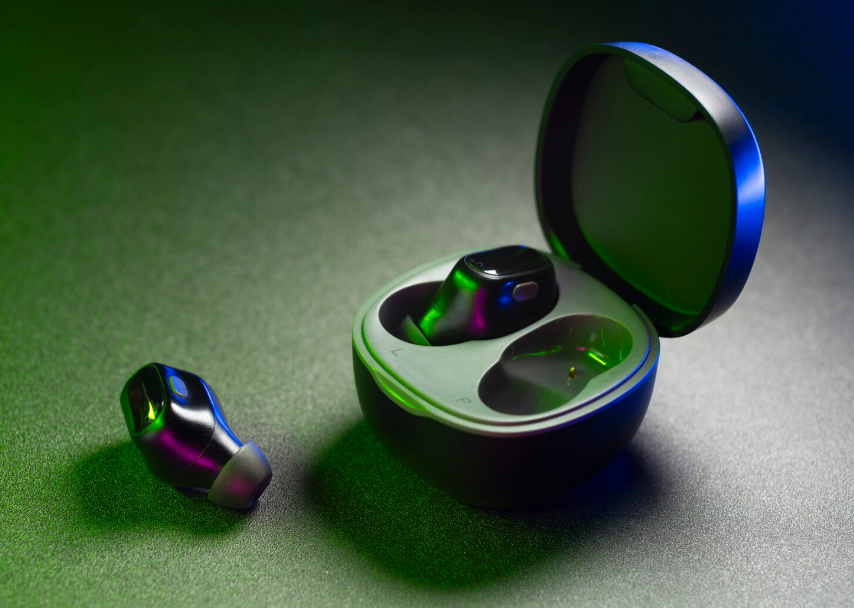
In recent years, wireless earbuds have transformed the landscape of personal audio technology. Surging in popularity due to their convenience, style, and cutting-edge features, these devices have become essential for music lovers and professionals alike. As tech companies continue to innovate, wireless earbuds are setting new benchmarks for audio quality, battery life, and intelligent features.
The Rise of Wireless Audio Technology
Initially, music enthusiasts were tethered to their devices by long cables, which often became tangled or damaged. The transition from wired to wireless technology marked a significant leap toward user-friendly audio solutions. The advent of Bluetooth technology facilitated this change, allowing users to connect their earbuds to a range of devices with ease. The freedom from cables has not only enhanced mobility but also created more opportunities for multitasking, as users are no longer physically anchored to their audio sources.
Key Features of Modern Wireless Earbuds
Today’s wireless earbuds come equipped with a host of features designed to enhance the user experience. Among them, sound quality is paramount. High-definition audio, noise-cancellation technology, and enhanced bass response are standard offerings that cater to audiophiles. Active noise cancellation (ANC) is particularly impressive, using advanced algorithms and microphones to eliminate ambient sounds, making these earbuds ideal for busy or noisy environments.
Battery life has equally seen significant improvements. A typical pair of wireless earbuds now offers several hours of continuous playback, supported by charging cases that provide multiple recharges. Rapid charging technology ensures minimal downtime, allowing users to return to their audio sessions quickly.
Advanced Connectivity and User Interactions
Seamless connectivity remains at the forefront of wireless earbud innovation. Many models now incorporate Bluetooth 5.0 or higher, offering greater range and stability, as well as lower power consumption. This development allows for uninterrupted streaming over longer distances and more reliable connections in signal-dense environments.
Moreover, user interaction with wireless earbuds has become more intuitive through touch-sensitive controls and voice assistants. Simple touch gestures enable users to adjust volume, switch tracks, and even answer calls without reaching for their devices. Integration with digital assistants further expands functionality, allowing voice-command operations to manage schedules, retrieve information, and control smart home devices.
Fitness and Health Features
As personal fitness gains prominence, wireless earbuds have adapted to meet the needs of active users. Many versions are now sweat and water-resistant, making them suitable companions for workouts and outdoor activities. Advanced models integrate sensors capable of monitoring health metrics such as heart rate and step counts. Coupled with dedicated fitness apps, these earbuds promote a holistic approach to personal health management.
Furthermore, the ergonomic designs of wireless earbuds ensure a secure fit, preventing them from falling out during vigorous activities. This feature is vital for athletes who require uninterrupted focus during training sessions.
Aesthetic and Customisation Options
Design plays a crucial role in the appeal of wireless earbuds. Companies now offer a variety of designs and colour options, allowing users to personalise their audio devices to reflect their style. Compact and lightweight, these earbuds are often accompanied by sleek charging cases, adding to their aesthetic allure.
For users with specific preferences, custom audio profiles can be tailored to suit individual hearing needs. Apps associated with these devices often provide equaliser settings, enabling users to modify sound outputs to match their listening tastes.
Impact on Lifestyle and Culture
With the pervasive use of wireless earbuds, there has been a noticeable shift in how people interact with their environments and consume media. These audio devices offer a private soundscape, enabling users to immerse completely in podcasts, audiobooks, and music without external interruptions. This capability has redefined commuting, exercise sessions, and even relaxation times, blending seamlessly into daily routines.
The cultural impact is equally significant. The unobtrusive nature of wireless earbuds has made them a staple in professional settings, where they serve as discreet tools for virtual meetings and conference calls. The ability to seamlessly transition between tasks while remaining connected is invaluable in fast-paced work environments.
Future of Wireless Earbuds: Innovation and Potential
The future of wireless earbuds lies in further innovation, with industry leaders focusing on integrating more smart features. Artificial intelligence is expected to play a greater role, offering real-time language translation and personal audio tuning based on activity and environment.
There are also ongoing developments in the field of battery technology, aiming for longer battery life and shorter charging times. Materials used in the construction of these earbuds are becoming more sustainable, addressing environmental concerns while maintaining high-quality standards.
Haptic feedback is another area of interest, where subtle vibrations provide users with notifications or responses without auditory interruptions. This feature can be particularly advantageous in environments where audio cues are less desirable or feasible.

Challenges and Considerations
Despite their popularity, wireless earbuds are not without challenges. The relatively small size of these devices makes them susceptible to loss or damage. Moreover, users must periodically monitor charge levels and carry charging cases to ensure continuous usage.
Pricing remains a barrier for some consumers, with high-end models commanding significant investment. However, the growing market has led to increasing options across various price ranges, improving accessibility to advanced features.
As these devices rely heavily on Bluetooth technology, any connectivity issues can impact the overall experience. Continual improvements are necessary to ensure seamless compatibility with the ever-evolving ecosystem of smart devices.
Conclusion
The ongoing evolution of personal audio devices underscores the significant role that wireless earbuds play in contemporary life. Their integration into various aspects of daily routines reflects a broader trend towards convenience, personalisation, and technological synergy. As innovation continues to drive the industry forward, these versatile audio solutions will likely offer even more advanced features, further cementing their status as indispensable tools in the digital age.
READ ALSO: How Remote Desktop Solutions Support Hybrid Work Models