
Two Different Kinds of Expertise
A stubborn patch of acne, a sunspot that showed up overnight, or dull skin after a long winter can all send someone searching for help. The confusion usually starts right after that: should you book a dermatologist or a medical spa?
Both treat skin. Both can be excellent at what they do. But they are not interchangeable, and picking the wrong one can cost you time, money, or results.
What a Dermatologist Visit Usually Involves
A dermatologist is a medical doctor who specializes in skin, hair, and nails. Appointments usually start with a diagnosis. That matters most when a symptom could have more than one cause, like a rash that might be eczema, an allergic reaction, or something else entirely.
Dermatologists can prescribe medication, order biopsies, and treat conditions that go beyond appearance, including skin cancer, cystic acne, and chronic conditions like psoriasis. Visits are often covered in part by insurance when there is a medical reason for the appointment.
What a dermatologist’s office is usually not built for is ongoing cosmetic maintenance. A dermatologist might remove a mole or treat severe acne, but a standing appointment for smoother skin texture or reduced fine lines is not typically the focus of that practice.
What a Medical Spa Visit Usually Involves
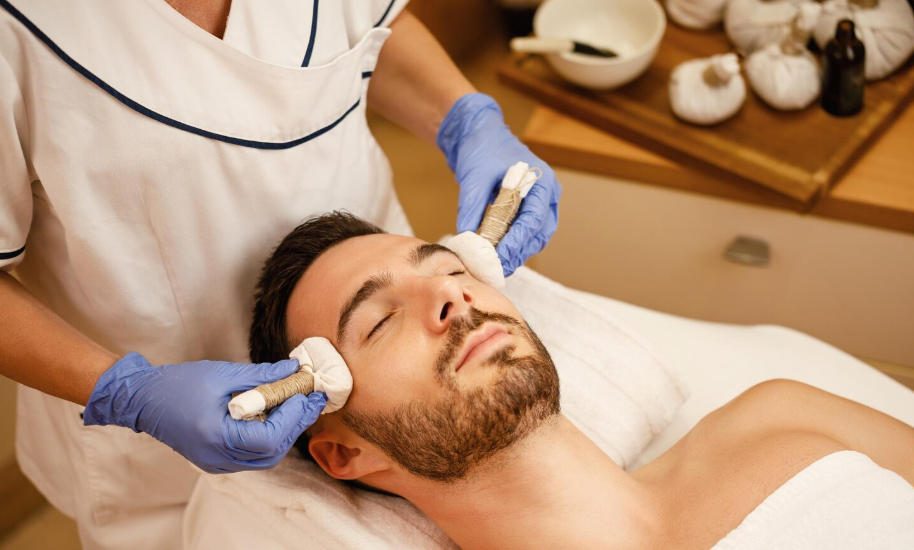
A medical spa sits between a day spa and a doctor’s office. Treatments are performed or supervised by licensed professionals, often registered nurses or nurse practitioners, working under a medical director. The focus is cosmetic rather than diagnostic: laser treatments, injectables, chemical peels, and skin resurfacing fall into this category.
These visits tend to run on a schedule rather than a single appointment. Laser treatments need multiple sessions spaced weeks apart. Injectables wear off and get repeated. A medical spa is built around that kind of repeat, planned care, and pricing usually reflects it as a package rather than a one-time medical fee.
What a medical spa will not do is diagnose a mole that looks unusual or prescribe medication for a skin infection. A reputable one will refer a client to a doctor when something falls outside its scope.
Where the Lines Blur
The two paths overlap more than people expect. Some medical spas have a dermatologist as their medical director. Some dermatology practices now offer cosmetic injectables and laser treatments in-house. And nurse-led clinics, where the clinical team is made up largely of registered nurses, often sit right at that overlap, offering medical-grade treatments without the diagnostic side of a doctor’s office.
Lana Moore, Director of Nursing at Bellair Laser Clinic in Toronto, works in exactly that kind of setting, where cosmetic treatments are delivered by a nursing team rather than a solo practitioner. It’s a model worth knowing about, because it changes who is actually in the room during a treatment and how consistent that care can be across repeat visits.
Questions That Point You in One Direction
A few questions tend to clear up which door to walk through.
Is the concern new, changing shape, or unusual in color? That points toward a dermatologist first, before anything cosmetic happens.
Is the goal about appearance rather than a medical symptom, like smoother skin, less visible hair, or reduced lines? A medical spa is usually built for that, often at a lower cost and shorter wait than a specialist referral.
Is there a chance insurance will cover part of the visit? That’s a question worth asking a dermatologist’s office directly, since coverage depends on whether the visit is medically necessary.
Does the treatment need to happen in a series, with the same provider tracking progress over several weeks? That favors a spa model built around multi-session packages.
A Reasonable Way to Decide
When a concern is new or looks abnormal, start with a doctor. A dermatologist can rule out anything serious before cosmetic treatment even becomes a consideration.
When the goal is purely cosmetic and the skin itself is healthy, a medical spa with a licensed clinical team is a reasonable starting point. Ask who performs the treatments, who the medical director is, and how long the team has been doing that specific procedure.
Some people end up using both over time: a dermatologist for medical concerns and periodic skin checks, and a medical spa for the kind of maintenance that keeps skin looking its best between those checks. Neither choice is wrong. The mistake is picking one and assuming it covers everything the other does.