Modern neurofeedback devices now offer far more than simple meditation support or basic brain tracking. Many systems include real-time EEG monitoring, guided feedback, personalized training programs, sleep tracking, stress management tools, and app-based cognitive exercises.
Some devices focus on portability and everyday use, while others offer advanced features that replicate professional brain-training systems at home. With so many options now available, comparing devices can quickly become confusing.
Sensor accuracy, signal quality, software design, training customization, subscription costs, and feedback systems can all affect your overall experience and long-term results. Certain devices also combine technologies such as EEG and fNIRS to provide more detailed tracking of brain activity and personalized feedback during training sessions.
Knowing which features matter most can help you compare systems more easily.
Thus, this article covers six important technical features to look for when choosing modern neurofeedback devices for home brain training.
1. EEG Sensor Accuracy
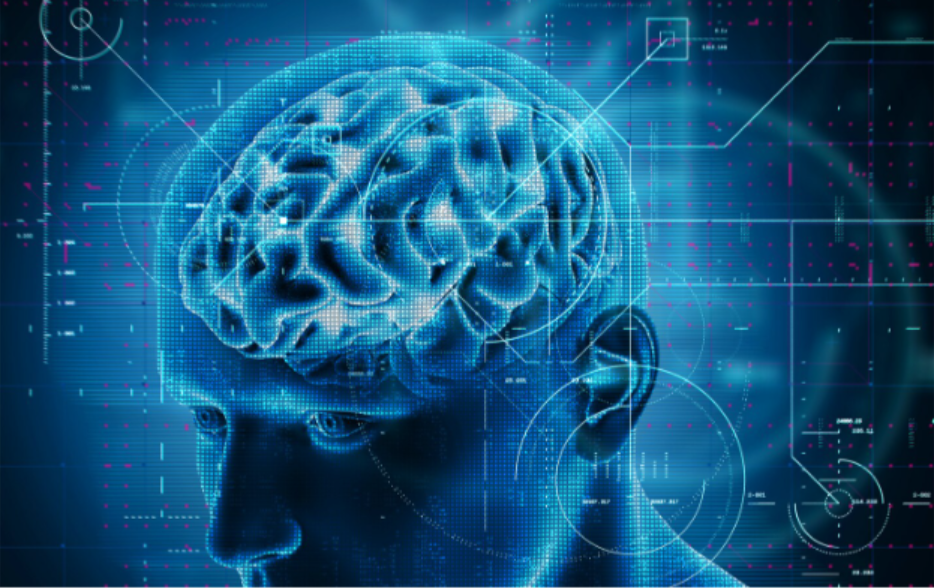
To select the right type of neurofeedback devices, the first thing you need to check is sensor accuracy. These sensors measure brain activity and feed real-time data to apps or software. Poor sensor quality can lead to inaccurate readings and inadequate training outcomes.
As highlighted in a recent feature by brain optimization expert Nick Urban, modern neurofeedback devices now use advanced EEG tracking and improved sensor technology to provide more accurate real-time monitoring of brain activity during training sessions.
Better devices often contain several sensors in specific regions of the brain to better track their signals. For most advanced products, this is done with dry sensors that do not require gels for everyday use.
Higher-quality devices also minimize signal issues caused by motion, poor contact, or electrical interference. The consistent quality of the signals allows you to more easily monitor focus, stress, sleep, and calm over time.
2. fNIRS Blood Flow Tracking
Another key feature to consider before purchasing modern neurofeedback devices is the fNIRS technology. This technology monitors the level of oxygen and the changes in blood flow in important parts of the brain using near-infrared light. Many people prefer this, as it may offer steady readings whilst moving or even while undertaking light work.
A few devices integrate EEG with fNIRS, allowing for wider coverage of the brain and more detailed feedback. Consider systems that are compatible with electrical stimulation tools without creating major electrical problems.
Improved blood flow monitoring may facilitate understanding of focus shifts, stress, and mental effort in guided exercises or meditation practice.
3. Real-Time Feedback Systems
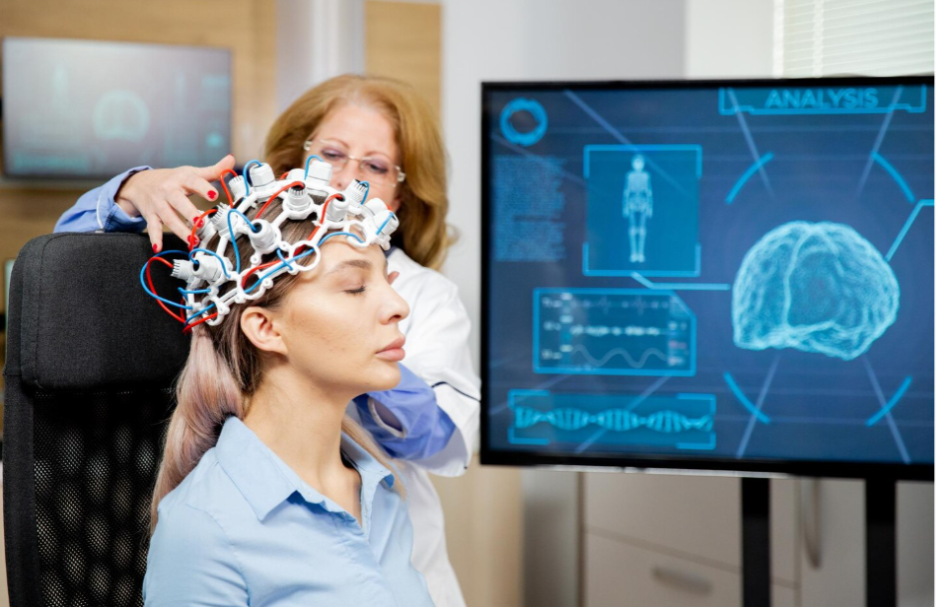
Brain training becomes easier to understand and follow with real-time feedback systems during regular practice. A few devices provide calming sounds, audio-guided relaxation, visualization training, or basic brain games to help with concentration. Immediate feedback can also accelerate the ability to identify mental patterns that are related to stress, distraction, or emotional tension.
Many platforms also feature progress tracking tools that show how calm, recovered, focused, and relaxed one becomes over time. Useful applications can include charts, session history, and performance summaries for easier long-term monitoring.
If you can get a clear progress report, it becomes easier to see the improvements after repeated sessions.
4. Personal Training Customization
Before purchasing a neurofeedback device, you should also look at the individualized training program that it offers. Each brain is unique in its reaction to focus, relaxation, and recovery exercises.
In some contemporary systems, brain activity is initially assessed, and then training programs are recommended accordingly. Finally, improved software can also customize the difficulty of the session, the style of feedback given, and the training objectives for that session in relation to your development over time.
Certain high-tech products employ machine learning systems that change in line with their training patterns by repeatedly analyzing brain activity measurements. Being able to customize it flexibly can help you to focus on other goals like getting better sleep, staying calm, managing stress, memory, or attention.
Appropriate customization can also make day-to-day lessons more relevant for daily life and individual needs.
5. Software Support and App Design
Software support and app design can strongly affect your overall experience with neurofeedback devices. Easy software design can make brain training simpler for beginners and more comfortable during regular use. Complicated menus, weak instructions, and unstable connections can create frustration during early sessions.
You may want apps that provide clear instructions, guided programs, progress charts, and stable wireless connections. Some platforms also support sleep tracking, meditation guidance, breathing exercises, and recovery monitoring within a single system.
Good software should work smoothly across phones, tablets, and computers without constant technical problems or connection failures. Easy app design can make regular brain training feel more organized and easier to maintain over time.
6. Total Cost and Subscription Structure
The total cost is another important factor to compare before purchasing neurofeedback devices. Hardware costs are not the only expense, as some systems also require monthly subscriptions for advanced training modes, progress reports, or guided coaching support. Those extra costs can increase spending over time.
Other products provide lifetime access after the first purchase without recurring monthly fees. Several premium systems also include brain mapping assessments, remote practitioner guidance, or personalized coaching services at an additional cost.
Budget-friendly products can still support focus, relaxation, and regular brain training without the need for expensive clinical features. Careful cost comparisons can help you avoid unexpected expenses while choosing equipment that aligns with your goals and budget.
What You Should Look for in a Quality Neurofeedback System
Modern brain training systems now offer more advanced features than older wellness products. Accurate EEG sensors, fNIRS tracking, real-time feedback, personalized programs, strong software support, and clear pricing can all affect your overall experience and results. Better technology may also support focus, stress control, sleep quality, relaxation, and long-term mental performance through regular use. Careful research still matters because different systems support different goals, budgets, and comfort levels. Reliable tracking, strong design, and clear feedback can make brain training easier to maintain over time.