The kitchen cabinet industry is a thriving sector, driven by the ever-growing demand for modern, functional, and aesthetically pleasing home interiors. For entrepreneurs looking to enter this market, opening a kitchen cabinet showroom can be a highly rewarding venture. However, like any business, success requires careful planning, strategic partnerships, and a clear understanding of the market.
This guide will walk you through the essential steps to establish and grow a successful cabinet showroom business. Whether you’re a seasoned entrepreneur or a newcomer to the industry, these insights will help you turn your vision into a profitable reality.
Step 1: Understanding the Cabinet Showroom Business
Before diving into the logistics of opening a kitchen cabinet showroom, it’s essential to understand the industry landscape. The cabinet dealership business operates at the intersection of design, functionality, and customer service. Your role as a kitchen cabinet dealer is to offer high-quality products that meet the diverse needs of homeowners, contractors, and interior designers.
Market Trends to Consider:
1. Customization is Key: Modern consumers prioritize cabinets that align with their unique preferences and lifestyle needs.
2. Sustainability Matters: Eco-friendly materials and manufacturing processes are increasingly important to buyers.
3. Technology Integration: Smart storage solutions and innovative designs are in high demand.
4. Rising Renovation Projects: Home improvement trends continue to fuel demand for cabinetry upgrades.
By staying informed about these trends, you can position your showroom to cater to current market demands and differentiate yourself from competitors.
Step 2: Conduct Market Research
Market research is the foundation of any successful business plan. Start by analyzing your target market, including the demographics, preferences, and buying behaviors of potential customers in your area.
Key Questions to Address:
– Who are your ideal customers? (e.g., homeowners, contractors, interior designers)
– What types of cabinets are most popular in your region?
– Who are your competitors, and what sets them apart?
– What price range are customers willing to pay for quality cabinets?
Gathering this information will help you identify gaps in the market and refine your business strategy.
Step 3: Create a Detailed Business Plan
A well-thought-out business plan will serve as your roadmap for launching and growing your cabinet showroom business. It should include:
1. Executive Summary: A clear overview of your business goals and mission.
2. Market Analysis: Insights from your research on customer demographics and competitors.
3. Product Offering: Details about the types of cabinets you plan to sell (e.g., custom, semi-custom, ready-to-assemble).
4. Marketing Strategy: How you plan to attract customers and build brand awareness.
5. Financial Plan: A breakdown of startup costs, pricing strategies, projected revenue, and funding sources.
A strong business plan not only helps you stay focused but also makes it easier to secure financing from investors or lenders.
Step 4: Choose the Right Location
The success of your kitchen cabinet showroom largely depends on its location. A prime location can drive foot traffic and make it easier for potential customers to find you.
Factors to Consider:
– Visibility: Choose a location with high visibility and easy access for both pedestrians and vehicles.
– Proximity to Target Audience: Position your showroom near residential neighborhoods or areas with ongoing construction and renovation projects.
– Space Requirements: Ensure the space is large enough to display a variety of cabinet styles and designs effectively.
Remember, your showroom is not just a retail space—it’s also an experience center where customers can visualize how your products will look in their homes.
Step 5: Partner with a Reliable Manufacturer
One of the most critical decisions you’ll make as a kitchen cabinet dealer is choosing the right supplier or manufacturer. Your supplier will directly impact the quality of your products, pricing, and customer satisfaction.
What to Look for in a Manufacturer:
– Product Range: A diverse portfolio of cabinet styles, materials, and finishes to cater to different customer preferences.
– Quality Assurance: High-quality craftsmanship and durable materials that meet industry standards.
– Competitive Pricing: Wholesale pricing that allows you to maintain healthy profit margins.
– Support Services: Marketing materials, training programs, and after-sales support to help you succeed.
By partnering with an established manufacturer like OPPOLIA, you can leverage their expertise and resources to reduce risks and accelerate growth.
Step 6: Design an Engaging Showroom
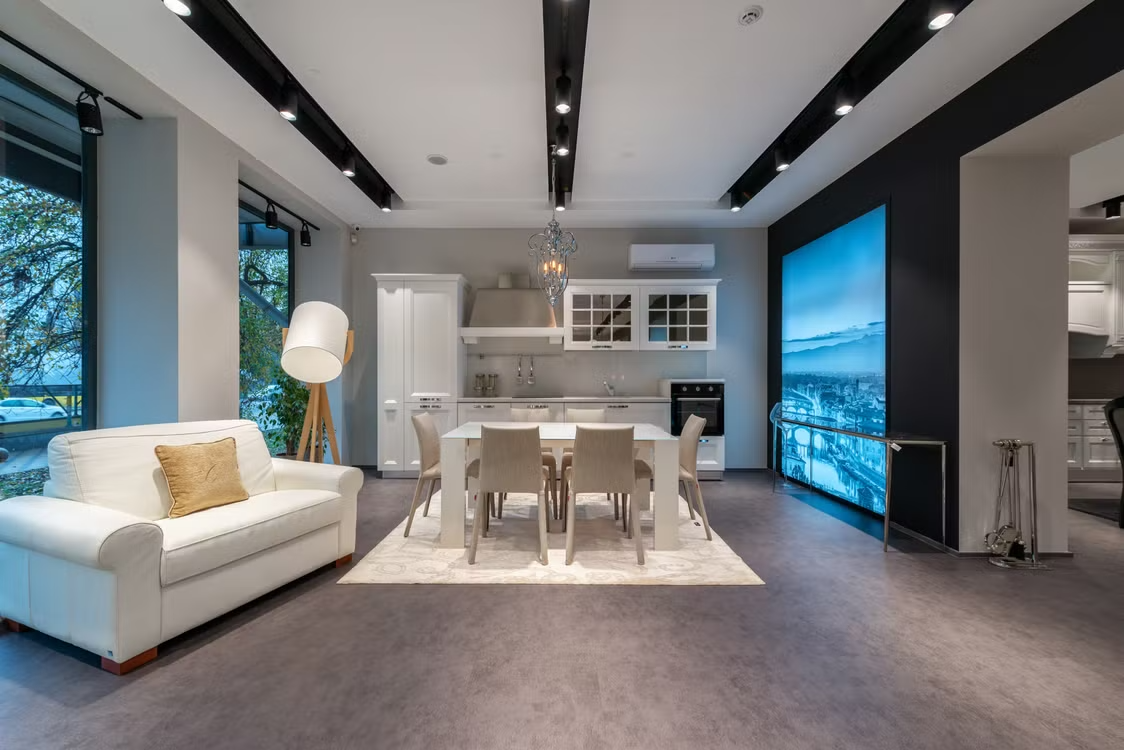
Your showroom should serve as an inspiring space where customers can explore various cabinet options and envision them in their homes. A well-designed showroom not only enhances the customer experience but also boosts sales.
Tips for Designing Your Showroom:
1. Create Vignettes: Set up mock kitchens with different cabinet styles to showcase how they look in real-life settings.
2. Use Proper Lighting: Highlight key features of your cabinets with strategic lighting arrangements.
3. Incorporate Technology: Use digital displays or virtual reality tools to help customers customize their cabinets and visualize designs in 3D.
4. Offer Samples: Provide material swatches, color palettes, and hardware options for customers to touch and feel.
A visually appealing showroom that emphasizes functionality and design will leave a lasting impression on your visitors.
Step 7: Develop a Marketing Strategy
To attract customers to your cabinet showroom business, you need a robust marketing strategy that leverages both online and offline channels.
Online Marketing:
– Build a professional website showcasing your products, services, and contact information.
– Optimize your website with SEO strategies using keywords like “cabinet dealership business” and “kitchen cabinet dealer” to improve search engine rankings.
– Leverage social media platforms like Instagram and Pinterest to share photos of your cabinets and completed projects.
– Run targeted ads on Google or social media platforms to reach potential customers in your area.
Offline Marketing:
– Host an open house or launch event to introduce your showroom to the community.
– Partner with local contractors, interior designers, and real estate agents for referrals.
– Distribute flyers or brochures in nearby neighborhoods undergoing renovations.
Building a strong online presence combined with local outreach efforts will help you establish credibility and attract a steady stream of customers.
Step 8: Focus on Customer Experience
In the competitive world of kitchen cabinet dealerships, exceptional customer service can set you apart from the competition. From the moment customers walk into your showroom until their cabinets are installed, every interaction should exceed their expectations.
Ways to Enhance Customer Experience:
– Train staff to be knowledgeable about products and provide personalized recommendations.
– Offer design consultations to help customers choose cabinets that fit their style and budget.
– Provide transparent pricing and detailed quotes to build trust.
– Ensure timely delivery and professional installation services.
Satisfied customers are more likely to recommend your business to others, helping you build a loyal customer base over time.
Step 9: Monitor Performance and Adapt
Once your kitchen cabinet showroom is up and running, it’s crucial to track its performance regularly. Analyze sales data, customer feedback, and market trends to identify areas for improvement.
Key Metrics to Monitor:
– Monthly sales revenue
– Customer acquisition costs
– Conversion rates (foot traffic vs. actual sales)
– Customer satisfaction scores
Use this data to make informed decisions about inventory management, marketing strategies, and customer service enhancements.
Conclusion
Opening a kitchen cabinet showroom is an exciting opportunity for entrepreneurs looking to tap into the booming home improvement industry. By following these steps—conducting thorough market research, creating a solid business plan, partnering with reliable manufacturers like OPPOLIA, designing an engaging showroom, and focusing on exceptional customer service—you can build a successful cabinet dealership business that stands out in the market.
If you’re considering starting or expanding a cabinet business, partnering with an established manufacturer can help reduce risks and accelerate growth. OPPOLIA offers dealership opportunities for entrepreneurs, distributors, showroom owners, and home improvement professionals looking to enter the cabinetry market with a comprehensive product portfolio and manufacturing support.
Whether you’re launching a new showroom or looking to diversify your existing business, learn more about the OPPOLIA dealership program and discover how a strategic supplier partnership can support your long-term business goals.