Introduction
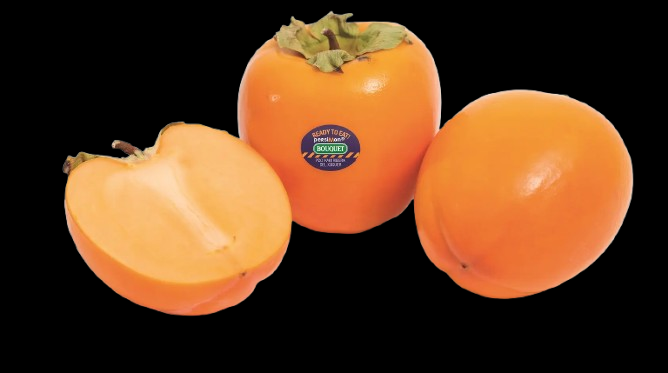
Caquis Persimon is one of the most celebrated varieties of persimmon, prized for its vibrant orange color, sweet flavor, firm texture, and impressive nutritional profile. Originating from the species Diospyros kaki, this fruit has become particularly famous in Spain, where the trademarked Persimon® variety is cultivated extensively in the Valencia region. Unlike traditional soft persimmons, Caquis Persimon can be enjoyed while still firm, making it more convenient to eat and transport.
In recent years, Caquis Persimon has gained worldwide popularity among health-conscious consumers, chefs, and fruit enthusiasts. Its combination of natural sweetness, vitamins, antioxidants, and culinary versatility makes it a valuable addition to a balanced diet. This guide explores everything you need to know about Caquis Persimon, from its nutritional benefits to cultivation techniques and delicious ways to enjoy it.
What Is Caquis Persimon?
Caquis Persimon is a premium form of persimmon derived primarily from the Rojo Brillante variety. The fruit belongs to the Ebenaceae family and comes from the tree Diospyros kaki, which originated in East Asia before spreading throughout Europe and other regions of the world.
What makes Caquis Persimon unique is its firm flesh and reduced astringency. Through specialized post-harvest treatments, the fruit loses the bitterness associated with unripe persimmons while maintaining a crisp texture similar to an apple. This characteristic has significantly contributed to its commercial success and consumer appeal.
History and Origin of Caquis Persimon
The history of persimmons dates back more than 2,000 years in China, where the fruit was first cultivated. It later spread to Japan and Korea before reaching Europe between the seventeenth and nineteenth centuries. Spain eventually became one of the world’s leading producers of high-quality persimmons.
The famous Persimon® brand emerged in Spain’s Ribera del Xúquer region, where the Rojo Brillante variety thrives under ideal Mediterranean conditions. Today, Spanish Caquis Persimon is exported globally and is recognized for its exceptional flavor, consistency, and quality standards.
Nutritional Profile of Caquis Persimon
One of the biggest reasons for the growing popularity of Caquis Persimon is its impressive nutritional content. The fruit is naturally low in fat while providing valuable vitamins, minerals, dietary fiber, and antioxidants.
A typical serving contains carbohydrates for energy, fiber for digestive health, vitamin A for vision support, vitamin C for immune function, and potassium for cardiovascular health. Additionally, it contains beneficial plant compounds that contribute to overall wellness.
Health Benefits of Caquis Persimon
Supports Immune Health
Caquis Persimon contains significant amounts of vitamin C, an essential nutrient that helps strengthen the immune system. Regular consumption may support the body’s natural defense mechanisms and contribute to overall wellness.
The antioxidants present in the fruit also help protect cells from oxidative stress, supporting long-term health and vitality.
Promotes Healthy Vision
The fruit is rich in vitamin A and carotenoids, nutrients that play a crucial role in maintaining healthy eyesight. These compounds help support retinal function and may contribute to long-term eye health.
Including Caquis Persimon in a balanced diet can be a delicious way to support visual wellness naturally.
Improves Digestive Function
Fiber is one of the standout nutritional features of Caquis Persimon. Dietary fiber helps maintain regular digestion, supports gut health, and promotes feelings of fullness after meals.
A fiber-rich diet is associated with improved digestive efficiency and may contribute to better overall metabolic health.
Supports Heart Health
Potassium, fiber, and antioxidant compounds found in Caquis Persimon may contribute to cardiovascular wellness. These nutrients support healthy blood pressure levels and help maintain proper circulatory function.
When combined with a healthy lifestyle, regular fruit consumption can play a positive role in heart health management.
Rich Source of Antioxidants
Caquis Persimon contains carotenoids, flavonoids, and other antioxidant compounds that help combat free radicals within the body. Antioxidants are important because they help reduce oxidative stress, a process linked to aging and various chronic health conditions.
These natural protective compounds are among the key reasons nutrition experts encourage regular fruit consumption.
How Caquis Persimon Is Cultivated
Climate Requirements
Caquis Persimon grows best in regions with warm summers, mild winters, and plenty of sunlight. Mediterranean climates are particularly favorable because they provide ideal conditions for fruit development and ripening.
Adequate sunlight helps the fruit develop its characteristic sweetness, color, and nutritional quality.
Soil Conditions
The trees prefer fertile, well-drained soil with moderate moisture retention. Good drainage is essential because excessive water accumulation can negatively affect root health and fruit production.
Farmers often enrich soil with organic matter to promote healthy growth and maximize yields.
Tree Care and Maintenance
Proper pruning helps improve air circulation and sunlight penetration throughout the canopy. Regular watering, fertilization, and pest management also contribute to healthy orchards and consistent fruit quality.
Many commercial growers implement modern agricultural practices to ensure sustainable and productive cultivation.
Harvesting and Post-Harvest Treatment
Caquis Persimon is typically harvested before reaching full softness. After harvest, specialized treatments remove the fruit’s natural astringency while preserving its firm texture. This process allows consumers to enjoy the fruit while it remains crisp and easy to handle.
The result is a unique eating experience that combines the sweetness of a ripe persimmon with the convenience of a firm fruit.
How to Select the Best Caquis Persimon
When shopping for Caquis Persimon, look for fruits with bright orange skin, smooth surfaces, and no significant bruising or damage. The fruit should feel firm but not excessively hard.
Uniform coloration and a fresh green calyx often indicate high quality and proper handling during harvest and transportation.
Proper Storage Methods
Caquis Persimon can be stored at room temperature for short periods if additional ripening is desired. Once ripe, refrigeration helps extend freshness and maintain texture.
Proper storage not only preserves flavor but also helps retain valuable nutrients.
Delicious Ways to Enjoy Caquis Persimon
Fresh and Raw
One of the simplest ways to enjoy Caquis Persimon is by eating it fresh. Because of its firm texture, it can be sliced and eaten much like an apple.
Its natural sweetness makes it an excellent snack without the need for additional ingredients.
Salads
Adding sliced Caquis Persimon to salads provides color, sweetness, and nutritional value. The fruit pairs well with leafy greens, nuts, cheese, and citrus-based dressings.
Its crisp texture creates a pleasant contrast to softer salad ingredients.
Smoothies
Caquis Persimon blends beautifully into smoothies, adding natural sweetness and a creamy consistency. Combining it with yogurt, bananas, berries, or oats creates a nutritious beverage.
Smoothies are an excellent option for individuals seeking convenient ways to increase fruit intake.
Desserts
The fruit works exceptionally well in cakes, tarts, puddings, sorbets, and jams. Its naturally sweet flavor reduces the need for excessive added sugars.
Many chefs incorporate Caquis Persimon into seasonal recipes because of its rich taste and attractive appearance.
Preserves and Jams
Homemade jams and preserves are popular ways to extend the enjoyment of Caquis Persimon beyond the harvest season. The fruit’s natural sugars and flavor make it ideal for preserving.
These products can be used as spreads, dessert toppings, or ingredients in baked goods.
Potential Considerations
While Caquis Persimon is generally safe and healthy for most people, consuming large amounts of unripe persimmons may cause digestive discomfort because of their tannin content. Commercial Persimon varieties are specifically treated to reduce this issue.
As with any food, moderation and a balanced diet remain important for overall health.
Why Caquis Persimon Is Growing in Popularity
Consumers increasingly seek nutritious, flavorful, and versatile foods. Caquis Persimon meets all these criteria by offering excellent taste, convenient texture, attractive appearance, and numerous health benefits. Its growing availability in international markets has further expanded its appeal.
The fruit’s combination of tradition, innovation, and nutrition makes it one of the most exciting seasonal fruits available today.
Conclusion
Caquis Persimon is far more than just a delicious autumn fruit. It combines outstanding nutritional value, impressive health benefits, versatile culinary applications, and a fascinating agricultural heritage. Rich in fiber, vitamins, minerals, and antioxidants, it supports overall wellness while delivering exceptional flavor.
Whether enjoyed fresh, blended into smoothies, added to salads, or transformed into desserts, Caquis Persimon offers countless ways to enhance a healthy lifestyle. As global awareness continues to grow, this remarkable fruit is likely to remain a favorite among consumers seeking both nutrition and taste.