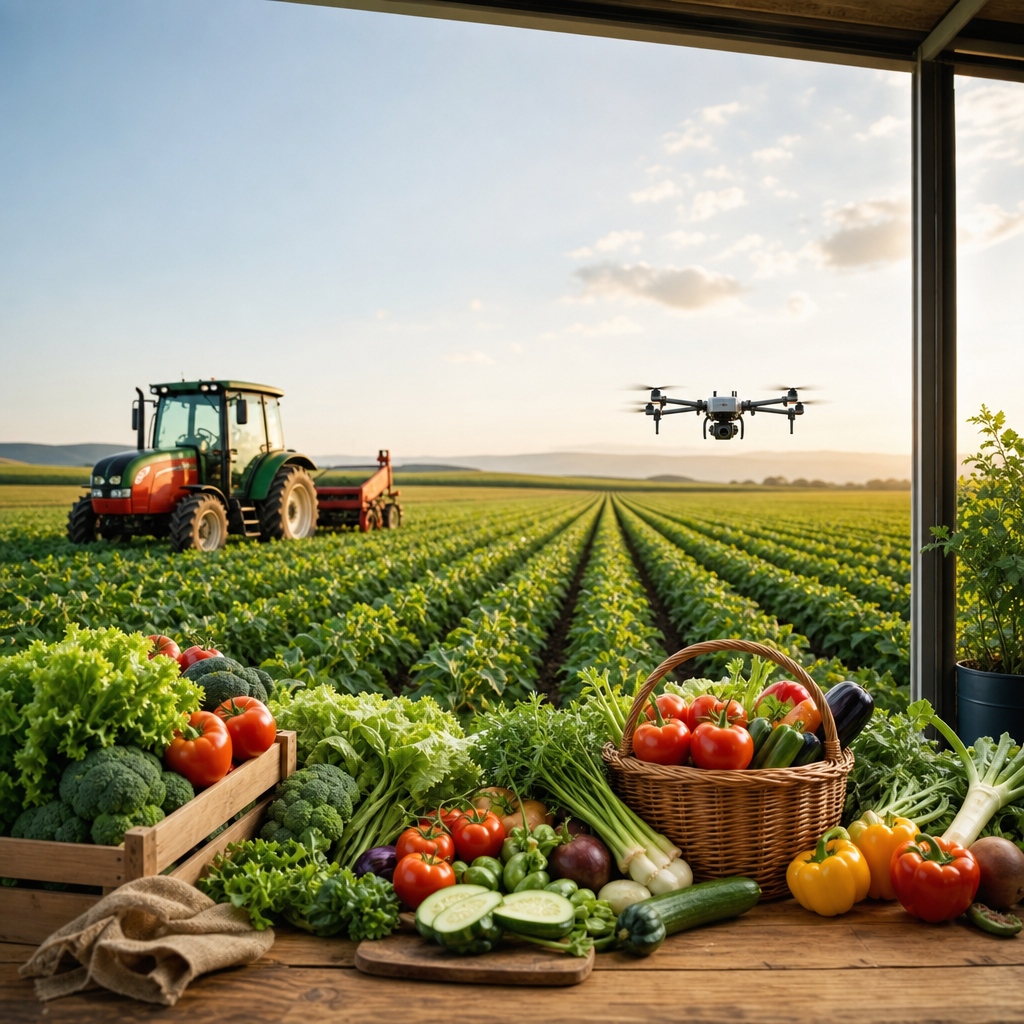
The relationship between agricultural technology and the food on our plates is more direct than most people realize. As farming practices evolve, so do the ingredients available to chefs, home cooks, and food producers. The machinery that tills the soil, harvests the grain, and manages livestock doesn’t just affect yield — it shapes flavor profiles, sustainability outcomes, and ultimately, the food trends that define what we eat. Understanding this connection is essential for anyone who cares about where their food comes from and how it gets there.
The Agricultural Backbone Behind Today’s Food Movement
Modern food culture has become increasingly obsessed with provenance. Consumers want to know not just what they’re eating, but how it was grown, who grew it, and what tools were used in the process. This shift in consumer consciousness has placed enormous pressure on farmers to adopt equipment and practices that align with values of sustainability, efficiency, and quality. The result is a quiet revolution happening in fields across the country — one powered by advanced tractors, precision planting systems, and livestock management tools that were unimaginable just a generation ago.
Small and mid-sized farms, in particular, have benefited from access to equipment that was once reserved for large-scale agricultural operations. This democratization of farming technology has allowed independent growers to compete on quality, producing specialty crops and heritage breeds that feed directly into the artisan food movement. The ripple effect reaches every corner of the food industry, from farm-to-table restaurants to local farmers’ markets.
Chicken Tractors and the Pasture-Raised Revolution
One of the most compelling examples of how simple farming tools can drive significant food trends is the chicken tractor. Far from being a novelty, this movable enclosure has become a cornerstone of pasture-raised poultry farming. By allowing chickens to graze on fresh ground while remaining protected from predators, chicken tractors produce birds with richer flavor, better nutritional profiles, and a dramatically smaller environmental footprint than conventional factory farming. For a deeper look at how this tool works and why it matters, this detailed guide to chicken tractors offers an excellent breakdown of the mechanics and philosophy behind the method.
The pasture-raised movement has grown substantially in recent years, driven by consumer demand for eggs and poultry that reflect genuine animal welfare standards. Farmers who invest in the right equipment — whether that’s a simple chicken tractor or a more sophisticated rotational grazing system — are positioned to meet this demand while maintaining the kind of land health that supports long-term productivity. It’s a model that proves small-scale innovation can have outsized cultural impact.
Rotational Grazing and Soil Health
The principles behind the chicken tractor extend naturally into broader rotational grazing practices. When animals are moved regularly across a landscape, the soil benefits from natural fertilization, reduced compaction, and improved microbial activity. This translates directly into healthier crops grown in subsequent seasons. Farmers who understand this cycle — and who have the equipment to manage it effectively — are producing ingredients that chefs and food producers actively seek out. The flavor difference between a tomato grown in depleted soil and one grown in a thriving, biologically active field is not subtle.
How Equipment Dealers Are Enabling the Next Generation of Farmers
Behind every successful farm is access to reliable, well-maintained equipment. This is where agricultural dealers play a critical and often underappreciated role. H&R Agri-Power is one such dealer, serving farmers across the region with a comprehensive range of tractors, implements, and support services that help producers of all sizes operate at their best. Whether a farmer is managing a small pasture-raised poultry operation or running a large-scale grain enterprise, having access to the right machinery — and the expertise to use it — makes the difference between a struggling operation and a thriving one.
The support structure that dealers like this provide goes beyond simply selling equipment. Technical knowledge, parts availability, and service expertise are all part of the value proposition. For farmers navigating the complexities of modern agriculture, having a trusted partner in their equipment needs is not a luxury — it’s a necessity.
Precision Agriculture and the Quality Premium
Precision agriculture tools — GPS-guided planting systems, variable rate applicators, and data-driven irrigation management — are allowing farmers to optimize inputs in ways that directly benefit crop quality. When fertilizer is applied exactly where it’s needed and irrigation is calibrated to soil moisture levels, the result is produce that grows under ideal conditions. This precision doesn’t just reduce waste; it elevates the end product. Specialty food producers and premium grocery buyers have taken notice, creating market incentives that reward farmers who invest in these technologies.
Food Trends Rooted in Agricultural Reality
The food trends that capture public attention rarely emerge from thin air. They are almost always rooted in agricultural realities — in what farmers are growing, how they’re growing it, and what tools they’re using to do so. The surge of interest in fermented foods, for example, is partly a response to the availability of high-quality, locally grown vegetables that are worth preserving. The rise of heritage grain breads reflects the work of farmers who have invested in the equipment needed to grow and process low-yield, high-flavor varieties that commercial agriculture had largely abandoned.
Keeping a finger on the pulse of these developments is valuable for anyone in the food industry. Resources that track emerging food trends and connect them to broader cultural and agricultural shifts offer important context for understanding where the market is heading. Exploring current food trend insights and analysis can help producers, retailers, and food enthusiasts stay ahead of the curve and make informed decisions about what to grow, stock, or serve.
The Local Food Economy and Equipment Investment
Local food economies thrive when farmers have the tools to produce diverse, high-quality products efficiently. A small farm that can afford a reliable compact tractor and the right implements can cultivate a far wider range of crops than one relying on manual labor alone. This diversity feeds directly into local food systems, supporting farmers’ markets, community-supported agriculture programs, and the restaurants that anchor food culture in their communities. Equipment investment, in this sense, is not just a business decision — it’s a contribution to the vitality of the local food ecosystem.
Conclusion: The Invisible Infrastructure of Good Food
The next time you sit down to a meal that features pasture-raised chicken, heritage grain bread, or vegetables from a local farm, consider the invisible infrastructure that made it possible. Behind every thoughtfully sourced ingredient is a farmer who made deliberate choices about how to manage their land, care for their animals, and invest in the right tools. Agricultural equipment is not glamorous, but it is foundational. It is the quiet engine driving the food trends that shape how we eat, what we value, and how we connect with the land that sustains us. Supporting the farmers and dealers who make this possible is, in the most literal sense, an investment in the future of food.