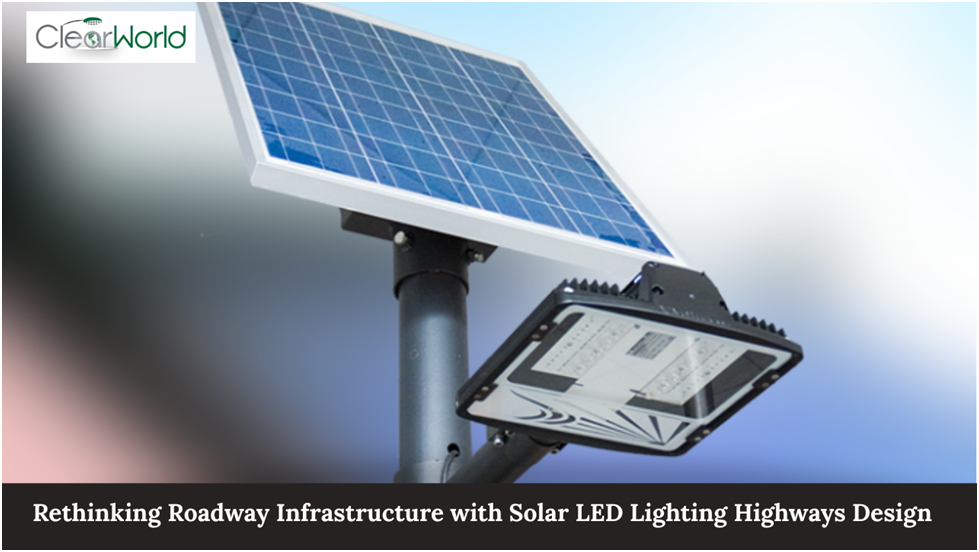
Highway lighting has quietly become one of the most stubborn budget problems a municipality can carry. Crews get dispatched. Cables get swapped out. Energy bills show up like clockwork. And somehow, stretches of road still go dark when it matters. That exhausting cycle is exactly what Solar LED Lighting Highways Designis built to break. By rethinking how roadway illumination gets delivered at the structural level, these systems shift the entire maintenance conversation. This blog walks through what that shift actually looks like on the ground, and why infrastructure planners across the country are giving it serious attention.
How Solar Highway Lighting Changes Municipalities?
Most people drive past a highway light pole and see furniture. Infrastructure managers see a liability with a monthly invoice attached. Every grid-connected pole carries ongoing energy costs, maintenance windows, and a quiet vulnerability to outages that no city can fully control. What makes Solar LED Lighting Highways Design genuinely different is the logic it brings to the same pole. The operational relief that follows is not a marketing claim. It shows up in annual budgets, crew schedules, and service records.
Off-Grid Operation: Running entirely on stored solar energy means the grid simply exits the picture. No utility bills stacking up month after month, and no service interruptions rippling through from grid failures miles away. The highway runs on its own energy cycle, self-contained and steady, regardless of what is happening with the broader power infrastructure.
Retrofit Compatibility: Tearing out an entire highway lighting network is not something most municipalities can realistically budget for. Solar LED systems designed for highway use mount directly onto existing poles, whether those poles are still functioning or have been sitting dark for months. The upgrade happens around what is already there, which keeps project timelines short and costs grounded.
Predictable Maintenance: Grid-tied highway lighting depends on wiring networks that corrode over time, attract theft, and fail under weather conditions. Solar LED units carry their components in a self-contained housing with far fewer moving parts. Maintenance crews move from chasing unpredictable failures to managing a schedule they can actually plan around.
Storm Resilience: Every major storm that knocks out grid power also knocks out grid-dependent highway lighting, usually at the exact moment drivers need it most. Solar LED systems with structurally engineered panel designs keep functioning through outages because they are not waiting on a grid to come back online. They stay lit because they never relied on external power to begin with.
Long-Term Cost Stability: Reactive maintenance spending and energy pricing that shift with the market make it very difficult for highway departments to hold a steady budget. Solar LED highway lighting design removes both variables from the equation. Once installed, energy costs land at zero, and maintenance becomes a scheduled activity rather than an emergency response.
How Solar LED Highway Design Strengthens Roadway Infrastructure Stability
Safety and infrastructure stability are really the same conversation wearing different names. When Solar LED Lighting Highways Design delivers consistent illumination across a highway corridor, drivers make better decisions. They react to real road conditions instead of navigating stretches where the light fades in and out depending on which fixtures are failing that week. And the operational steadiness of these systems gives highway departments something they rarely get from traditional setups: breathing room.
Consistent Illumination
LED fixtures running on solar storage produce uniform light output across long stretches of roadway without the dim patches caused by aging bulb clusters or partially degraded circuits. Either the system is performing at the level it was designed for, or it flags a fault before that fault turns into a visibility problem.
Sensor Integration
Highway solar LED designs now routinely include motion sensing and adaptive dimming. Output lifts when traffic or pedestrian activity is detected and scales back during quieter windows. That dynamic behavior protects battery capacity and keeps performance consistent throughout the full overnight cycle rather than draining reserves by midnight.
Remote Monitoring
Every unit across a highway corridor can be tracked from a single dashboard. Fault conditions surface early, before they become safety incidents. That visibility means maintenance teams spend their hours on planned work rather than reactive calls, and supervisors can account for every light on the network at any given time.
DOT Alignment
Department of Transportation standards for highway lighting cover visibility uniformity, output levels, and performance consistency. Solar LED systems built for highway deployment are engineered to those standards from the initial design phase, not adjusted to meet them at the end of the process.
Phased Deployment
A full highway lighting conversion does not have to happen all at once. Solar LED systems support phased rollouts that let agencies address the most critical corridors first, then expand systematically over subsequent budget cycles. Infrastructure investment scales to what is available rather than requiring a single large commitment.
Highway departments that have moved to Solar LED Lighting Highways Design describe a consistent change in how their teams operate: fewer emergency calls, more scheduled work, and a maintenance calendar that actually reflects reality instead of reacting to it.
Where Is Solar LED Lighting on Highways Design Already Proving Itself?
The true value of solar LED highway designs emerges through practical tests under difficult conditions instead of theoretical showcases. In highways, transport routes, and infrastructure-dependent landscapes, such lighting solutions have already become popular among cities and infrastructure organizations as options for those locations where standard light is costly, unreliable, or hard to maintain. Be it remote stretches of roads, regions affected by natural disasters, or others, solar LED lighting for highways continues to demonstrate how transportation infrastructure can be independent, adaptable, and capable of planning for the future regardless of the conventional electrical grid.
- Remote roads need lighting solutions that work independently without grid extension costs.
- Busy highway intersections need uninterrupted night illumination without regular maintenance outages or electrical issues.
- Regions susceptible to bad weather and natural calamities need light sources that keep working in case of electrical failures or extreme weather.
- Road projects need LED lights that can be installed quickly without utility installation problems.
- Transportation infrastructure that needs roadways before utilities installation can incorporate LED solutions into the plan.
Conclusion
Solar LED Lighting Highways Design is not a surface-level upgrade. It is a different way of thinking about what highway lighting is supposed to do and how it should be managed over the long run. Municipalities and transportation agencies that take this approach stop chasing failures and start running infrastructure with real predictability. Exploring purpose-built solar LED highway lighting services is a practical first step toward that kind of operational stability.