
With a busy work schedule, family demands, and a lot of screen time, it can sometimes be hard to fit in workouts. As a result, it is difficult for many to remain physically active, even though they know how crucial it is. Excessive sitting time can lead to stiffness, fatigue, and mental tiredness over time.
Meanwhile, it’s not always easy to commit to a gym membership or a formal exercise program. As a result, many are considering the role of movement in their day-to-day lives. There is a greater focus on physical activity and wellness in everyday activities. Research is now beginning to recognize ordinary household chores as a meaningful part of daily movement.
This article examines the significance of housework as an important form of everyday physical activity.
1. More People Are Reconsidering Everyday Movement
People are asking all sorts of questions these days on how to keep active, such as does housework count as exercise? People spend substantial time in a seated position throughout the day, particularly during office hours or commuting to work, or when using digital devices. As a result of this sedentary lifestyle, most people do not meet the recommended walking and movement levels.
This change has sparked a broader discussion of alternative ways of engaging in activity. Rather than exercising for a specific amount of time, people now think about getting active all day long.
Housework is a physical activity by definition. Body movement and energy are needed to sweep, vacuum, carry laundry, and clean surfaces. Certain tasks also cause an increase in breathing and heart rate, depending on intensity and duration.
Consequently, household chores are seen more as an integral part of an active lifestyle than as just a chore.
2. Different Household Tasks Create Different Activity Levels
Not every chore has a similar impact on the body. The chores range from easier to moderate to harder (and more coordinated) movements. Knowledge of these differences helps explain why housework is now included in debates on physical activity.
Light-duty tasks are generally tasks with less physical effort and slower movements. Laundry, dishes, or dusting can fall into this category. These activities don’t necessarily increase heart rate, but they do reduce inactive sitting time.
Moderate tasks require more sustained movement. Routine tasks such as vacuuming, mopping, sweeping, and gardening may involve more repetitive movements and increased physical exertion. These activities engage multiple muscle groups and inevitably increase the body’s breathing rate.
Tougher tasks can even be as intense as vigorous. Tasks that involve cleaning floors, moving furniture, cleaning large windows, or yard work involve more strength and stamina. These tasks can more readily increase heart rate and may be more demanding.
3. Housework Supports Low-Impact Physical Activity
Consequently, one reason for the increased attention to housework is its accessibility. For some, exercise may seem daunting, especially for those who are unfit. Household movement, however, is more palatable as it is part of everyday living.
Also, many chores are low-impact activities. This creates an opportunity to increase their heart rate and motivate them to get moving without the added stress on their joints that high-impact exercise can cause.
Sweeping, vacuuming, or light gardening are examples of activities that have continuous motion and do not require repetitive jumping or heavy impacts. These activities can therefore appear more manageable for those looking for more gentle ways of moving.
While low-impact exercise doesn’t offer the same benefits, it can still support wellness with regular practice. Exercise can promote circulation, mobility, muscle development, and mood.
Additionally, some movement during chores can help to avoid stiffness that can result from sitting for long periods. Any movement during the day can help to create an active day.
4. Household Tasks Can Encourage Functional Strength
A structured strength training program is still relevant for long-term fitness. Many of the activities of daily living include functional movement patterns that activate muscles across the entire body.
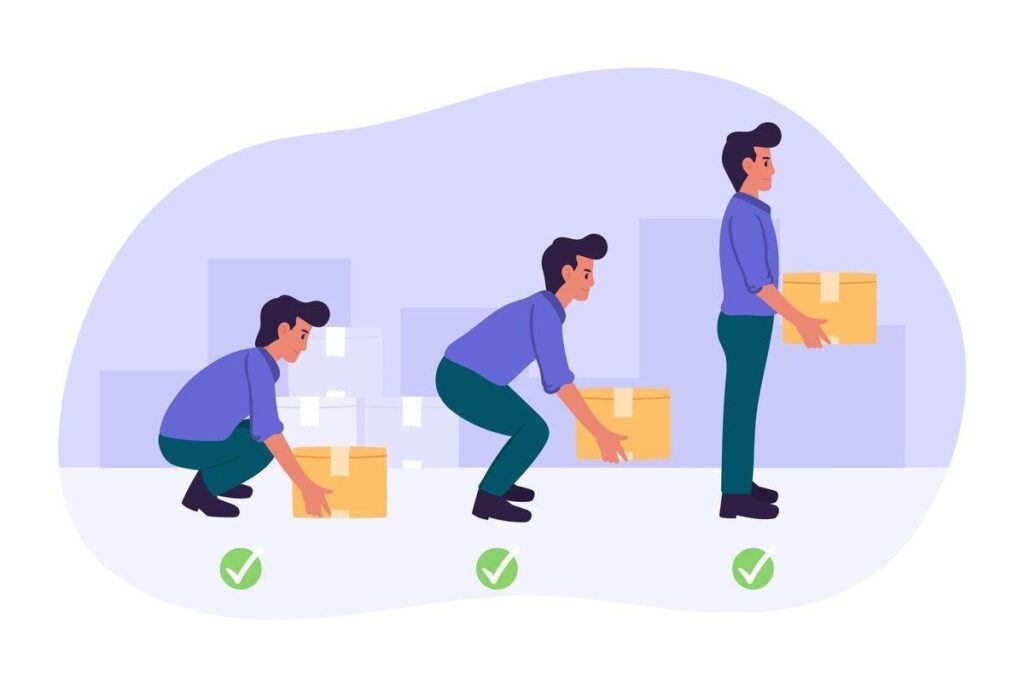
Strength and coordination are needed when lifting laundry baskets, carrying groceries, pushing heavy vacuum cleaners, and moving furniture. These movements involve the arms, shoulders, legs, back, and core.
Also, chores typically require bending, reaching, squatting, and carrying. They are natural movement patterns that can facilitate mobility and body awareness in daily life activities.
Chores are also sometimes made more active by making them faster or incorporating some movement. Lunging or tightening the core during lifting activities, for example, can further engage muscles when vacuuming.
Exercising proper body mechanics is still relevant in these activities. Adopting safe lifting methods and good posture will help to minimize unnecessary strain and increase the efficiency of movement.
5. The Conversation Reflects Changing Views About Wellness
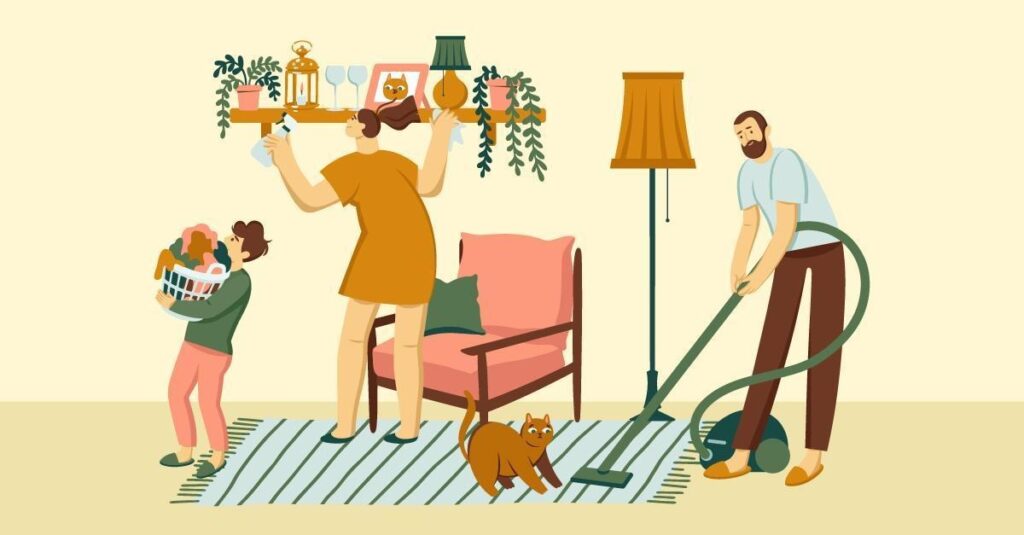
The emphasis on housework and movement indicates a broader shift in the perception of health. A lot of people don’t think of fitness as only being associated with the gym, fitness classes, or a scheduled session.
Rather, the focus of wellness conversations has shifted to being highly consistent, sustainable, and habit-based. Now, the small amount of activity that occurs many times during the day is known to be important.
This approach also contributes to an attitude that reduces the stress associated with an “all or nothing” workout regimen. People might feel better when doing physical activity is realistic and possible in their daily routine.
Moreover, the movement’s participation in housework results in efficiency. The body is still active, and tasks are still completed. This hands-on advantage is particularly attractive to people juggling several tasks.
Meanwhile, experts continue to recommend regular exercise, if possible. Regular exercise remains very important for cardiovascular fitness, strength building, and future fitness.
Final Thoughts
The discussion on domestic chores and exercise continues to gain momentum as individuals seek effective strategies to stay active throughout the day. Household tasks can’t be a substitute for an exercise program, but they can add up to an important part of the daily total. Many of the activities we do, from vacuuming and gardening to lifting and scrubbing, promote circulation, mobility, and muscle stimulation.
Also, many people may feel more comfortable and better able to sustain low-impact activities at home. The topic of wellness is constantly evolving, and day-to-day movements are gaining more attention as integral components of an active lifestyle.