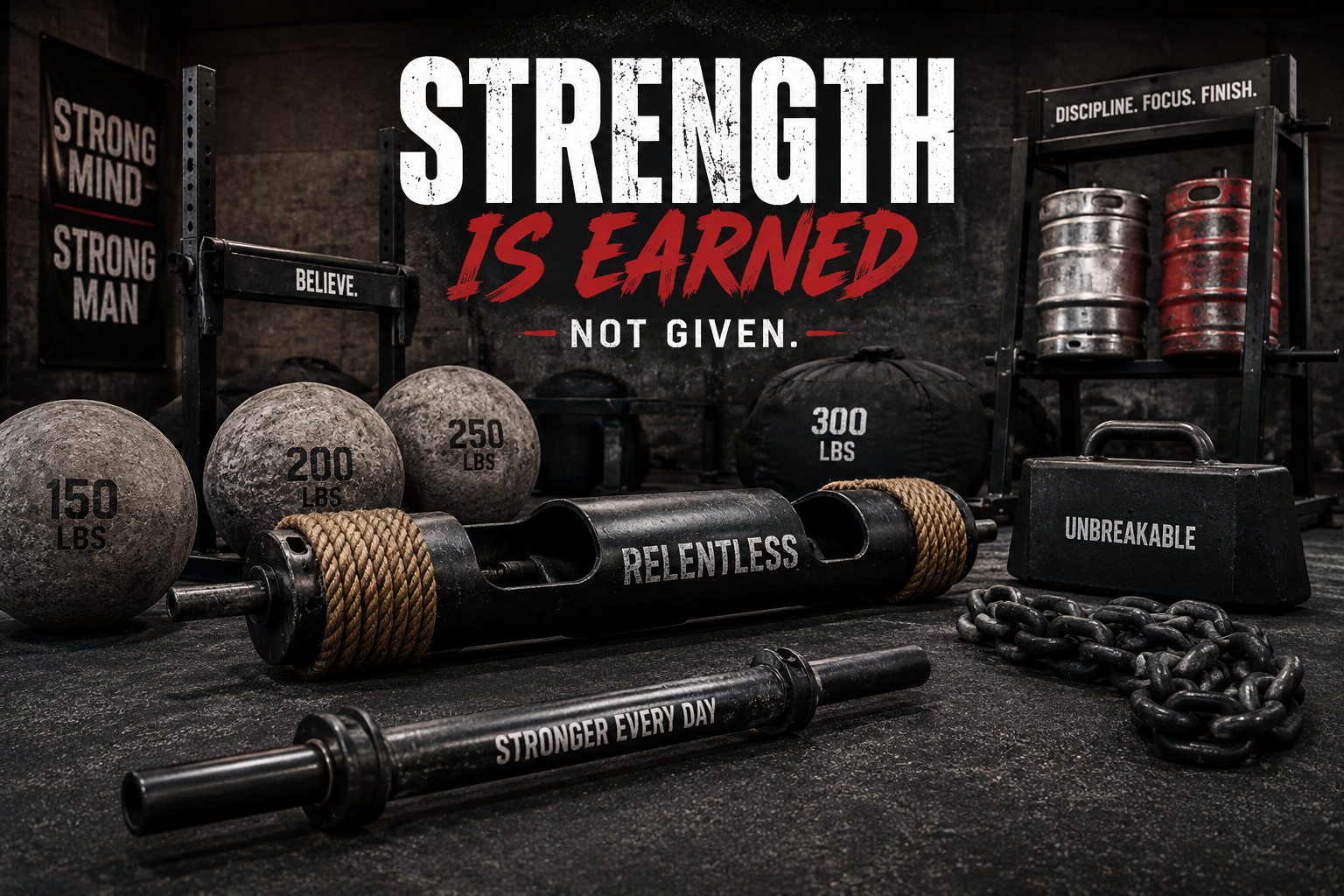
Strength training has pushed far past conventional barbells and plate-loaded machines. Athletes who train for strongman events rely on gear purpose-built for brutal loads, irregular shapes, and constant punishment. The right equipment affects everything from daily progress to injury prevention and long-term savings. With dozens of brands and products competing for attention, separating a solid investment from a regrettable one takes some homework. Here is what every buyer should weigh before committing money to strongman training gear.
1. Material Quality and Build Standards
Everything starts with construction. Strongman implements are dropped, dragged across concrete, and loaded to near-failure on a regular basis. The thickness of the steel, the consistency of the welds, and the type of protective coating all determine how a piece holds up over months of hard use. Powder-coated finishes offer better corrosion resistance than raw metal, and heavier-gauge steel resists warping under maximum loads. Checking the manufacturer’s listed weight capacity is essential. Buying items rated well above current personal records builds in a safety buffer that protects both the lifter and the equipment itself.
2. Fit for Training Goals
Every athlete’s needs look a little different. A competitor preparing for a scheduled contest should match each piece to the event specifications listed on the entry form. Someone focused on general strength development might benefit more from versatile, multi-use implements. Before browsing strongman equipment for sale, it pays to write down the movements and events that occur most often during a typical training block. Atlas stones, logs, yokes, and farmer’s carry handles each fill a distinct role. Directing the budget toward the most frequently used items ensures the money goes where it has the greatest impact.
3. Size and Space Requirements
3.1 Home Gym Considerations
Strongman gear tends to be bulky, heavy, and difficult to tuck into a corner. A yoke frame or a pair of circus dumbbells eats up far more floor area than a standard squat rack. Taking measurements of the available training space before placing an order helps avoid costly surprises. Ceiling height deserves attention too, particularly for overhead log presses or axle work.
3.2 Commercial Facility Needs
Gyms serving strongman athletes need to plan for dedicated drop zones, reinforced flooring, and adequate clearance between stations. Equipment that breaks down quickly or stacks compactly offers real advantages in a shared training environment.
4. Weight Adjustability
Fixed-weight implements are great for competition rehearsal, but adjustable versions stretch the budget further and save storage space. Loadable stones, farmer handles with loading sleeves, and modular yoke systems let users increase resistance gradually. That kind of flexibility suits newer lifters and experienced competitors alike, removing the need for a complete gear overhaul every few months as strength climbs.
5. Grip and Handle Design
Strongman events challenge grip endurance just as much as raw pulling or pressing power. Handle diameter, knurling depth, and surface texture all shape performance on every repetition. A thicker handle ramps up grip demand significantly, while overly aggressive knurling can shred skin during higher-rep training sets. Matching handle specifications to personal grip capacity and preferred training style makes a noticeable difference. Rotating handles on certain farmer carry designs ease wrist strain through turns, adding comfort without reducing the overall challenge.
6. Brand Reputation and Warranty
Manufacturers with a proven track record tend to deliver tighter quality control and more responsive support after the sale. Scanning reviews from verified buyers often reveals patterns around product durability, shipping damage, and how quickly the company resolves issues. A strong warranty reflects the maker’s confidence in its own product. Coverage that addresses weld failures and structural defects provides genuine reassurance, especially on premium items like competition logs or adjustable yokes.
7. Price Versus Long-Term Value
Affordable options exist at every price point, but the cheapest pick frequently costs more over time through early replacements or repairs. Comparing price per kilogram of rated capacity, finish durability, and any included accessories paints a more honest picture of what each product truly costs. Spending a bit more on a well-constructed piece sidesteps the frustration of bent loading sleeves, flaking coatings, or cracked welds after just a few months of regular use.
8. Shipping and Delivery Logistics
Oversized, heavy items often carry steep freight charges that catch buyers off guard. Some retailers bundle shipping into the sticker price, while others tack it on at checkout. Lead times, packaging quality, and available carrier options also shape the overall buying experience. Reviewing the return policy before placing an order offers protection if a product arrives damaged or does not match its listing.
Conclusion
Purchasing strongman training gear requires more consideration than simply clicking the first result in a product search. Construction quality, available space, adjustability, handle design, and post-purchase support each factor into a sound decision. Weighing these elements against personal goals and a realistic budget keeps spending focused and results on track. A thoughtful, well-researched approach means every piece earns its spot in the gym and stands up to years of demanding training.