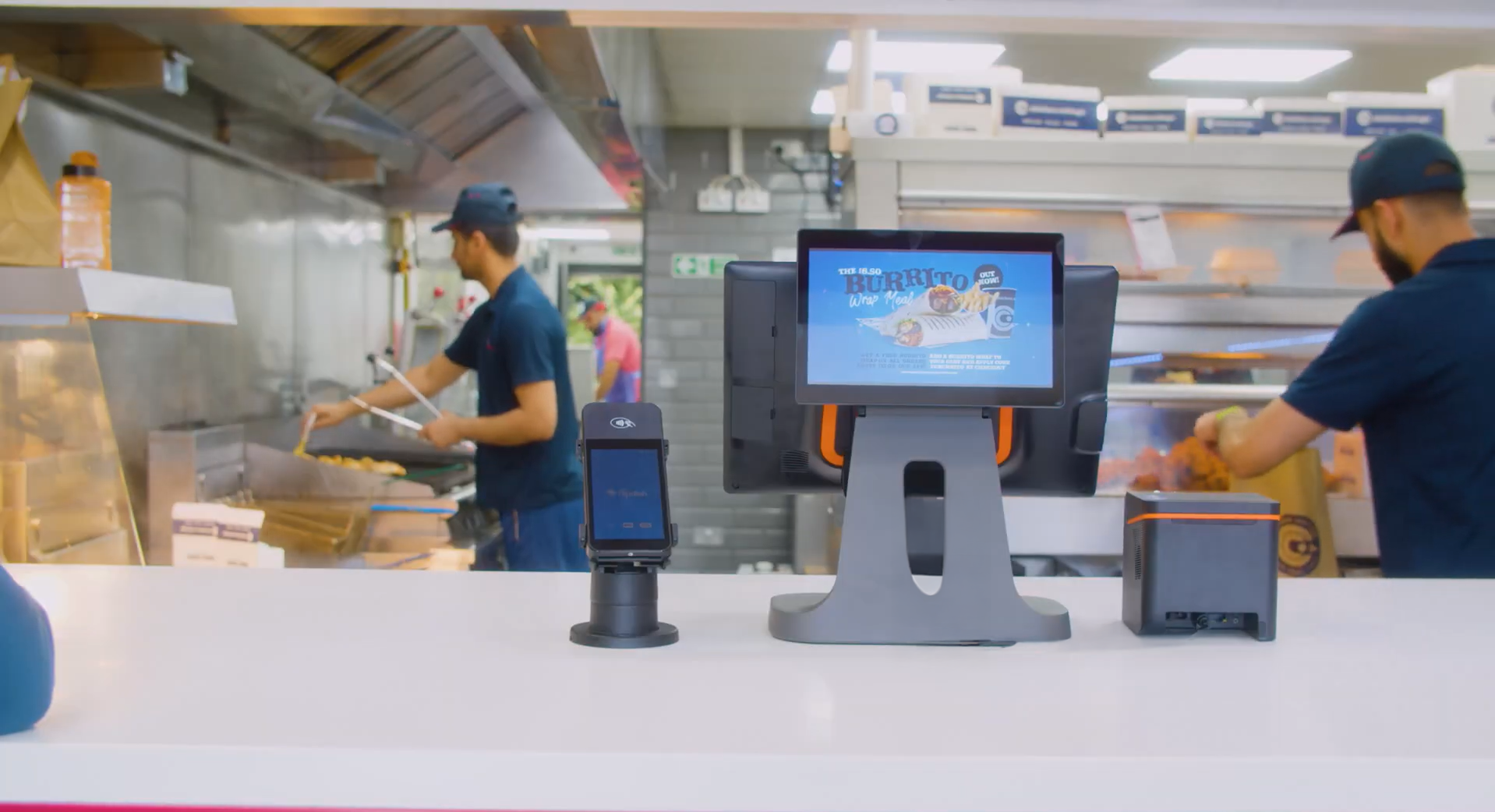
A frozen till screen during a Saturday dinner rush is one of the most stressful moments in hospitality. Orders stop moving, the queue backs up, and staff end up taking payments on paper while apologising to customers who just wanted their food. It only takes a few minutes of downtime to turn a good shift into a bad one, and for many restaurants it happens more often than anyone would like to admit.
This is why more operators are taking a harder look at their restaurant POS system and asking a question that used to feel secondary: what happens when it goes down, and how often does that actually occur.
Downtime Is Rarely Just a Few Minutes
The obvious cost of a POS outage is the sales lost while the system is unusable. The less obvious cost is everything that happens around it:
- Staff have to fall back on manual order-taking, which slows down every table and increases mistakes
- Kitchen tickets get delayed or duplicated, leading to wasted food and confused prep timing
- Card payments may need to be taken through a backup method, which is often slower and less secure
- Customers waiting longer than expected are less likely to return, regardless of how good the food was
None of this shows up neatly on a balance sheet, which is part of why downtime tends to be underestimated. Industry estimates suggest restaurants can lose 15 to 25 percent of potential revenue during an unplanned outage once walkouts, cancellations, and reduced throughput are all accounted for. It is only when an operator adds up a bad Friday night, a missed delivery window, and a handful of refunded orders that the real scale of the problem becomes clear.
Why Legacy Systems Struggle Here
Older, on-premise POS setups often depend on a single local server sitting in a back office. If that server fails, or the internet connection drops, the whole system can go down with it. There is usually no redundancy built in, so one point of failure is enough to stop service completely.
Cloud-based systems are built differently. Orders and payments are processed through infrastructure designed to stay available even if one part of the chain has an issue, and many can continue taking orders locally for a short period if connectivity drops, syncing everything back up once it returns. That difference in design is often the gap between a five-minute hiccup and a lost hour of service.
What Operators Should Actually Be Asking
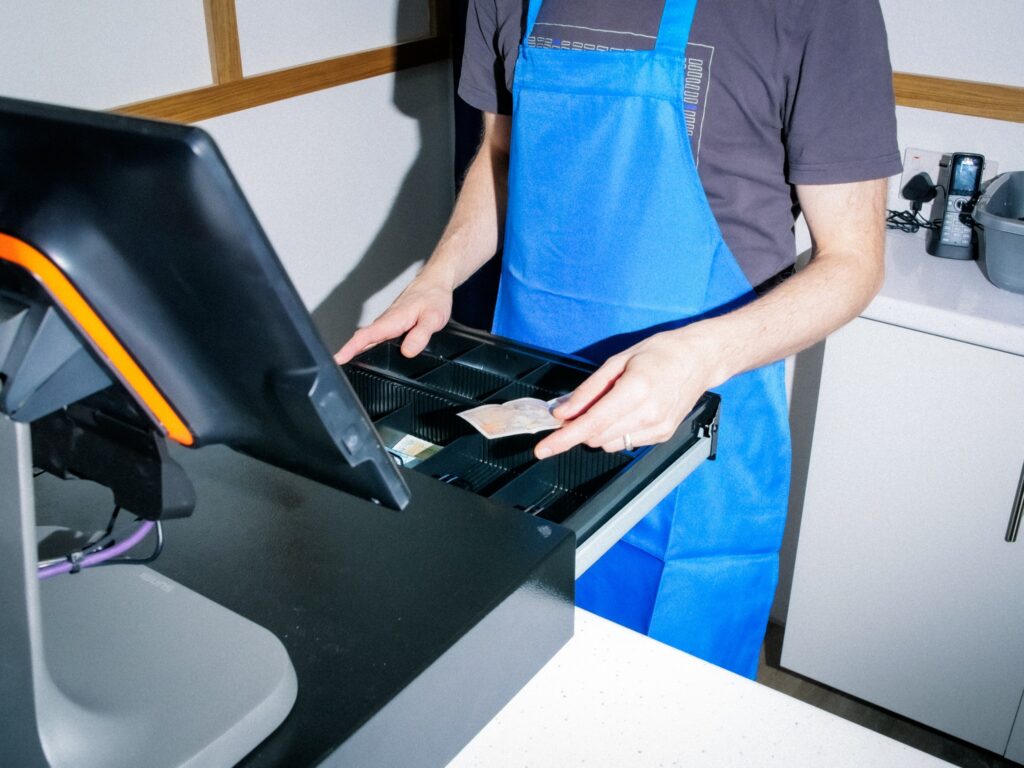
Reliability is not something most restaurants think to ask about until after they have been burned by it. Questions worth raising with any POS provider include how the system behaves during an internet outage, what backup options exist for taking payments, and how quickly support can be reached during service hours rather than office hours.
It is also worth checking what actually happens to orders placed in the moments just before or during an outage. Losing a handful of orders during a busy period is a very different problem to simply pausing new orders until service resumes.
A Small Investment Against a Recurring Risk
Switching POS systems can feel like a disruptive project, so it is easy to put off until something breaks badly enough to force the decision. But reliability is one of those areas where the cost of prevention is small compared to the cost of an unplanned outage during a fully booked Saturday night.
For an industry where margins are tight and reputations are built on consistency, a POS system that simply keeps working is not a luxury feature. It is one of the more overlooked forms of protection a restaurant can put in place.