AI avatar livestream platforms are changing how US creators, educators, marketers, and small businesses produce video content. Instead of appearing on camera every day, creators can use digital avatars to present ideas, explain products, answer common questions, and build a more consistent online presence.
An AI avatar livestream platform lets creators use digital avatars to present content, interact with audiences, and publish videos without appearing on camera every time. This makes video creation faster, more scalable, and easier for people who want to stay active on platforms like YouTube, TikTok, Instagram, Facebook, and other social channels.
For creators in the United States, where video content is highly competitive, AI avatar tools can help reduce the pressure of recording, editing, and publishing manually every day.
What Is an AI Avatar Livestream Platform?
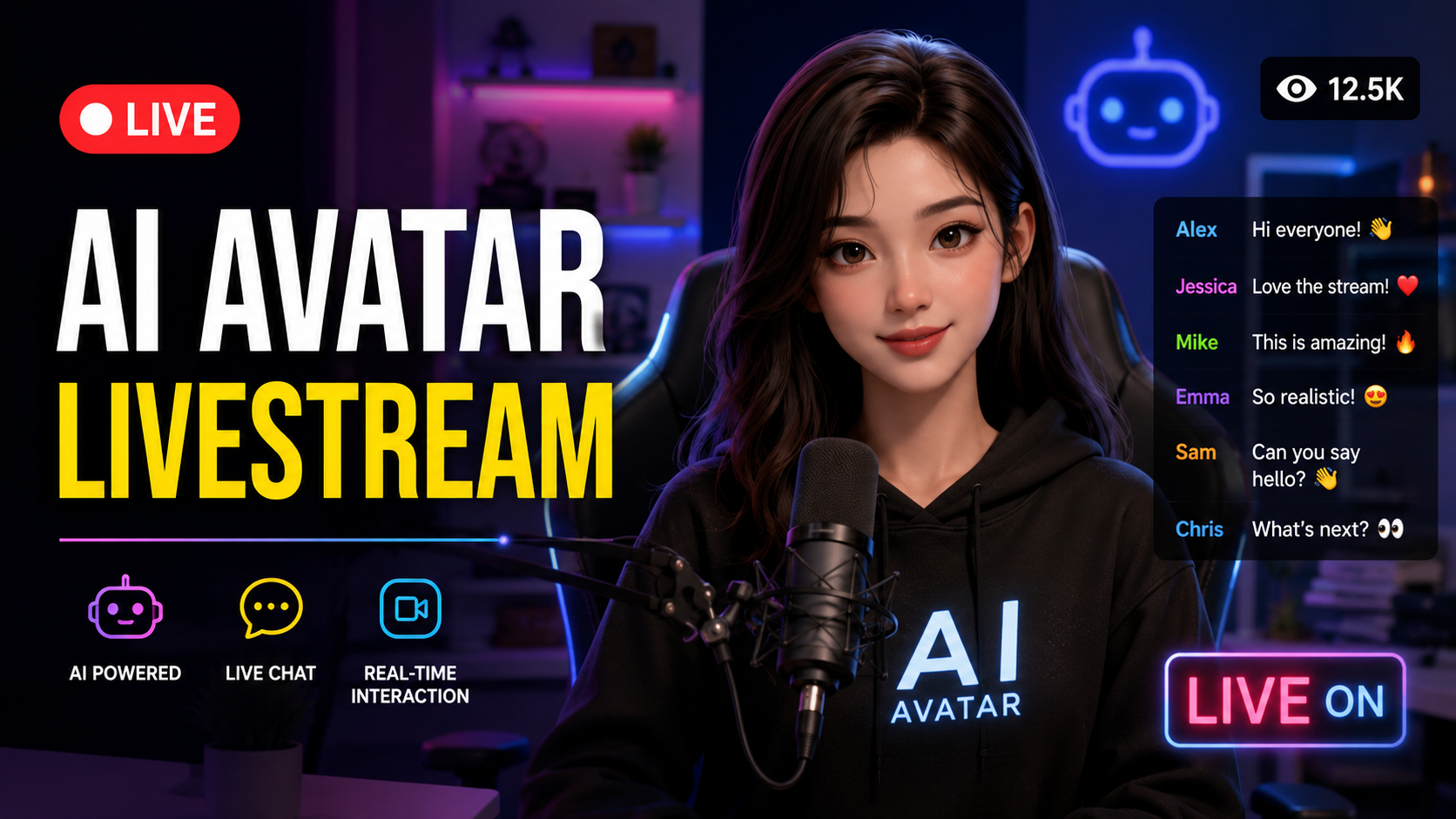
An AI avatar livestream platform is a tool that allows users to create a digital version of a presenter, host, or character that can speak, explain, and appear in video or livestream-style content.
These platforms usually combine AI video generation, talking avatars, text-to-speech, script-based video creation, and creator-focused workflows. The goal is simple: help users turn written ideas into video content without needing a full camera setup, studio, or production team.
For example, a creator can write a short script, choose or create an avatar, generate a talking avatar video, and use that content for education, marketing, entertainment, product updates, or social media posts.
Why US Creators Are Using AI Avatars
US creators are under pressure to publish more content across more platforms. A single creator may need content for YouTube Shorts, TikTok, Instagram Reels, Facebook videos, newsletters, landing pages, and product explainers.
This creates a major problem: video takes time.
Creators often deal with:
- Camera setup
- Script writing
- Lighting
- Recording mistakes
- Editing
- Voiceovers
- Retakes
- Posting schedules
- Audience engagement
AI avatar video tools help reduce some of this workload. Instead of recording every video manually, creators can use an avatar to present content from a script.
This does not replace creativity. It supports the creator’s workflow and helps them stay consistent.
How AI Avatar Livestreams Help Content Creation
AI avatar livestreams are useful because they make video production more flexible. A creator does not always need to be physically present on camera to deliver a message.
This is especially helpful for:
- YouTube creators who publish educational videos
- TikTok creators who need short-form content
- Coaches and educators who create lesson-based videos
- SaaS companies that need product explainers
- Agencies that manage content for clients
- Small businesses that want regular video updates
- Founders who want to communicate without filming daily
AI avatar platforms can help creators create content from scripts, FAQs, blog posts, product updates, and social media ideas.
AI Avatar Videos vs Traditional Video Recording
Traditional video recording gives a strong human connection, but it can be slow. It requires time, energy, confidence, equipment, and editing.
AI avatar videos are different. They are faster to produce and easier to scale.
Traditional video is best when personal trust and real human presence are important. AI avatar videos are useful when creators need repeatable, educational, or informational content at scale.
A balanced creator workflow may use both:
- Real videos for personal brand content
- AI avatar videos for explainers, FAQs, tutorials, updates, and repetitive content
This makes AI avatar platforms a practical addition to modern content creation.
Use Cases for AI Avatar Livestream Platforms
AI avatar livestream platforms can be used in many ways.
1. Educational Content
Teachers, course creators, and online educators can turn lessons into talking avatar videos. This helps them explain topics without recording the same lesson multiple times.
2. Product Explainers
SaaS companies and digital product teams can use AI avatars to explain features, onboarding steps, and product benefits.
3. Social Media Videos
Creators can turn scripts into short avatar videos for TikTok, YouTube Shorts, Instagram Reels, and Facebook.
4. Livestream-Style Content
AI avatars can be used as digital hosts for livestream-style content, product announcements, creator updates, and audience engagement formats.
5. Faceless Content Creation
Some creators prefer not to show their face. AI avatars provide a way to create face-on-camera style content while keeping personal privacy.
Where VlogMe.ai Fits In
VlogMe.ai is an AI avatar video and livestream platform for creators, educators, marketers, and brands. It helps users turn photos and scripts into talking avatar videos and livestream-style avatar content.
The platform is built around the idea that creators should be able to produce more video content without needing to record themselves every time. This makes it useful for social media videos, educational content, marketing explainers, creator updates, and avatar-based livestream workflows.
For creators who want to publish consistently, tools like VlogMe.ai can help reduce production time and make AI avatar content easier to manage.
Why AI Avatar Content Matters for the Future
AI avatar content is becoming more important because online audiences expect more video from brands and creators. At the same time, creators need tools that reduce production pressure.
AI avatars help solve this gap by making video creation faster and more repeatable.
This is especially valuable for creators who want to:
- Publish more often
- Test more content ideas
- Create faceless videos
- Build educational content
- Repurpose written content into video
- Create video without a studio
- Make livestream-style content easier
As AI video quality improves, avatar-based content will likely become a normal part of creator workflows.
Best Practices for Using AI Avatar Platforms
AI avatar videos work best when they are used with a clear strategy. The avatar should support the content, not make it feel robotic or generic.
Creators should focus on:
- Writing natural scripts
- Keeping videos short and useful
- Matching avatar style with the audience
- Using clear voice narration
- Adding captions
- Creating helpful educational content
- Avoiding over-promotional messaging
- Mixing AI avatar content with real human content
The strongest results come when AI avatars are used to make content more useful, not just faster.
Final Thoughts
AI avatar livestream platforms are giving US creators a new way to create consistent video content without being on camera every day. They help reduce production time, support faceless content, and make it easier to turn scripts, ideas, and product messages into video.
For creators, educators, marketers, and businesses, AI avatar tools can become an important part of the content workflow. As video demand continues to grow, platforms like VlogMe.ai can help creators stay active, publish more often, and build stronger digital communication with less manual recording.
FAQs
What is an AI avatar livestream platform?
An AI avatar livestream platform is a tool that lets users create digital avatars that can speak, present content, and support livestream-style video experiences.
Can AI avatars help creators make videos faster?
Yes. AI avatars can help creators turn scripts into videos without recording themselves every time.
Are AI avatar videos useful for YouTube and TikTok?
Yes. AI avatar videos can be used for YouTube Shorts, TikTok videos, explainers, tutorials, social media posts, and faceless content.
Who can use AI avatar video tools?
Creators, educators, marketers, agencies, SaaS companies, and small businesses can use AI avatar tools to create video content.
Do AI avatars replace real creators?
No. AI avatars do not replace creators. They help creators produce more content and reduce repetitive recording work.