Leasing vs. Purchasing Equipment
When a business needs new gear, they’ve got a couple of main paths to consider: buying it outright or leasing it. Buying means the equipment is yours from day one. You own it, you can use it however you want, and when it’s old, you can sell it. This path often requires a bigger upfront cash payment, though, or a loan that ties up your credit line. It’s a solid choice if you plan to use the equipment for a long time and want full control.
Leasing, on the other hand, is more like renting for an extended period. You make regular payments to use the equipment, but you don’t own it. This usually means lower monthly payments and less cash needed upfront, which can be great for managing cash flow. At the end of the lease, you typically have options like returning the equipment, buying it, or leasing something new. It’s a flexible way to get access to the latest tech without the long-term commitment of ownership.
Choosing between leasing and purchasing really comes down to your business’s financial situation and how you plan to use the equipment. If preserving cash is key and you like having options at the end of a term, leasing might be the way to go. If you want to build equity and have complete control over your assets, purchasing could be a better fit. Both are valid forms of equipment financing, just serving different business needs.
Fair Market Value Leases vs. $1 Purchase Option Leases
Within equipment leasing, there are different structures, and two common ones are Fair Market Value (FMV) leases and $1 Purchase Option leases. An FMV lease is popular because it often has lower monthly payments. At the end of the lease term, you have a few choices: you can return the equipment, renew the lease, or buy it for its fair market value at that time. This gives you flexibility and can be good for equipment that might become outdated quickly.
A $1 Purchase Option lease, sometimes called a buyout lease, is structured so that at the end of the lease, you can buy the equipment for a nominal amount, usually just one dollar. This means you’re essentially planning to own the equipment from the start. Because the lender knows you’ll likely end up owning it, the monthly payments are typically higher than with an FMV lease. However, you get the benefit of knowing you’ll own the asset outright for a very low price.
The choice between these lease types often hinges on your long-term plans for the equipment. If you’re unsure if you’ll keep it or want the option to upgrade, FMV might be better. If you know you want to own it and get the tax benefits of ownership, a $1 buyout lease could be the right equipment financing solution.
Capital Leases vs. Operating Leases
When looking at equipment financing, you’ll also encounter the terms ‘capital lease’ and ‘operating lease’. These terms are accounting classifications that affect how the lease appears on your company’s balance sheet. A capital lease is treated much like a purchase; the asset and the liability are recorded on your balance sheet. It’s essentially a way to finance the purchase of an asset over time.
An operating lease, on the other hand, is treated more like a rental agreement. The asset and liability generally don’t appear on your balance sheet, keeping your reported debt lower. These leases are often shorter-term and don’t typically include a bargain purchase option at the end. The key difference is how the lease impacts your financial statements and tax reporting.
Understanding these distinctions is important because they can influence your company’s financial ratios and tax obligations. For instance, a capital lease might allow for depreciation deductions, while an operating lease’s payments are usually treated as operating expenses. Talking with your accountant about how each type of equipment financing aligns with your business goals is a smart move.
Preparing Your Financial Documentation
Getting your financial documents in order is a big step before applying for equipment financing. Lenders need to see a clear picture of your business’s financial health. This means having your paperwork ready to go.
Reviewing Personal and Business Credit Reports
Before you even think about applying, take a look at your credit reports. Both your personal credit and your business credit matter. A good credit history shows lenders you’re reliable with payments. If there are any issues, like late payments, be ready to explain them. It’s better to know what’s on there beforehand so you can address it.
Gathering Key Financial Statements
Lenders will want to see your financial statements. This usually includes your balance sheet, income statement, and cash flow statement. These documents show your assets, liabilities, profitability, and how cash moves through your business. Having recent bank statements and a schedule of your current debts is also important. This financial documentation helps paint a full picture.
Organizing Equipment Quotes and Invoices
Make sure you have detailed quotes for the equipment you want to finance. These should include specifications and the total cost. If you’ve already made a down payment, have that invoice ready too. This shows the lender exactly what you’re looking to finance and helps them determine the loan amount. Having these organized makes the application process smoother.
Demonstrating Your Business’s Viability
Lenders want to see that your business is stable and has a good chance of success. This means showing them you know how to run things and that the new equipment will help you do even better. It’s about painting a clear picture of your company’s health and future.
Articulating the Benefit of New Equipment
Think about why you need this specific equipment. How will it make your business run smoother, faster, or more efficiently? Will it help you serve more customers, produce higher quality goods, or reduce operating costs? Clearly explaining the positive impact the equipment will have is key. For instance, a bakery might explain how a new industrial oven will increase their daily bread output by 50%, allowing them to take on larger wholesale orders and significantly boost revenue. This shows a direct return on investment for the financing.
Presenting a Comprehensive Business Plan
Even if your business has been around for a while, a solid business plan shows you’re thinking ahead. It should outline your company’s goals, strategies for achieving them, and how the new equipment fits into that picture. For newer businesses, this document is even more critical. It acts as a roadmap, demonstrating foresight and a clear understanding of the market and your place within it. A well-structured plan helps lenders see the potential for growth and profitability.
Explaining Your Business’s Operational History
Lenders look at how long your business has been operating and how it has performed. A longer operational history often suggests stability. If your business is newer, or has undergone significant changes like a change in ownership or a major expansion, you’ll need to provide extra documentation. This might include bank statements or detailed financial statements to prove your ability to manage finances and operations effectively. Showing a consistent ability to meet obligations is a strong indicator of business viability.
Navigating the Application Process
Choosing the Right Equipment Financing Provider
Finding the right place to get your equipment financing is a big step. It’s not just about walking into the first bank you see. Different providers have different rules, different rates, and different ideas about who they want to lend to. Some might be great for a brand-new startup, while others focus on established businesses with a long track record. It pays to do a little homework here. Think about what kind of business you run and what your financial situation looks like. This will help you narrow down the options. Don’t just assume your current bank or the equipment maker’s own finance company will give you the best deal. It’s worth shopping around a bit to see what’s out there.
Understanding Application Requirements
Once you’ve picked a potential lender, you need to know what they’ll ask for. This isn’t a one-size-fits-all situation. Some lenders, especially for smaller amounts, might just need a simple application. Others, for bigger purchases, will want a stack of documents. This usually includes financial statements like your balance sheet and income statement, tax returns from the last few years, and bank statements. They’ll also want details about the equipment itself, like quotes or invoices. Being prepared with all these documents upfront can really speed things up. It shows you’re serious and organized.
Submitting a Single, Well-Prepared Application
Here’s a tip that many people overlook: try to submit just one application, but make sure it’s a good one. Sending out multiple applications to different places all at once can actually hurt your chances. Lenders see those multiple inquiries and might wonder why you’re applying everywhere. It can make them think other places turned you down. So, take your time, pick the provider that seems like the best fit, and put together your best application. Make sure all the information is accurate and complete. A well-organized application for equipment financing shows you’re a responsible business owner, which is exactly what lenders want to see.
Evaluating Loan and Lease Terms
Comparing Rates, Fees, and Lease Terms
When looking at equipment financing, the terms are what really matter. It’s not just about the monthly payment. You need to look at the whole picture. This means comparing the interest rates on loans and the implied rates in leases. Also, watch out for hidden fees. Some lenders might add origination fees, late fees, or even early termination fees. These can add up quickly.
Lease terms can vary a lot. Some might be for a few years, while others could be much longer. The length of the lease term affects your monthly payment and how long you’re committed to that specific equipment. It’s important to match the lease term to the expected useful life of the equipment. If you lease something that becomes outdated fast, a long lease term could be a problem. Always ask for a clear breakdown of all costs involved in the equipment financing agreement.
It pays to shop around. Don’t just go with the first provider you talk to. Different companies will offer different rates and terms. You might find a better deal if you compare offers from several equipment financing providers. This comparison is key to getting the best value for your business.
Understanding End-of-Lease Options
What happens when the lease is up? This is a big question for any business owner. Most lease agreements will spell out your options. You might be able to buy the equipment, extend the lease, or simply return it. Some leases require you to give notice months before the lease ends, so pay attention to those deadlines.
If you’re thinking about buying the equipment, look for a lease with a purchase option. There are different kinds, like a fair market value (FMV) option or a $1 purchase option. An FMV lease lets you buy it at its market value at the end, while a $1 option means you pay just a dollar. The monthly payments might be higher with a $1 option, but you know you’ll own it outright.
Be aware of any return conditions. Some leases might have fees if you return the equipment, or they might limit your choices. Make sure you understand these end-of-lease terms before you sign anything. This knowledge helps you plan for the future of your equipment.
Considering Customized Repayment Solutions
Not all businesses operate on the same schedule. That’s why customized repayment solutions can be a lifesaver. Standard monthly payments might not work for seasonal businesses or those with fluctuating revenue. Some lenders can adjust your payment schedule to better fit your cash flow.
For example, a business that makes most of its money in a few months might arrange for higher payments during those peak times and lower payments during slower periods. This flexibility can make it easier to manage your finances and avoid missing payments. It shows that the equipment financing provider is willing to work with you.
When discussing terms, ask about these options. Can they structure payments to align with your business cycle? This kind of tailored approach can make a big difference in the success of your equipment financing. It’s about finding a plan that truly supports your business operations.
Maximizing Tax Advantages
Exploring Section 179 Tax Deductions
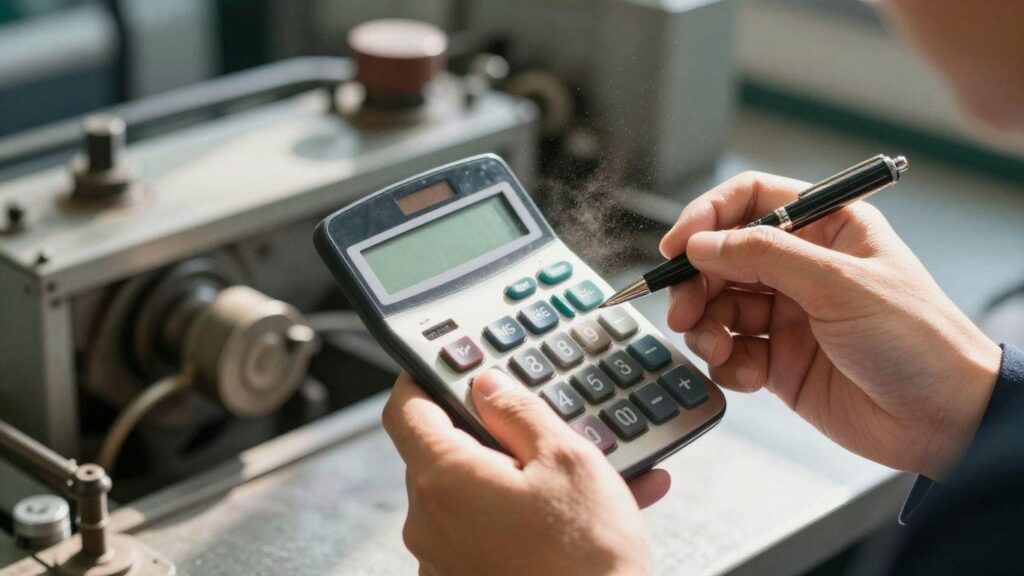
Section 179 tax deductions offer a significant way for businesses to reduce their tax burden when acquiring new equipment. This deduction allows businesses to write off the full purchase price of qualifying equipment in the year it’s placed in service, rather than depreciating it over several years. This can lead to immediate savings, improving cash flow. It’s important to note that Section 179 applies to tangible business property, including machinery, computers, and off-the-shelf software.
To qualify for Section 179, the equipment must be purchased for business use and have a useful life of more than one year. There are annual limits on the total amount that can be expensed under Section 179, and these limits can change. Businesses should consult with a tax professional to confirm current limits and ensure their equipment purchases meet all eligibility requirements for this valuable tax deduction.
This tax strategy can make a big difference in the overall cost of acquiring necessary business assets. By understanding and utilizing Section 179, owners can make more informed decisions about equipment financing and potentially save a substantial amount on their tax bills. It’s a key consideration when evaluating the financial impact of new equipment.
Understanding Tax Benefits of Different Lease Types
When considering equipment financing, the type of lease can also impact tax benefits. Operating leases, often used for equipment with shorter lifespans or frequent upgrade cycles, allow businesses to deduct the full lease payments as a business expense. This can simplify tax preparation and provide predictable deductions.
Capital leases, on the other hand, are treated more like a purchase. While you don’t deduct the lease payments directly, you can typically claim depreciation on the equipment. The choice between an operating lease and a capital lease often depends on the business’s long-term plans for the equipment and its overall tax strategy. Consulting with a tax advisor is recommended.
The tax implications of equipment financing are complex. Always seek professional advice to ensure you are making the most tax-efficient choices for your specific business situation. Understanding these benefits is key to maximizing your return on investment.
Here’s a quick look at how lease types can affect tax benefits:
- Operating Lease: Deductible lease payments as a business expense.
- Capital Lease: Potential to claim depreciation on the equipment.
- Fair Market Value Lease: Often offers flexibility and potential tax advantages, but specifics vary by contract.
Carefully reviewing lease terms and discussing them with a tax professional will help business owners make the best decision for their financial health. Maximizing tax advantages is a smart move for any business owner looking to acquire new equipment.
Wrapping Up Your Equipment Financing Journey
So, getting the right equipment for your business is a big deal, and figuring out how to pay for it can feel like a lot. But really, it just comes down to being prepared. Knowing your numbers, getting your paperwork in order, and understanding the different financing options out there makes a huge difference. Don’t just jump into the first offer you see; take a little time to shop around and compare. By doing your homework beforehand, you’ll be in a much better spot to get the financing you need to keep your business running smoothly and growing.