Introduction
Kitchen design has shifted dramatically in recent years as homeowners look for ways to make smaller spaces feel open, functional, and visually appealing. Whether renovating a compact apartment, updating a condo, or maximizing storage in a family home, every inch of cabinet and countertop space matters. At the same time, proper kitchen ventilation remains essential for removing smoke, grease, odors, and excess heat generated during everyday cooking. Balancing efficient ventilation with a streamlined design has become a priority for many modern kitchens.
A low-profile range hood has emerged as a practical solution that addresses both needs. Its slim design helps preserve valuable space without sacrificing the ventilation needed for daily cooking tasks. Advances in fan technology, lighting, and filtration have also made these compact hoods more capable than many homeowners expect. In this guide, you’ll learn how low profile range hoods work, why they are becoming increasingly popular, and what factors to consider before deciding if one is the right fit for your kitchen.
What Is a Low Profile Range Hood?
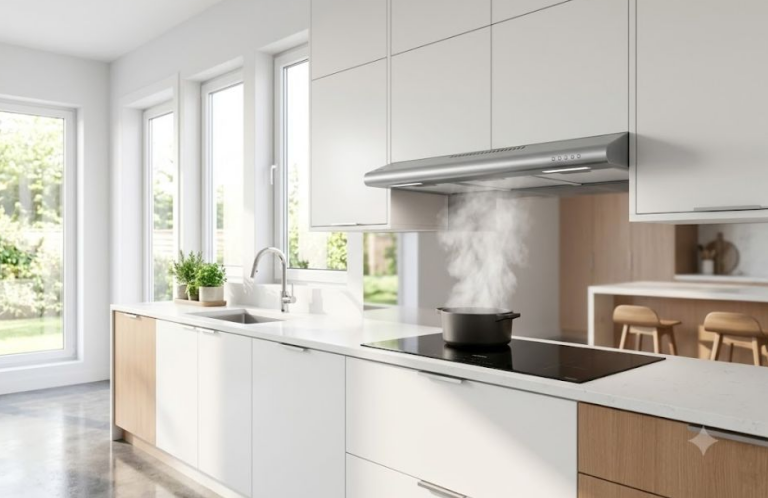
A low profile range hood is a compact kitchen ventilation system designed to remove smoke, steam, grease, odors, and airborne particles while taking up minimal space beneath overhead cabinets. Unlike large chimney-style range hoods that become a focal point in the kitchen, low profile models feature a slim, streamlined appearance that blends naturally into modern cabinetry. Their space-efficient design makes them especially suitable for kitchens where maintaining an open, uncluttered look is a priority.
Most low profile range hoods are available in common widths such as 24, 30, and 36 inches to match standard cooktops. Depending on the kitchen layout, they may be installed as either ducted systems that vent air outdoors or ductless models that use charcoal filters to recirculate cleaned air back into the room. Many also include LED lighting, multiple fan speeds, and removable grease filters, offering practical everyday performance while maintaining a discreet appearance.
Why Low Profile Range Hoods Are Becoming More Popular
Modern kitchens increasingly emphasize efficiency, clean lines, and smarter use of available space. As open-concept layouts, apartments, and smaller homes become more common, homeowners are choosing appliances that deliver reliable performance without dominating the room visually. Low-profile range hoods fit naturally into this design trend by combining effective kitchen ventilation with a compact, minimalist appearance. Their ability to preserve cabinet space while complementing contemporary interiors has made them an increasingly popular choice for both new kitchen designs and renovation projects.
Modern appliance technology has also contributed to their growing appeal. Many newer models offer improved airflow, quieter operation, energy-efficient LED lighting, and easier-to-clean filters compared with older compact ventilation systems. Instead of choosing between appearance and performance, homeowners can often enjoy both in a single appliance. As more people invest in kitchens that are practical, comfortable, and visually cohesive, low-profile range hoods continue to gain attention as a balanced solution for everyday cooking needs.
Are Low Profile Range Hoods Powerful Enough?
One of the most common questions homeowners ask is whether a slim ventilation system can effectively handle cooking smoke and odors. In many cases, the answer is yes. A well-sized low profile range hood can provide excellent performance for everyday cooking tasks such as boiling, sautéing, baking, and light frying. The key is selecting a model with an appropriate airflow rating, often measured in cubic feet per minute (CFM), that matches both the size of your kitchen and your cooking habits.
Performance depends on more than the hood’s appearance. Ducted models generally deliver stronger ventilation because they exhaust air outside, while ductless versions rely on grease and charcoal filters to clean and recirculate air. Households that frequently prepare high-heat meals, stir-fries, or grilled foods may benefit from higher CFM ratings and proper ducted installation. Rather than assuming every slim hood performs the same, it’s important to compare specifications, installation requirements, and ventilation capacity before making a decision.
Key Benefits of a Low Profile Range Hood
Saves Valuable Kitchen Space
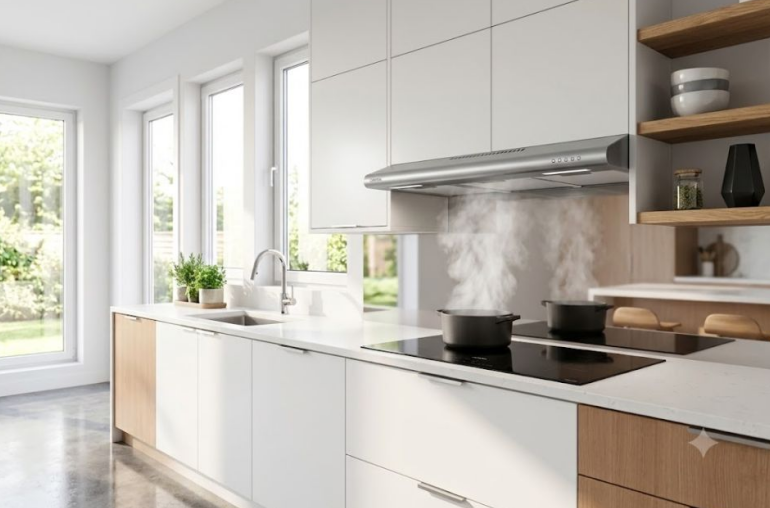
One of the biggest advantages of a low profile range hood is its ability to maximize usable space. Its compact design leaves more room beneath overhead cabinets, creating a less crowded appearance while preserving valuable storage. This makes it especially beneficial in apartments, condos, and kitchens where every inch counts.
Creates a Cleaner, Modern Appearance
A slim ventilation system blends naturally with contemporary cabinetry and minimalist kitchen designs. Instead of becoming the room’s visual centerpiece, it provides a streamlined look that complements other appliances and finishes. Many homeowners appreciate how this subtle design helps the kitchen feel brighter, more open, and less cluttered without compromising everyday functionality.
Improves Indoor Air Quality
Effective kitchen ventilation plays an important role in maintaining healthier indoor air. By helping remove grease particles, cooking odors, excess moisture, and airborne pollutants, a properly selected low-profile range hood contributes to a cleaner and more comfortable cooking environment for everyone in the home.
Operates More Quietly (Model Dependent)
Many modern low profile range hoods are designed with improved motor technology that helps reduce operating noise, particularly at lower fan speeds. While sound levels vary between models, a quieter ventilation system can make conversations, family meals, or entertaining guests more enjoyable. Checking the manufacturer’s noise rating alongside airflow performance can help you find a better balance between effective ventilation and everyday comfort.
Easier Cleaning and Maintenance
Most low profile range hoods include removable grease filters that can be cleaned regularly, helping maintain consistent airflow and reduce grease buildup. Ductless models also require periodic charcoal filter replacement to control odors effectively. Keeping filters clean not only improves performance but may also extend the appliance’s lifespan.
Energy-Conscious Operation
Many newer models feature energy-efficient LED lighting and motors designed to provide effective ventilation while using less electricity than older systems. Although energy savings vary by model, efficient operation can contribute to lower household energy use over time.
Low Profile Range Hood vs. Traditional Range Hood
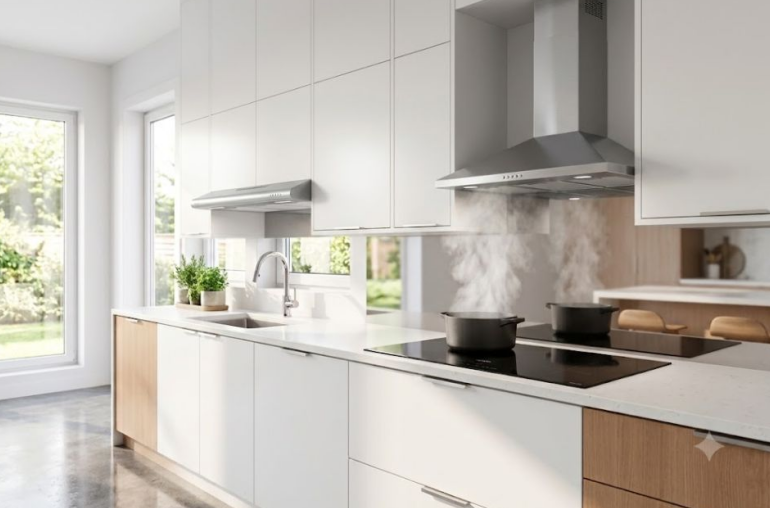
Both low profile and traditional range hoods improve kitchen ventilation, but they suit different kitchen layouts and cooking needs. A traditional chimney-style hood often delivers higher airflow for frequent, high-heat cooking, while a low profile model focuses on balancing reliable ventilation with a compact, space-saving design. Choosing between them depends on your available space, cooking habits, and overall kitchen style.
| Feature | Low Profile Range Hood | Traditional Range Hood |
| Size | Slim and compact | Larger and more prominent |
| Appearance | Minimalist, blends with cabinets | Decorative focal point |
| Kitchen Space | Maximizes overhead space | Requires more visual space |
| Airflow | Suitable for most daily cooking | Often higher for heavy cooking |
| Noise | Often quieter at lower speeds | Varies by model |
| Installation | Ideal for compact kitchens | Better for larger kitchens |
| Best For | Apartments, condos, small homes | Spacious kitchens and frequent cooks |
Who Should Consider a Low Profile Range Hood?
A low profile range hood is an excellent choice for homeowners who want effective kitchen ventilation without sacrificing valuable cabinet space. It is particularly well suited for apartments, condos, townhouses, tiny homes, and compact kitchens where every inch matters. Homeowners remodeling older kitchens often choose this style because it creates a cleaner, more open appearance while maintaining practical functionality.
It also works well for modern and minimalist kitchen designs where bulky appliances can disrupt the overall aesthetic. Whether you cook simple weekday meals or prepare family dinners several times a week, a properly sized low profile range hood can provide dependable ventilation. Choosing the right airflow capacity and installation type ensures it performs efficiently while complementing your kitchen’s layout and everyday cooking routine.
How to Choose the Right Low Profile Range Hood
Choosing the right low profile range hood involves more than selecting a design you like. Start by matching the hood width to your cooktop so it captures smoke and cooking fumes effectively. Next, consider the appropriate CFM rating based on your kitchen size and cooking habits, especially if you frequently fry, grill, or cook with high heat.
Decide whether a ducted or ductless system is more practical for your home’s layout, and compare filter types, fan speeds, lighting, and noise levels before making a decision. A reliable warranty and easy-to-clean filters are also worthwhile features. If you’re planning a complete kitchen upgrade, pairing your ventilation system with complementary appliances like the Ciarra Nosh Oven can help create a cohesive and functional cooking space.
Installation and Maintenance Tips
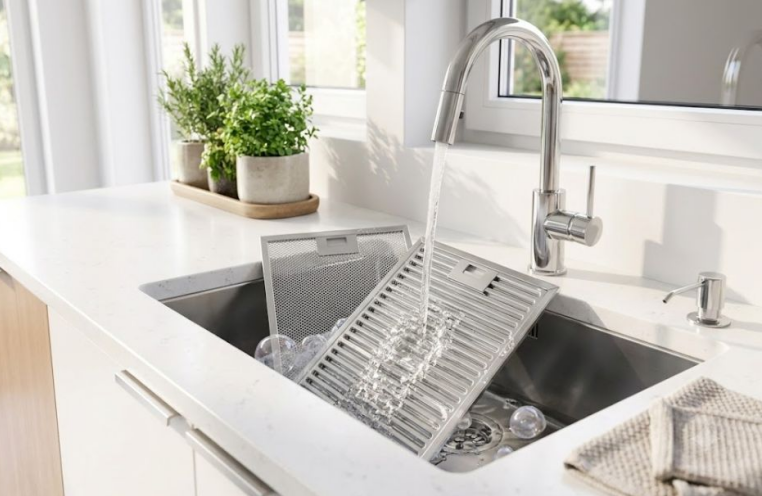
Proper installation is essential for getting the best performance from a low profile range hood. Always follow the manufacturer’s recommended mounting height above the cooktop to ensure effective airflow and safe operation. If you’re installing a ducted model, keep the ductwork as short and straight as possible to reduce airflow resistance and improve ventilation efficiency. Regular maintenance is equally important.
Clean reusable grease filters every few weeks, depending on how often you cook, and replace charcoal filters in ductless models according to the manufacturer’s recommendations. Wipe down the hood’s exterior regularly to prevent grease buildup and keep the lighting fixtures clean for better visibility. Consistent maintenance helps preserve airflow, reduce odors, improve efficiency, and extend the appliance’s overall lifespan.
Common Mistakes to Avoid
Many homeowners unintentionally reduce the effectiveness of their range hood by making avoidable mistakes during selection or installation. One of the most common errors is choosing a hood that is narrower than the cooktop, which limits its ability to capture smoke and grease. Another mistake is selecting an airflow rating that doesn’t match cooking habits, resulting in inadequate ventilation during high-heat cooking.
Neglecting routine filter cleaning can also reduce airflow and increase grease buildup over time. Poor duct installation, unnecessary bends in ductwork, and blocked vents further decrease performance. Finally, focusing only on appearance instead of ventilation capability can lead to disappointment. Considering both design and functionality helps ensure long-term satisfaction.
Key Takeaways
A low profile range hood offers an effective balance between space-saving design, reliable ventilation, and modern style. Its compact construction makes it ideal for smaller kitchens while still helping remove smoke, grease, excess heat, and cooking odors. Choosing the correct width, airflow capacity, and installation type is essential for achieving the best performance.
Regular cleaning of grease filters and timely replacement of charcoal filters help maintain efficient operation over time. Instead of selecting a model based solely on appearance, homeowners should evaluate ventilation performance, noise level, maintenance requirements, and compatibility with their kitchen layout. Taking these factors into account makes it easier to choose a range hood that provides lasting value and dependable everyday performance.
Final Thoughts
A low profile range hood has become a practical solution for homeowners seeking efficient kitchen ventilation without compromising valuable space or modern aesthetics. Its slim design, improved technology, and versatile installation options make it suitable for a wide variety of kitchen layouts, from compact apartments to contemporary family homes.
By understanding your cooking habits, selecting the appropriate airflow capacity, and performing regular maintenance, you can enjoy cleaner indoor air and a more comfortable cooking environment for years to come. If you’re researching modern kitchen ventilation systems and comparing available options, exploring the range of products offered by Ciarra Appliances can help you better understand the features and designs available before making your final decision.
FAQ
1. Are low profile range hoods as effective as traditional range hoods?
Yes. A properly sized low profile range hood can effectively remove smoke, grease, odors, and excess heat from everyday cooking. Performance depends on factors such as CFM rating, installation quality, and whether the hood is ducted or ductless.
2. What size low profile range hood should I choose?
The range hood should generally be at least as wide as your cooktop. Common sizes include 24, 30, and 36 inches. Choosing the correct width helps improve smoke capture and overall ventilation efficiency.
3. Can a low profile range hood be installed without ductwork?
Yes. Many low profile range hoods are available in ductless models that use charcoal filters to clean and recirculate air. However, ducted models usually provide stronger ventilation because they exhaust cooking fumes outside.
4. How often should I clean or replace range hood filters?
Reusable grease filters should typically be cleaned every one to three months, depending on cooking frequency. Charcoal filters in ductless models should be replaced according to the manufacturer’s recommendations to maintain effective odor removal.
5. Are low profile range hoods suitable for small kitchens?
Absolutely. Their slim design saves valuable cabinet space while providing reliable kitchen ventilation. This makes them an excellent option for apartments, condos, townhouses, and other space-conscious kitchens.