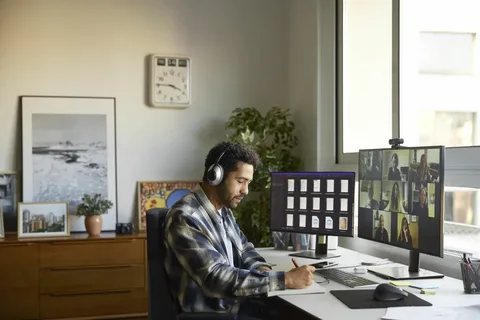
Remote work used to sound simple. Grab a laptop, sit at the kitchen table, answer emails, take calls, and get through the day. For a while, that worked. Sort of.
But after months or years of working from home, many remote workers and entrepreneurs have learned the truth. A home office is not just a place where work happens. It shapes how you think, how your body feels, how fast you lose focus, and how much energy you have left when the laptop closes.
That small desk in the corner? It matters. The chair that makes your back ache by 2 p.m.? It matters too. The harsh light, the messy cables, the laundry pile in your line of sight, the neighbor’s dog barking during client calls, the snack drawer you visit every 20 minutes. All of it becomes part of your workday.
Honestly, the home office has grown from a convenience into a lifestyle issue. It affects productivity, yes, but it also affects mood, confidence, stress, and health. And for entrepreneurs, freelancers, consultants, creators, and remote employees, that makes home office upgrades less like decoration and more like self-management.
Your Workspace Is Talking to Your Brain
A messy room sends a messy signal
You know what? Your brain notices more than you think.
When your desk is covered with mugs, receipts, chargers, sticky notes, and half-finished ideas, your mind keeps picking up those tiny signals. One thing needs fixing. Another thing needs filing. Something else reminds you of a task you forgot. Even when you try to focus, the room keeps whispering.
That does not mean your office needs to look like a showroom. Real workspaces have notebooks, pens, coffee cups, and life in them. But there is a big difference between lived-in and chaotic.
Remote workers often struggle because the home has no natural border between work and personal life. The same space that holds family noise, unpaid bills, pets, groceries, and dishes also has to support planning, sales calls, content work, invoices, and deep thinking. That is a lot to ask from one room.
A simple reset helps. Clear the desk at the end of the day. Keep only the tools you use often within reach. Put cables in clips or trays. Use a drawer for random items instead of letting them spread across your table like weeds.
It sounds small because it is small. But small is the point. Home office upgrades do not always need a full renovation. Sometimes, a cleaner surface gives your brain a cleaner start.
Comfort Is Not a Luxury, It Is Fuel
Your chair has a louder voice than you think
Entrepreneurs love to talk about grit. Remote workers talk about output, deadlines, and staying flexible. But no one does their best work with a stiff neck, sore wrist, and lower back pain that feels like a warning light on a dashboard.
An ergonomic chair, a proper desk height, a monitor stand, and a separate keyboard are not fancy extras. They are basic work tools. You would not run a bakery with a broken oven. So why run your workday from a chair that fights your body?
Here’s the thing. Bad posture does not always hurt right away. It creeps in. First, you lean forward. Then your shoulders tighten. Then your breathing gets shallow. Then you feel tired and blame your workload, when part of the problem is your setup.
The fix does not need to be expensive. A cushion can improve seat height. A laptop stand can bring your screen closer to eye level. A footrest can help your hips and legs feel more supported. Even a timer that reminds you to stand every hour can change the tone of the day.
And yes, walking counts. Stretching counts. Looking away from the screen counts. Remote work can make people feel stuck in one spot, like a phone plugged into the wall. Movement breaks that pattern.
Comfort is not softness. Comfort is fuel. When your body feels supported, your brain has less noise to fight.
Light, Sound, and Air Change the Whole Mood
The room should help you stay awake without making you tense
Lighting can make a home office feel calm, sharp, gloomy, or flat. Natural light helps many people feel more alert, especially during long screen-heavy days. If your desk faces a window, even a short glance outside can give your eyes a needed break.
But direct glare is a problem. It makes you squint. It creates headaches. It turns video calls into a strange shadow show. The goal is not just more light. The goal is better light.
Try a desk lamp with a warm setting for late afternoons. Use curtains or blinds to soften sunlight. Place your screen so glare does not hit it straight on. These tiny changes make the room easier to work in, and easier to stay in.
Sound matters too. Some people need silence. Others work better with soft background noise, like a fan, low music, or a coffee shop playlist. Noise-canceling headphones help if you share your home with kids, roommates, pets, or city traffic. A rug, curtains, or fabric wall panels can soften echoes without making the room feel like a recording studio.
Then there is air. Not dramatic, not trendy, just air. A stuffy room makes you feel slow. Open a window when you can. Add a small fan. Keep water nearby. Bring in a plant if you like plants. A pothos, snake plant, or peace lily can make a desk feel less sterile.
No, a plant will not fix a bad business model. But it can make your Tuesday morning feel a little less gray. Sometimes that is enough to keep going.
The Hidden Health Cost of Working Where You Live
Stress follows you when the office never closes
Remote work gives people freedom, but it also removes a lot of natural stopping points. There is no commute to mark the end of the day. No office lights are shutting off. No walk to the parking lot. The laptop sits there, waiting.
For entrepreneurs, this gets even trickier. When the business is yours, the work feels personal. A late invoice feels personal. A slow month feels personal. A client issue can sit in your chest long after dinner.
That is why lifestyle upgrades matter. They create signals. A lamp turned off. A notebook is closed. A chair pushed in. A screen is covered. These little rituals tell your brain, “Work is done for now.”
The mental health side of remote work deserves real attention. Isolation, long hours, pressure, and blurred boundaries can increase stress. Some people cope by overeating, scrolling late at night, drinking more than usual, or using substances to switch off. It can start quietly. Then it becomes part of the routine.
When stress begins to affect sleep, relationships, or daily control, support matters. Resources like Substance abuse treatment in Massachusetts can help people who need care that looks at both substance use and the pressures underneath it.
No home office chair can replace human support. No desk lamp fixes burnout by itself. But a healthier setup can reduce daily strain, and daily strain is often where bigger problems begin.
Small Design Choices Create Better Work Habits
Make the good behavior easy
A strong home office does not depend on expensive taste. It depends on smart friction.
Want to drink more water? Keep a bottle on your desk. Want to avoid phone distractions? Put your phone across the room during focus blocks. Want to keep your desk clean? Place a small trash bin beside it. Want fewer random papers? Use one tray for incoming items and clear it on Fridays.
This is not about pretending to be perfectly disciplined. It is about making better choices easier than bad ones.
Desk organization helps because remote work often brings scattered tasks. You answer messages, send proposals, manage spreadsheets, join Zoom calls, create content, check orders, and handle customer issues. Without a system, everything feels urgent.
Try setting up zones. One zone for your computer. One for writing. One for daily notes. One shelf or box for supplies. It sounds a little boring, sure. But boring systems save brainpower.
The same idea works for digital clutter. Close unused tabs. Use folders with plain names. Keep your desktop clean enough that you do not feel attacked by files every morning. Tools like Notion, Trello, Google Calendar, Slack, Asana, and Apple Reminders help only when they reduce noise. If a tool adds more work, it is not helping.
And while we are being honest, home office upgrades should include food and rest habits too. Keep decent snacks nearby. Take lunch away from the desk when possible. Do not turn every meal into a sad little email session. You are a person, not a charging cable.
Entrepreneurs Need Spaces That Protect Energy
The room should support the role you are trying to play
Entrepreneurs often wear too many hats. Founder, salesperson, bookkeeper, manager, marketer, customer support, and sometimes janitor of the whole operation. When your office is also your bedroom, dining room, or spare corner, your brain can start to feel like it is always on call.
A better workspace helps you step into work mode with less drama. It says, “This is where I plan. This is where I focus. This is where I build.” That matters on days when motivation is thin, and coffee is doing too much heavy lifting.
Personal design helps here. Add one framed print that makes you feel steady. Use a notebook you actually like. Keep your camera background clean enough that client calls feel professional. Choose a desk mat, lamp, or shelf that makes the space feel intentional. Not perfect. Just intentional.
This matters even more during stressful seasons. A rough business quarter, family pressure, health worries, or personal loss can make work feel heavier. For some people, that pressure blends with unhealthy coping habits. If alcohol or drug use becomes tied to stress relief, services such as Drug and alcohol rehab in Florida can provide structured care and support.
There is no shame in needing help. Remote work often hides struggle because no one sees the whole picture. They see the polished video call, not the messy room after it ends. They see the post, not the panic behind it.
A home office should not become a place where you disappear into work. It should help you stay grounded while you work.
A Better Home Office Is Really a Better Daily Rhythm
Upgrade the space, then protect the routine
The best home office upgrades are not only about chairs, lamps, plants, or desk trays. They are about rhythm.
Start the day with a small opening routine. Open the blinds. Fill your water. Review your top three tasks. Put your phone away for the first work block. End the day with a closing routine. Clear the desk. Write tomorrow’s first task. Shut the laptop. Leave the room if you can.
These habits create a border between work and life, even when both happen under the same roof.
Remote workers and entrepreneurs do not need perfect offices. Most people are working with budgets, shared spaces, kids, pets, noise, and real-life mess. That is fine. The goal is not perfection. The goal is support.
A better chair supports your back. Better lighting supports your focus. Less clutter supports your attention. Plants and fresh air support your mood. Sound control supports your patience. A clear shutdown ritual supports your sleep.
Put together, these upgrades create a home office that feels less like survival mode and more like a place where real work can happen.
And maybe that is the whole point. Your workspace should not drain you before the day even starts. It should meet you halfway. It should give your mind a little room, your body a little relief, and your work a better chance to breathe.