Sleep used to sound simple. You got tired, went to bed, and woke up feeling better. That was the plan, at least.
But for many people, sleep has become one of the first parts of life to fall apart. Work runs late. Phones stay bright past midnight. Bills pile up. Family pressure builds. Anxiety gets louder right when the room gets quiet. Then the body starts paying the price. The mind feels foggy. Emotions feel closer to the surface. Patience gets thinner.
And somewhere in that tired, stressed-out space, substance use can start to look like relief.
A drink to calm down. A pill to sleep. A stimulant to keep going. Cannabis slows the thoughts. None of this always begins with chaos. Sometimes it begins with a person saying, “I just need to get through this week.”
Here’s the thing. Sleep loss, chronic stress, and substance use rarely stay separate. They overlap. They feed each other. They can turn a hard season into a serious mental health pattern. When substance use and mental health symptoms show up together, clinicians often call it dual diagnosis.
That matters because treating only one side of the problem can leave the other side running in the background. A person may stop using for a while, but if the stress, anxiety, depression, or sleep disruption remains untreated, the same cycle can return.
Sleep Is Not a Luxury, Even Though We Treat It Like One
Sleep is often treated like extra credit. If life gets busy, it’s the first thing people cut. They stay up to answer emails. They scroll because their brain feels too wired to rest. They wake up too early because their thoughts start running before the alarm.
At first, it can feel normal. Everyone is tired, right?
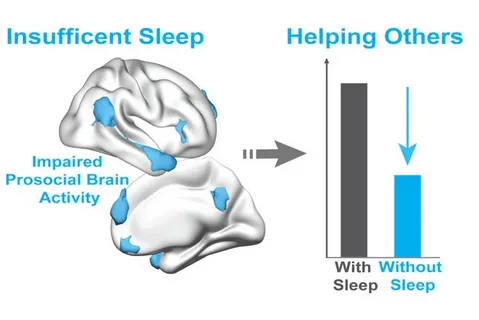
But poor sleep does more than make someone yawn through the day. It affects mood, memory, focus, hunger, energy, and decision-making. It also weakens the emotional buffer that helps people deal with stress. Small problems feel bigger. Conversations feel sharper. A regular workday can feel like dragging a heavy bag through wet sand.
When someone already lives with anxiety, depression, trauma, or burnout, sleep loss can make those symptoms worse. The mind has less time to reset. The body has less time to repair. The nervous system stays alert, almost like it is waiting for danger, even when nothing obvious is happening.
The Nighttime Brain Can Get Loud
A lot of people understand this without needing a medical explanation. Night has a strange way of making ordinary worries feel huge.
You think about one unpaid bill. Then you think about work. Then your health. Then a conversation that felt awkward. Then a message you forgot to answer. Suddenly, it’s 2:17 a.m., and your brain is holding a crisis meeting without your permission.
This is where self-medication can slip in quietly. A person may not think, “I am using a substance to manage a mental health symptom.” They think, “I need to sleep.” Or, “I need to calm down.” Or, “I need my head to stop.”
That difference sounds small, but it matters. Once the brain connects a substance with relief, it learns fast. The habit can become less about pleasure and more about escape. Over time, the person may feel like they cannot rest, work, socialize, or cope without it.
Stress Keeps the Body Stuck in Emergency Mode
Stress is not always dramatic. It is not always a major loss, a breakup, or a scary event. Sometimes stress is the slow daily grind.
The rent is going up. It is reachable all day. It is pressure from work, family, health, money, and social expectations. It is trying to look okay online while feeling overwhelmed offline. It is working hard and still feeling behind.
Honestly, that kind of stress can be harder to name because it looks like normal life.
But the body knows. Stress affects sleep. Poor sleep increases stress. Then stress increases the urge to escape. Round and round it goes.
When stress becomes chronic, the body can stay stuck in a state of high alert. Muscles stay tense. Thoughts race. The stomach feels unsettled. The heart may pound for no clear reason. A person may feel tired and wired at the same time, which is one of the most frustrating combinations.
The “Just One Thing” Trap
Substance use often enters this picture as a shortcut. Not because someone is weak. Not because they do not care about their health. Usually, it enters because the person wants a break.
One drink becomes the way to shut off after work. A sleep aid becomes the only way to rest. A stimulant becomes the tool for staying productive. A drug becomes the thing that makes social anxiety easier to manage.
At first, it can seem like the substance is solving the problem. That is the trap.
The problem is still there. The stress is still there. The poor sleep is still there. But now the brain has a new habit layered on top of the original pain. What once felt like a quick fix can become part of the problem.
This is one reason dual diagnosis cases can be so difficult. Substance use is not always separate from mental health symptoms. It often grows from them. Then it makes them worse.
When Self-Medication Stops Feeling Like a Choice
Self-medication can feel practical in the beginning. It can even feel responsible in a strange way. Someone may think, “I am still working. I am still paying bills. I am still showing up.”
And maybe they are.
But being functional does not always mean being well. Plenty of people look steady on the outside while they are barely holding things together. They answer messages. They sit through meetings. They smile at the grocery store. Then they fall apart in private.
Over time, the body adapts. Tolerance can build. The same amount no longer brings the same relief. Sleep gets worse. Anxiety returns harder. Mood swings become more common. Shame enters the picture, too, and shame loves silence.
That is why support matters early. People do not need to hit a dramatic low point before they deserve care. Support can start when the pattern starts to feel hard to control, when sleep feels impossible without a substance, or when stress keeps pushing someone toward choices they regret later.
For many people, Addiction recovery counseling gives them a safe place to name the pattern without being judged for it. That kind of honesty can become the first real break in the cycle.
Why Shame Makes the Cycle Stronger
Shame tells people to hide. It says, “You should be able to handle this.” It says, “Other people have it worse.” It says, “Do not tell anyone.”
But hiding keeps the pattern alive.
When someone hides substance use, they also hide the stress, grief, anxiety, trauma, or sleep problems underneath it. That means the real issue gets less care. The person becomes isolated, and isolation is rough ground for recovery.
A better question is not, “What is wrong with you?” A better question is, “What has been happening, and what have you been using to survive it?”
That shift changes the whole conversation. It moves the focus away from blame and toward understanding. And understanding is not an excuse. It is a starting point.
Dual Diagnosis Care Has to Treat the Whole Picture
Dual diagnosis is complex, but the basic idea is plain. Mental health symptoms and substance use symptoms are connected. One can trigger the other. One can hide the other. One can make the other harder to treat.
For example, a person with anxiety may drink to feel calm. But alcohol can disrupt sleep and increase anxiety later. A person with depression may use stimulants to feel energetic, but the crash can deepen their low mood. A person with trauma may use substances to avoid memories, body tension, or panic, but the relief fades and the distress returns.
Treating only substance use misses the mental health pain. Treating only mental health misses the substance pattern that keeps stirring the pot.
So, integrated care is not just helpful. It is often necessary.
Why Separate Treatment Can Fall Short
Imagine someone enters treatment for substance use, but nobody talks much about sleep, panic, trauma, or chronic stress. They may stop using it for a while, but the original pressure remains. Then a hard week hits. Sleep breaks again. Stress spikes. The old coping tool starts calling.
Now imagine someone receives mental health care, but their substance use stays hidden. A therapist or clinician sees anxiety, mood swings, and sleep trouble, but the full picture is missing. Treatment becomes harder because part of the engine is covered.
Integrated care connects the dots. It looks at sleep patterns, mood symptoms, substance use, work pressure, family stress, trauma history, and daily habits. Not as separate problems, but as one tangled knot.
For people who need steady support while still living at home, Outpatient mental health treatment in New Jersey can be part of a larger care plan, especially when mental health symptoms and daily stress need regular attention.
The Modern Lifestyle Is Quietly Pouring Fuel on the Fire
It would be too easy to blame this whole issue on personal choices. That would also be unfair.
Modern life has made rest harder. Many people sleep next to a phone that delivers work alerts, bad news, social pressure, and entertainment in one glowing rectangle. Remote work helped many people, but it also blurred the line between work time and personal time. Gig work, rising costs, and unstable schedules have made the body feel like it is always waiting for the next problem.
Even wellness culture can add pressure. Sleep better. Eat cleaner. Fix your morning routine. Be mindful. Exercise. Journal. Heal. Improve. Repeat.
You know what? Sometimes even the language of health can feel exhausting.
That does not mean healthy routines are useless. They help. A lot. But when people are overwhelmed, they do not need another reason to feel like they are failing. They need support that fits real life.
Small Habits Still Matter
The answer is not always a huge life change. In fact, a huge change can scare people away. Small steps often work better because they feel possible.
A person can begin by keeping a steadier sleep schedule. They can move their phone away from the bed. They can notice when alcohol, pills, or other substances become part of the sleep routine. They can take a short walk during the day, eat real meals instead of living on caffeine, and talk to someone before stress reaches a breaking point.
These steps do not replace treatment when treatment is needed. But they can lower the heat. They can create a little space between the feeling and the reaction. And sometimes that little space is where recovery begins.
Why This New Dual Diagnosis Wave Needs a More Human Response
The rise of sleep loss, stress, and substance use is not just a clinical issue. It is a human issue.
People are tired. Not just “I need a nap” tired, but deeply tired. Many are carrying emotional loads that never make it into casual conversation. They manage pressure at work, pressure at home, pressure online, and pressure inside their own heads. Then they reach for whatever brings fast relief.
That does not make them broken. It makes them human.
Still, relief is not the same as recovery. A substance can quiet the room for a moment, but it cannot rebuild sleep. It cannot repair the nervous system. It cannot teach the body that it is safe. It cannot heal loneliness, trauma, depression, or fear.
That work takes support. It takes time. It takes care to see the whole person.
Dual diagnosis treatment works best when it stops separating the mind from the body, and the habit from the hurt. Sleep matters. Stress matters. Substance use matters. The story behind all of it matters too.
So if there is one idea worth keeping, it is this: people do not need to wait until everything falls apart before they ask for help. The warning signs are enough. Restless nights are enough. Feeling trapped in a coping pattern is enough.
Help should not be saved for rock bottom. It should be available when someone is still reaching, still trying, and still hoping that the next morning can feel different.