Sustainable living used to feel like a serious lifestyle commitment. People pictured compost bins, glass jars, bike rides in the rain, handmade soap, and a kitchen full of bulk grains. For some households, that version still fits. For many others, it feels too hard to keep up with.
That is why the idea of green living is changing.
Now, sustainability is becoming more digital, more practical, and a lot easier to fold into normal life. You do not need to rebuild your home or give up comfort to make better choices. In many cases, the help is already sitting in your pocket, on your wall, or built into the appliance you use every day.
Energy-monitoring apps, smart thermostats, electric appliances, online shopping tools, recycling reminders, and low-waste platforms are making sustainable habits easier to understand. They turn vague ideas into visible actions. You can see your energy use. You can track spending. You can compare products. You can find second-hand items before buying new ones.
And honestly, that matters. People stick with habits when those habits are simple enough to repeat.
Green Living Is Becoming Less About Guesswork
For a long time, sustainable living was treated like a test of personal willpower. If you cared about the planet, you were expected to remember everything. Turn off every light. Sort every piece of packaging. Buy less. Waste less. Eat better. Drive less. Use less water. Fix more things. Think about every decision before making it.
That sounds good, but real life is messy.
Most people are not ignoring sustainability because they do not care. They are busy. They are tired. They are trying to stretch household budgets. They are managing work, family, transport, food, bills, and all the little tasks that somehow fill the day.
This is where digital tools help. They reduce the mental load.
A smart meter, for example, shows what energy use looks like in real time. Suddenly, electricity is not just a number on a bill. You can see what happens when the oven is on, when the heating starts, or when several devices sit on standby. It makes the invisible visible.
That small shift can change behaviour. Once you see a spike, you start asking better questions. Do I need to run this appliance now? Is the heating too high? Are old devices wasting power? Can I move some tasks to cheaper off-peak hours?
The point is not guilt. The point is feedback.
When people get clear feedback, they make better choices. That is true in fitness apps, budgeting tools, and home energy systems. Sustainability works the same way. You need to know what is happening before you can improve it.
Smart Homes Are Moving From Fancy to Useful
Smart home technology once had a bit of a showroom feel. Voice-controlled lights and connected gadgets seemed fun, but not always necessary. They looked clever, yet they did not always solve a real household problem.
That has changed.
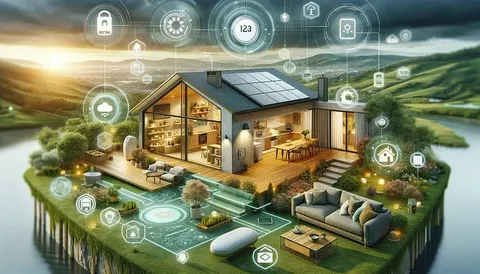
Today, the best smart home tools are less about showing off and more about saving energy, cutting waste, and making daily routines easier. Smart thermostats are a clear example. Products from brands like Nest, Hive, and Tado can learn when people are home, adjust heating schedules, and help avoid warming empty rooms for hours.
That is not just a tech feature. It is a lifestyle shift.
Heating is one of those things people notice only when it goes wrong. Too cold, and everyone complains. Too hot, and money slips away. A smart thermostat helps find the middle ground. It keeps the house comfortable without leaving the boiler working harder than it needs to.
The same idea applies to smart plugs, motion-sensor lights, connected blinds, and app-controlled appliances. Used well, these tools trim small areas of waste from daily life. Not in a dramatic way. More like a slow leak being fixed.
And that is usually how better living works. Not one grand gesture. Just small improvements that keep repeating.
Sustainable homes also connect with wellbeing. A home that is easier to manage often feels calmer. Better routines, lower bills, and less clutter can reduce stress in quiet ways. That matters for families, remote workers, students, and people rebuilding their lives after hard seasons. Supportive environments can make healthier choices easier to keep, whether that means household routines, community care, or structured support such as Inpatient rehab in Massachusetts. The broader lesson is simple: environment shapes behaviour.
A smart home will not solve every problem. But it can remove friction. And sometimes removing friction is what helps a habit survive.
Digital Shopping Is Changing What People Buy
Shopping is another area where sustainability has become more digital. People want to buy better, but the choices can get confusing fast.
Is this item built to last? Can it be repaired? Is the packaging recyclable? Was it shipped from far away? Is second-hand a better option? Is the cheaper version actually more wasteful because it breaks in six months?
No one wants to turn every purchase into a research project.
Digital platforms make the process easier. Second-hand marketplaces like eBay, Vinted, Depop, Gumtree, and Facebook Marketplace have made used goods feel normal. People buy clothes, furniture, phones, tools, toys, and home items without always going straight to new products.
That shift is bigger than it looks. Buying second-hand reduces demand for new production, cuts packaging waste, and often saves money. It also changes how people think about ownership. Not everything has to arrive new in a box. Not everything needs to be kept forever either. A good item can move from one home to another and still have plenty of life left.
Shopping apps also slow down impulse buying. Wish lists, basket reminders, budgeting tools, and price trackers create a pause between wanting something and buying it. That pause helps.
We have all been there. You scroll late at night, see something that looks useful, and click before thinking. Then the parcel arrives and you wonder why you bought it. Digital tools can catch that moment. They can help people compare, wait, and choose with a clearer head.
Low-waste living is not only about buying eco-labelled products. Sometimes it means buying nothing. Sometimes it means borrowing. Sometimes it means choosing one sturdy item instead of three weak ones.
That is not glamorous, but it works.
Recycling and Food Waste Are Getting Smarter
Recycling sounds simple until you stand in the kitchen holding a bit of packaging and thinking, where does this go?
Different councils have different rules. Some plastics are accepted, some are not. Some lids need to be removed. Some food containers need rinsing. Soft plastics can be especially confusing. When people are unsure, they guess, and guessing often leads to contamination or waste.
Digital recycling tools help clear up that confusion. Local council apps can send bin collection reminders. Some tools let people search materials and check disposal rules. Brands are also using QR codes to explain packaging and recycling steps.
It is not the flashiest use of technology, but it is useful. And useful is what makes habits stick.
Still, recycling should not be the first answer. Less waste starts before the bin.
Food waste apps show this well. Too Good To Go helps people buy surplus food from cafes, bakeries, and shops. Olio helps neighbours share food and household items. Grocery apps can help families plan meals around what is already in the fridge.
That last part sounds small, but it hits home. A lot of waste comes from ordinary forgetfulness. A bag of spinach pushed behind the milk. Bread that goes stale. Leftovers nobody labels. A cucumber that turns soft in the drawer. It is not dramatic. It is just life.
Digital reminders and meal planning tools help people catch those moments earlier. They make it easier to use what you have before buying more.
There is also something emotional about wasting less food. It feels better. The fridge feels calmer. The bin fills more slowly. The weekly shop becomes a little more intentional. These are small wins, but small wins count.
Electric Appliances Are Quietly Rewriting Home Routines
The move toward sustainable living is also showing up in everyday appliances. Induction hobs, heat pump dryers, efficient washing machines, air fryers, electric bikes, and smart chargers are changing how people use energy at home and on the move.
These changes do not always feel dramatic. That is part of the point.
An induction hob heats quickly and wastes less heat than many older cooking methods. A heat pump dryer uses less energy than a traditional tumble dryer. A modern washing machine can clean well at lower temperatures. An air fryer can handle smaller meals without heating a full oven.
These choices are not perfect for every household. Upfront cost can be a barrier. Renters may not have control over appliances. Some homes need better wiring, better insulation, or better access to renewable energy before smart upgrades make a big difference.
But the direction is clear. Homes are becoming more electric, more connected, and more aware of when and how energy is used.
Timing is becoming part of the routine, too. Some households now run appliances during off-peak hours. Electric vehicle owners charge overnight. Smart plugs can schedule devices. Energy apps can show when use is cheaper or cleaner.
It sounds technical, but in practice it is very ordinary. It is laundry. Cooking. Charging a phone. Heating water. Getting to work.
Sustainability is moving into these everyday moments. That is why it has a better chance of lasting. It is not sitting outside normal life, asking people to become someone else. It is slipping into routines people already have.
The Human Side Still Matters Most
Technology can help with sustainable living, but it cannot carry the whole load.
People still need time, money, access, and support. A homeowner can install solar panels more easily than a renter. A family with savings can replace an old appliance faster than someone living paycheck to paycheck. A person with a flexible schedule can shop locally or batch cook more easily than someone working long shifts.
So the smarter future of sustainable living has to be fair. It cannot assume everyone has the same choices.
Digital tools should make greener living easier, not more exclusive. That means simple apps, clear information, affordable devices, better public transport tools, repair networks, community sharing platforms, and local systems that do not punish people for being busy or overwhelmed.
Here’s the thing: habits do not grow in isolation. They grow in environments.
That is true for health, recovery, work, family life, and sustainability. People are more likely to build better routines when they have structure around them. This is why supportive settings matter in many areas of life, including care programs such as Residential substance abuse treatment, where routine and environment can help people rebuild patterns. In everyday sustainability, the same basic idea applies on a smaller scale. Make the better choice easier to reach, and more people will reach for it.
Culture matters too. People copy what feels normal. If neighbours share tools, more people borrow instead of buying. If friends talk about lower energy bills without sounding preachy, others listen. If workplaces reduce waste and support repair, those habits often travel home.
Digital communities help spread these habits. A short repair video can save a broken chair. A local group can help someone give away moving boxes. A forum can explain how to cut heating use without making a home uncomfortable. A budgeting app can show how much money is saved by buying less.
None of this feels grand. But it is practical, and practical change tends to last.
The Future of Sustainable Living Looks Ordinary, and That Is Good
The future of sustainable living will not be one perfect green home copied everywhere. It will look different from house to house.
For one person, it will mean a smart thermostat and better control over heating. For another, it will mean buying more clothes second-hand. For a family, it will mean meal planning and wasting less food. For a commuter, it will mean an electric bike, better route planning, or fewer car trips. For a renter, it will mean plug-in tools, small energy habits, and smarter shopping.
This is why digital sustainability feels more realistic than older versions of green living. It does not ask everyone to live the same way. It gives people more information and more control.
And yes, there are limits. More gadgets can create more e-waste if people buy them carelessly. Smart devices still need energy, materials, and data systems. Digital shopping can encourage overbuying if people are not careful. Technology is not automatically green just because it is new.
But when used with common sense, digital tools can support better habits. They can show waste. They can reduce guesswork. They can help people plan. They can make small changes easier to repeat.
That is where the real value sits.
Sustainable living is becoming smarter because it is becoming more connected to daily life. It is not only about big promises or perfect choices. It is about seeing what you use, knowing what you waste, and making the next decision a little better.
A little less energy. A little less clutter. A little less food in the bin. A little more thought before buying.
Not perfect. Just better.
And for most people, that is the version of sustainable living that actually works.