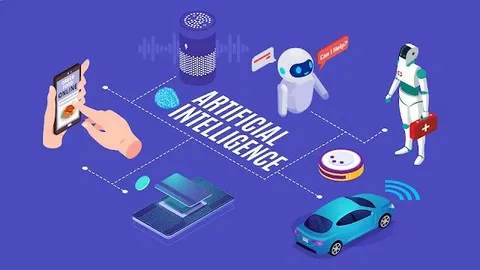
Artificial intelligence used to sound like something that belonged in a lab, a boardroom, or a film where robots spoke in calm voices and made everyone nervous. Now it sits quietly on your phone, your laptop, your watch, your search bar, and sometimes even your fridge.
You ask it what to cook. You use it to plan a trip. You let it sort your inbox. You check an app that tells you whether you slept well, walked enough, spent too much, or forgot to drink water again.
That is the funny thing about AI. It arrived in daily life without a huge announcement. No dramatic music. No flashing lights. It just slipped into ordinary choices and started helping with small decisions. And those small decisions shape how people live.
For a site like FuturesBytes.co.uk, this matters because the future is no longer far away. It is not just about big systems, smart cities, or company software. It is about what you eat on a Tuesday night, how you manage your time, where you travel, how you study, and how you keep your life from feeling too messy.
So, how is AI changing everyday lifestyle decisions? Let me explain.
AI Is Becoming the Quiet Helper in Your Routine
Most people do not wake up thinking, “I will use artificial intelligence today.” They just use tools that happen to run on it.
Your music app suggests a playlist before you know what mood you are in. Google Maps warns you about traffic. Netflix guesses what you want to watch. A smart assistant reminds you to leave for an appointment. Grammarly checks your tone before you send a message that sounds a bit too sharp.
That is AI in real life. Not scary. Not magical. Just useful.
The biggest shift is that AI now helps people decide faster. It removes some of the mental clutter from normal life. What should I buy? What should I cook? What should I wear on this trip? How should I organise my day?
These are not huge life questions, but they take energy. After work, family duties, errands, and the constant buzz of notifications, even small choices feel heavy. AI steps in like a digital second brain. It does not replace your judgment, but it gives you a starting point.
And sometimes, that starting point is enough.
Meal Planning Gets Less Annoying
Food is one of the clearest examples of AI moving into lifestyle habits. Meal planning sounds simple until you open the fridge and see half an onion, eggs, spinach, and a jar of something you bought three months ago.
AI tools now help people plan meals around what they already have. Apps can suggest recipes, build shopping lists, adjust portions, and even consider allergies, budget, or fitness goals. You can ask ChatGPT for five cheap dinners using chicken and rice. You can ask a nutrition app to build a high-protein meal plan. You can scan a product label and get a plain-English breakdown.
You know what? That is a real help for busy people.
It also changes how people shop. Instead of wandering through aisles and grabbing random items, shoppers can plan around meals, prices, health goals, and waste reduction. AI can compare ingredients, suggest swaps, and help people avoid buying five sauces when one will do.
Of course, AI does not know your cravings the way you do. It may suggest lentil soup when you want chips and a sandwich. That is where human choice still wins. But when you need ideas, structure, or a push toward better habits, AI makes food planning feel less like a chore.
The Budget Side of Food Choices
Meal planning also ties into money. Food prices have made many households more careful. AI budgeting tools can track grocery spending, spot patterns, and show where money disappears. Maybe it is delivery apps. Maybe it is coffee runs. Maybe it is those “quick top-up” shops that somehow cost £35.
AI does not shame you. At least, good tools should not. It simply shows the pattern. And once you see the pattern, you can change it.
Fitness Advice Is Becoming More Personal
Fitness used to be full of one-size-fits-all advice. Run more. Lift weights. Eat less. Stretch. Sleep. Repeat.
But bodies do not work that neatly. A new parent, a student, an office worker, and a retired person do not need the same plan. This is where AI-powered fitness tools are changing daily routines.
Wearables like Fitbit, Garmin, Apple Watch, and Whoop track steps, heart rate, sleep, recovery, and activity levels. Fitness apps then turn that data into suggestions. Walk today. Rest today. Try a shorter session. Your sleep was poor, so go easier.
That kind of feedback helps people make better choices in the moment. Not perfect choices. Better ones.
AI also makes fitness less intimidating. Someone can ask for a beginner workout at home with no equipment. Someone else can request a 20-minute routine for back stiffness after sitting all day. The result is quick and practical.
Still, there is a catch. Fitness data can become a bit noisy. People can get too attached to numbers. A watch saying you had “bad sleep” can make you feel tired before the day even starts. So the smart move is to use AI as a guide, not a boss.
Your body still gets a vote.
Wellness Support Is Getting Easier to Find
AI is also changing how people think about wellness. Many people now use apps to track mood, sleep, stress, drinking habits, screen time, and daily routines. These tools can spot patterns that are hard to notice when you are just trying to get through the week.
For example, someone may realise they sleep poorly after late-night scrolling. Another person may notice they spend more when stressed. Someone else may see that low mood follows long stretches without exercise or social contact.
That kind of insight matters.
But here is the thing. AI can support awareness, but it cannot replace real care. When people face serious health concerns, addiction, withdrawal, or mental health struggles, they need qualified help from real professionals. A tool can guide someone toward support, but care itself has to be human, safe, and properly managed. For example, someone looking for medical support can seek a trusted drug detox program in Washington instead of relying only on app-based advice.
This is an important line. AI can help make it easier to find. It can explain terms. It can suggest questions to ask a doctor. It can help someone write down symptoms or prepare for a call. But it should never pretend to be the full answer.
In daily life, that balance matters. Use the tool. Keep the human support.
Shopping Decisions Are Getting Smarter, but Also Stranger
Shopping has changed a lot because of AI. Product suggestions, price alerts, size guides, review summaries, chatbots, and visual search now shape what people buy.
You can take a photo of a jacket and find similar styles. You can ask an AI assistant to compare laptops. You can use browser tools that track prices and warn you when something drops. Some shopping apps even predict what you need before you search for it.
That sounds helpful, and often it is.
But it also gets a little weird. AI does not just respond to your choices. It influences them. It learns your habits, your price range, your browsing time, and your weak spots. Maybe you always buy skincare at night. Maybe you click trainers after payday. Maybe you add things to a basket when you are bored.
Retailers know this. Their systems know this, too.
So AI creates a new kind of lifestyle skill: knowing when a suggestion helps you and when it nudges you. That difference matters. A good recommendation saves time. A bad one creates clutter, debt, or buyer’s regret.
The best use of AI shopping tools is simple. Let them compare, filter, and summarise. But do not let them decide what matters to you.
Travel Planning Feels Less Like Homework
Travel planning once meant opening ten tabs, reading blogs, checking maps, comparing hotels, and asking friends for advice. Now AI can build a rough itinerary in seconds.
Want three days in Edinburgh with good coffee, museums, and easy walking routes? Ask. Want a family-friendly weekend in London without spending too much? Ask. Want to know what to pack for Barcelona in October? Ask.
AI works well here because travel involves many moving parts. Flights, weather, transport, food, location, timing, and personal taste all collide. A good AI tool turns that mess into a plan you can edit.
It is not perfect. It can suggest places that are closed, outdated, too expensive, or not quite your style. So you still need to check official websites, maps, and recent reviews. But AI gives you a useful first draft.
And honestly, that first draft saves a lot of energy.
It also helps people travel in a more personal way. Instead of copying the same tourist list everyone uses, you can ask for quiet bookshops, low-cost food spots, accessible routes, rainy-day plans, or places that suit kids, older relatives, or solo travellers.
That is where AI feels less like a search engine and more like a planning partner.
Studying and Learning Are Becoming More Flexible
AI has changed studying in a big way. Students use it to explain hard topics, quiz them, rewrite notes, create flashcards, and break large tasks into smaller steps.
This does not mean learning becomes lazy. Used well, AI makes learning more active. A student can ask, “Explain this like I am 12,” then ask for a harder version. They can test themselves. They can find gaps. They can turn a boring chapter into a study plan.
Adults are using it too. People learning Excel, coding, design, writing, languages, or finance now have a helper that responds in plain language. You do not have to sit confused for an hour. You can ask a question and get a clearer path.
Still, schools and workplaces are right to care about misuse. If AI writes the whole essay or completes the whole task, the person misses the learning. But if it explains, coaches, checks, and questions, it helps.
There is a difference between using a calculator and pretending the calculator is your brain.
Productivity Is Getting a Personal Upgrade
AI productivity tools are everywhere now. They summarise meetings, sort emails, draft replies, build schedules, organise notes, and turn messy thoughts into clear steps.
For workers, this feels like having a junior assistant. For families, it can feel like having a shared planner that does not get tired. For freelancers and small business owners, it saves time on admin work that often eats up the whole afternoon.
The best part is not that AI helps people do more. It helps them carry less in their head.
That matters because modern life is full of invisible tasks. Remember the school form. Book the dentist. Reply to that message. Pay the bill. Plan meals. Update the spreadsheet. Buy the birthday gift. Cancel the trial before it charges you.
AI can help turn that noise into a list, a calendar, or a reminder. It can also help people make better routines after major life changes. For example, someone balancing work, family, and recovery support may use digital planning tools to manage appointments and healthy habits. Real care still matters most, and a structured option like a Sacramento outpatient treatment program can offer support that no app can replace.
That is the real promise of AI productivity. Not squeezing every minute until life feels like a factory. Just making space for what matters.
The Human Choice Still Matters Most
There is a mild contradiction here. AI is changing everyday decisions, but it should not make every decision for you.
It can suggest dinner, but it cannot taste your mood. It can plan a workout, but it cannot feel your knees. It can build a budget, but it does not know the emotional pull of buying something small after a hard week. It can plan a trip, but it cannot know which street will make you stop and smile.
That is why the future of AI in lifestyle is not about handing over control. It is about better support.
The best tools reduce friction. They help you start. They help you compare. They help you notice patterns. They help you make choices with less stress.
But you still decide.
And maybe that is the healthiest way to see AI. Not as a genius. Not as a threat. Not as a magic fix. More like a clever kitchen timer, a calm notebook, a map with extra hints, or a friend who is good at sorting messy information.
AI is moving from offices into kitchens, bedrooms, gyms, classrooms, shops, airports, and daily routines. It is changing how people eat, spend, study, travel, work, and care for themselves.
The question is not whether AI will be part of daily life. It already is.
The better question is this: are we using it to live with more clarity, or just more noise?
Handled well, AI gives people a little more time, a little more structure, and a little less stress. That may not sound dramatic. But in everyday life, small help adds up.