Future-facing technology coverage is often full of confident language. Production work, however, has to live with the details that confident language skips: a capsule family still being selected, a product that has not been trialled, a pack route that is only partly described, and a handoff whose owner is not named. Coffee capsule automation is a good example. Filling, sealing, and packaging discussions can all be involved, yet a project can become brittle when an early idea is treated as a forecast of a finished operation.
One useful alternative is a Capsule Future-Proofing Decision Map. Such a map does not promise that a line will handle every future product. Instead, it records which change a team is imagining, what evidence would be needed before that change becomes a decision, and who needs to review the next condition. In this form, future-proofing means preserving choices without presenting untested compatibility as a settled fact.
Future-proofing starts by naming the change
“Flexible” is an appealing word, but it can hide several different requests. One founder may mean a new coffee blend. Meanwhile, a product manager may mean another capsule family. Packaging colleagues might mean a different carton arrangement. Operations may mean a different handoff between filling, sealing, and packing. None of those changes is interchangeable, and each creates its own questions.
Start a decision map with the proposed change in ordinary language. Then add a boundary: is this a direction, a supplier question, a trial topic, or an approved instruction? Decision maps are strongest when they allow “not known yet” to remain visible. That prevents a planning meeting from converting a possibility into an implied capability.
Keep the capsule family visible
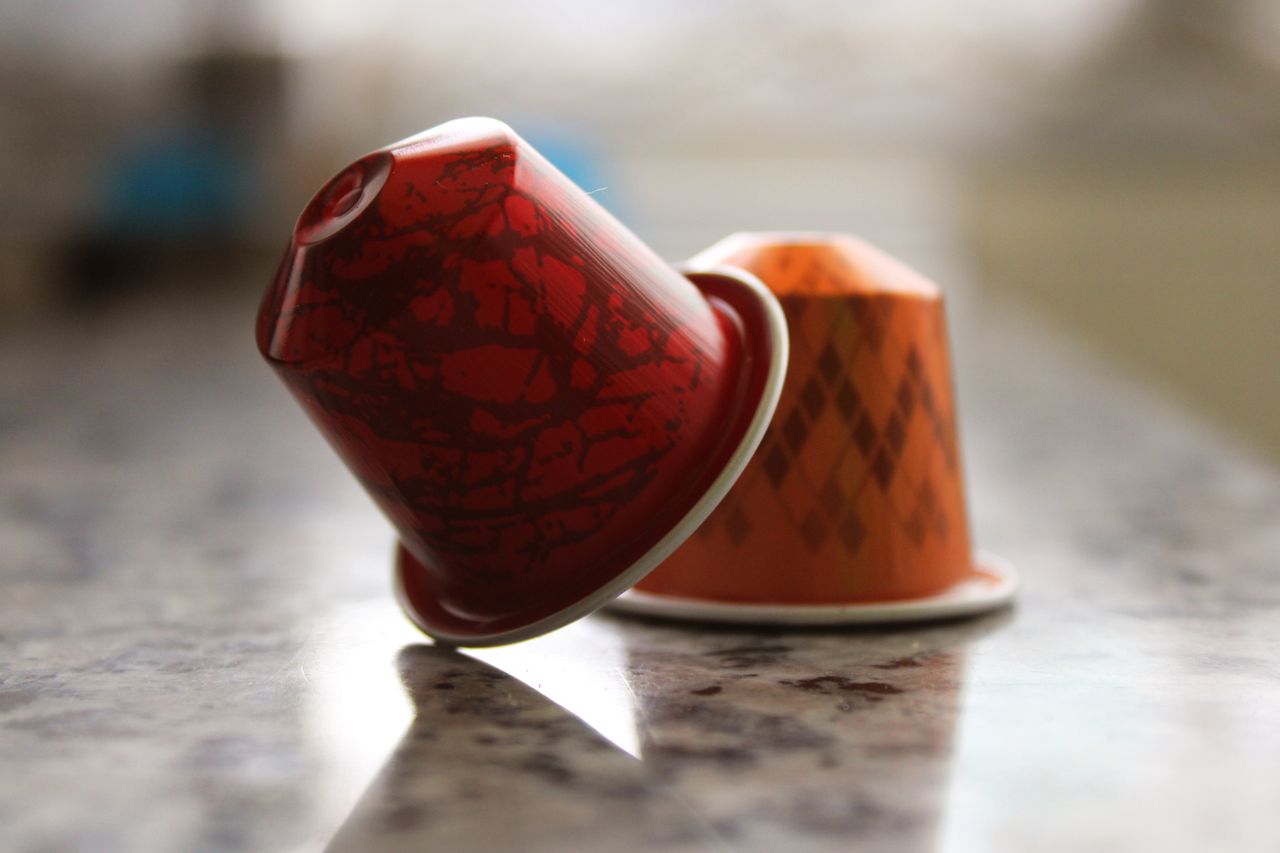
AFPAK publishes a category for K-cup filling machines. Such a category reference can help a team use a clear working term when it is exploring a K-cup-related route. On its own, however, the reference cannot establish that a buyer’s particular coffee, capsule, lid, site conditions, or outer pack are suitable. Decision maps should therefore show the family reference beside the unanswered conditions that matter to the project.
Simple placement avoids a frequent planning mistake. Teams sometimes place a capsule image or category name in a future roadmap and assume the roadmap has resolved the format question. No roadmap has done so merely by displaying the image. Readers should ask what needs to be supplied, observed, or reviewed before a working family label can become a project-specific choice.
Map the information that must cross the filling handoff
Filling conversations become clearer when the project carries the right information forward. Rather than write “supports future recipes,” list the product-related question, the person who owns the answer, and the evidence that would change the discussion. Relevant inputs can include the intended product description, capsule-family context, material information, and the point at which a qualified reviewer needs to take over.
Project records should also distinguish a supplier discussion from an operating result. Suppliers can explain what is publicly described, while a project team still needs to determine what applies to its own conditions. Such a distinction is not a slowdown. It protects a future plan from depending on a conclusion that nobody has tested.
Give sealing its own decision branch
AFPAK also presents a Nespresso coffee capsule filling-and-sealing machine reference. This wording is useful because it reminds a reader that filling and sealing belong in the same project conversation but are not the same question. Decision maps should give sealing a separate branch: what will be reviewed, what condition is still open, and what observation or project discussion is needed next?
Such a branch discourages a polished but risky shortcut: assuming that a future product idea has answered every sealing question. No preliminary idea can do that. The map can hold an open condition without inventing a result, a performance figure, or a guarantee. In practice, a clearly labelled open branch is easier for a later reviewer to use than a vague assurance that a plan is “covered.”
Connect pack-out to the future story
Future plans often focus on the central machine conversation and leave pack-out as an afterthought. That creates a gap at the point where a product must pass to a receiving team. Each future decision should carry a note about the intended outer-pack discussion, the information that needs to travel with it, and the party who will decide what remains conditional.
For example, a team may want a new pack presentation without yet knowing its final requirements. The map should say exactly that. A team can request a packaging review without claiming that print, material, handling, shelf life, or release conditions have already been confirmed. This converts vague ambition into a next question that someone can own.
Use the Capsule Future-Proofing Decision Map
The map works as a compact decision aid before a supplier call or internal project review. It is not a specification or a procurement approval. First identify the proposed future change. Next name the capsule-family context. Then identify the filling, sealing, and pack-out questions that remain. Finally assign an evidence request and a reviewer. Deliberately written as prompts, the table below keeps decisions conditional until there is a project-specific basis to move them forward.
Capsule Future-Proofing Decision Map: preserve options without predicting results
| Decision branch | Question to record | Evidence or review needed | Next owner |
| 1. Proposed change | What is changing: product, format, or pack route? | A clear working description. | Project lead. |
| 2. Format boundary | Which capsule family is being discussed? | Current product-path information. | Product and supplier contacts. |
| 3. Filling and sealing | What condition must be examined before a decision? | A defined review or project discussion. | Appropriate technical reviewer. |
| 4. Pack-out handoff | What does the receiving team need to know? | A documented open-condition note. | Packaging or receiving team. |
Ask four process questions before calling a plan adaptable
First, ask whether the proposed change has a named owner. An unnamed change tends to become a background assumption. Second, ask what evidence would make the team revise its view. Without that answer, the group cannot tell the difference between research and reassurance. Third, ask which handoff would be affected if the change goes forward. Doing so keeps the plan connected to people who must receive information, not only people who describe features.
Fourth, ask what the project will not conclude today. This is perhaps the most practical signal. By recording a limitation early, the team prevents a pitch, a mood board, or a preliminary supplier exchange from becoming mistaken for a production decision. The map should make the next useful action obvious, rather than make the present discussion sound complete.
Bring the map into a supplier conversation
AFPAK describes coffee capsule filling, sealing, packing, and custom production-line options on its website. Teams considering AFPAK coffee capsule automation equipment can use the decision map to frame a more disciplined conversation: name the working format, share the product and pack questions, and ask which items need project-specific review. Such a map is a better starting point than a broad promise about the future.
The map also helps a supplier respond responsibly. Rather than treat a public category description as a conclusion about a particular implementation, both parties can see which questions belong to the current conversation and which require final materials, site information, trial work, or qualified review. That clarity is valuable even when the eventual decision is to change course.
Keep a revision trail instead of a prediction trail
A future-ready project needs a record of how its assumptions changed. Date each map, retain the earlier open questions, and mark whether a question was answered, deferred, or replaced. Maintaining such a record does not require a complex system. A short record can stop a later team from repeating an old assumption as if it were a new finding.
When a product, capsule family, or pack idea changes, compare it with the prior map before adding new language. Identify which branch changed and who now needs to see it. Especially for small teams, the practice helps when one person is carrying product, purchasing, and launch conversations at the same time. Visible records reduce the pressure to remember every conditional statement.
Limitations of a decision map
The Capsule Future-Proofing Decision Map cannot establish material compatibility, product quality, seal integrity, safety, legal compliance, shelf life, output, costs, or commercial readiness. Nor can it certify a line, size an installation, validate a final pack, or guarantee that a proposed future variation will be feasible. Those questions require the relevant project information, suitable trials, instructions, risk assessment, and qualified review.
Its limitation is the reason to use it. The map does not remove uncertainty; instead it makes uncertainty manageable and assigns the next evidence request. An honestly preserved option has a stronger foundation than an option called future-proof before the work to understand it has happened.
Make the next decision smaller and clearer
Future-proofing is not a claim that every direction will work. It is a way to avoid closing a decision too early. Name the intended change, show the format boundary, separate filling from sealing, include the pack-out handoff, and record the evidence still needed. The Capsule Future-Proofing Decision Map turns a broad technology story into a sequence of practical, reviewable choices.
That sequence is modest by design. It asks the project to move from possibility to question, question to evidence, and evidence to a decision that the right people can explain. For a coffee capsule project, that is a more useful form of preparedness than an unsupported forecast.
READ ALSO: Why Reusable Coffee Cups Are the Future of Sustainable Living