Something significant has shifted in the way people think about their homes. The era of maximalist showrooms and sterile minimalism has given way to something far more grounded — interiors that breathe, that feel lived-in, and that draw deeply from the natural world. Wood, stone, linen, and clay are no longer considered rustic afterthoughts. They are the primary language of contemporary interior design, and the conversation is only growing richer. From the sun-drenched villas of southern Europe to the converted farmhouses of rural England, a quieter, more intentional approach to decorating has taken hold — one that values texture, warmth, and authenticity above all else.
The Return to Natural Flooring as a Design Foundation
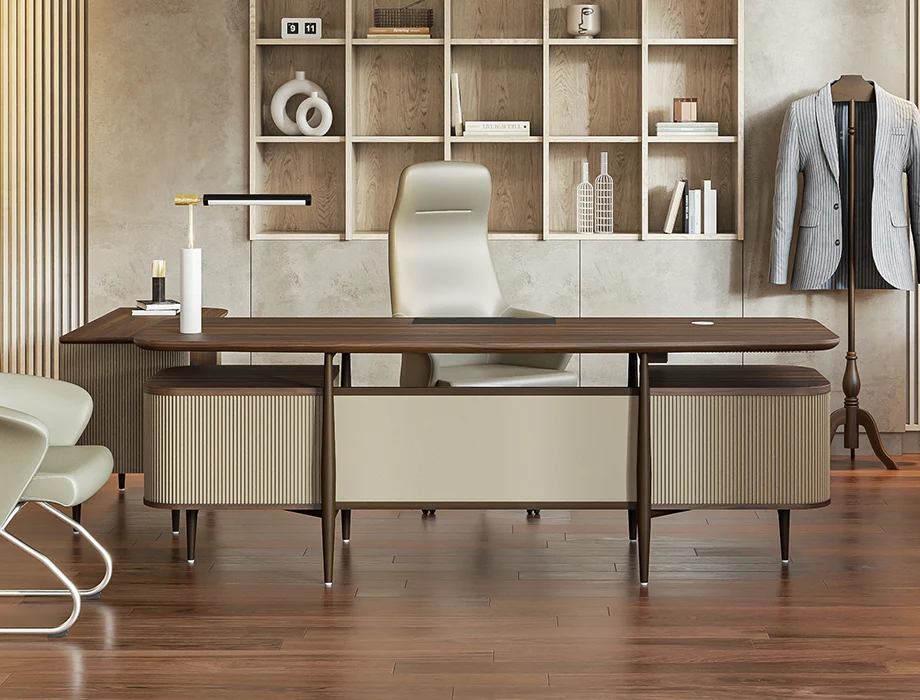
No element of a room sets the tone quite like the floor beneath your feet. In recent years, wood flooring has experienced a remarkable renaissance — not simply as a practical surface, but as a design statement in its own right. Wide-plank oak, reclaimed pine, and hand-scraped walnut are appearing in spaces ranging from urban apartments to coastal retreats, each bringing its own character and history into the room. The appeal lies in imperfection: the knots, the grain variations, the way light moves across a brushed surface differently at every hour of the day.
For those exploring the full spectrum of possibilities, a comprehensive guide to wood flooring ideas and design inspiration reveals just how versatile this material can be. Whether you prefer the pale serenity of ash, the deep warmth of mahogany, or the contemporary edge of smoked oak, the right floor can anchor an entire interior concept without a single piece of furniture in place. It is, in many ways, the most honest design decision a homeowner can make.
Texture Over Trend: Why Tactile Surfaces Matter
Interior designers increasingly speak about the importance of tactile experience — the way a room feels, not just how it looks in photographs. Smooth concrete beside rough-hewn timber. Polished stone against raw linen. These contrasts create a sensory richness that no amount of clever colour-matching can replicate. The best interiors today are designed to be touched, to invite contact, to reward the person who runs a hand along a wall or sinks into a chair. This philosophy is a direct rejection of the purely visual, Instagram-optimised spaces that dominated the previous decade.
Portugal’s Quiet Influence on Global Interior Design
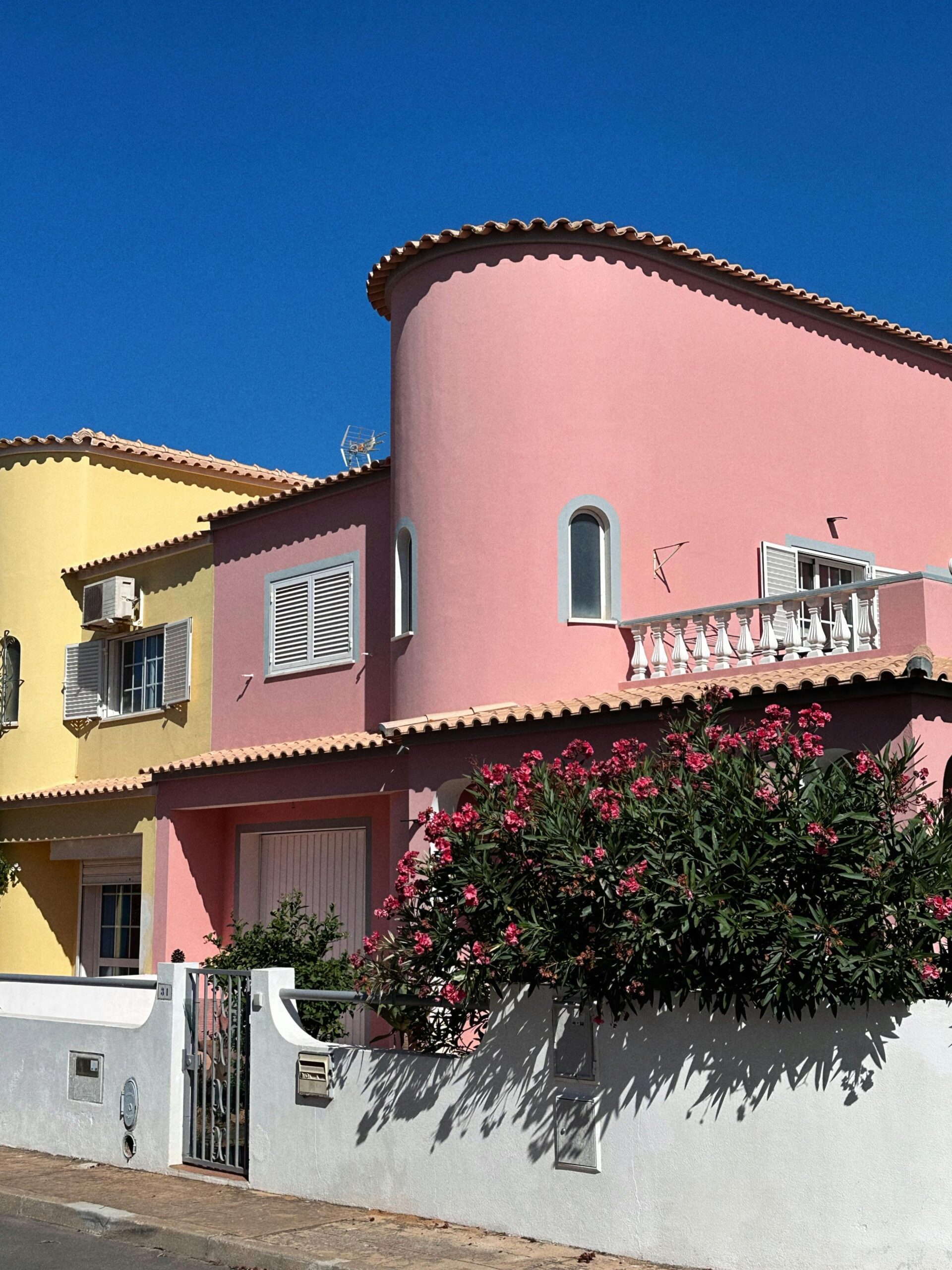
Few countries have contributed more quietly — and more profoundly — to the current shift in interior sensibility than Portugal. Its design tradition is rooted in a deep respect for local materials: azulejo tiles, cork, terracotta, and aged timber have been part of Portuguese domestic life for centuries. But what makes the Portuguese approach so compelling to the wider world is not the materials themselves, but the philosophy behind them. There is an ease, a lack of striving, that characterises the best Portuguese interiors. Rooms are arranged for comfort and conversation, not for display.
This ethos has been spreading steadily across Europe and beyond, influencing designers and homeowners who are tired of interiors that feel performative. As explored in a thoughtful piece on why Portugal homes are inspiring a more relaxed approach to interior design, the country’s domestic spaces offer a masterclass in restraint, warmth, and the art of making a home feel genuinely welcoming rather than merely impressive. The lesson is simple but transformative: design for the people who live there, not for the people who might visit.
Bringing the Outside In: Biophilic Design Principles
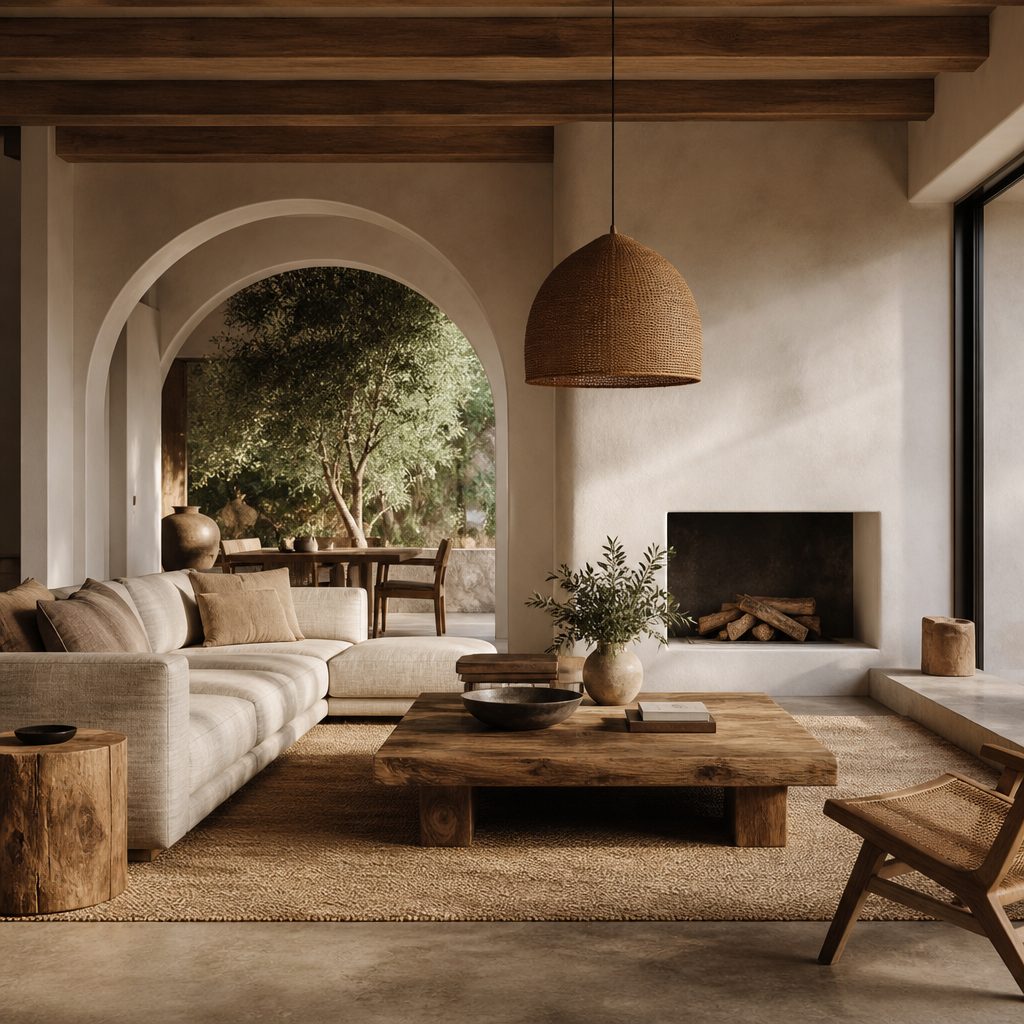
Closely linked to the natural materials movement is the growing embrace of biophilic design — the practice of integrating natural elements into built environments to support human wellbeing. This goes beyond placing a potted plant on a windowsill. True biophilic design considers the flow of natural light, the presence of organic shapes, the use of materials that age gracefully, and the creation of visual connections to outdoor landscapes. Studies consistently show that environments rich in natural references reduce stress, improve concentration, and foster a greater sense of calm. For homeowners, this translates into practical choices: larger windows, indoor gardens, natural fibre rugs, and — crucially — floors and walls that carry the memory of the forest or the quarry.
TarRiver: Craftsmanship Rooted in Natural Beauty
TarRiver represents a design sensibility that aligns naturally with everything the modern interior movement values most. Rooted in quality craftsmanship and a genuine appreciation for natural materials, TarRiver brings a considered, unhurried approach to the spaces it helps create. In a market saturated with fast furniture and disposable décor, the brand stands apart by prioritising longevity, character, and the kind of beauty that deepens rather than fades with time. Whether you are furnishing a new home or reimagining an existing space, TarRiver offers the kind of grounded, authentic perspective that today’s most discerning homeowners are actively seeking.
Choosing Materials That Age With Grace
One of the most important shifts in contemporary interior thinking is the move away from materials that look perfect on day one and deteriorate steadily thereafter. Solid wood, natural stone, hand-thrown ceramics, and woven textiles all share a common quality: they improve with age. A solid oak floor develops a patina that no factory finish can replicate. A linen sofa softens and moulds itself to the people who use it. A terracotta tile absorbs the light of a thousand mornings and becomes something richer than it was when it left the kiln. Choosing these materials is an act of faith in the future — a belief that the home you are building today will be more beautiful in ten years than it is right now.
Practical Steps Toward a More Natural Interior
Transitioning toward a more natural, relaxed interior does not require a complete renovation or an unlimited budget. It begins with intention. Start by auditing the synthetic materials in your home — the laminate surfaces, the polyester upholstery, the plastic accessories — and consider what natural alternatives might serve the same function with greater beauty and longevity. Replace a synthetic rug with one woven from jute or wool. Swap a veneer side table for one made from solid timber. Choose curtains in undyed linen rather than printed polyester. Each substitution is small, but the cumulative effect is transformative.
Lighting also plays a crucial role. Natural light should be maximised wherever possible, and artificial lighting should be warm and layered rather than harsh and uniform. The goal is to create an environment that feels continuous with the natural world outside — one that changes subtly with the seasons and the time of day, rather than remaining static and artificial regardless of what is happening beyond the walls.
Conclusion: Designing for the Long Term
The movement toward natural, relaxed interiors is not a passing trend. It reflects a deeper cultural shift — a growing awareness that the spaces we inhabit shape our wellbeing in profound ways, and that the materials we choose carry both environmental and emotional weight. The best homes being designed and decorated today are those that feel honest: honest about the materials they use, honest about the people who live in them, and honest about the kind of life they are intended to support. In that honesty lies a beauty that no amount of styling or staging can manufacture. It must be built in, from the floor up.