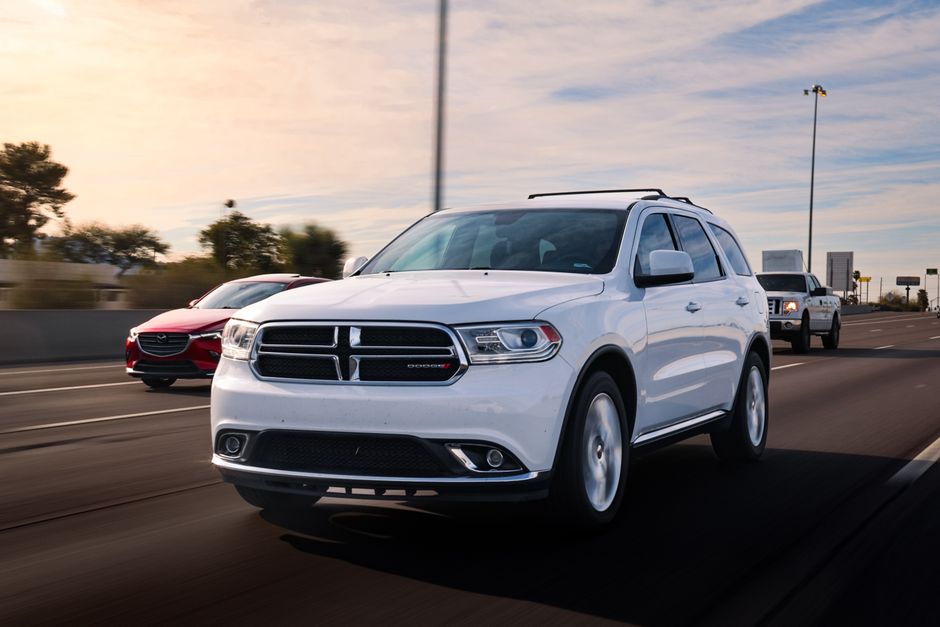
Dodge Safety Features for City and Highway Roads
Driving in a city and traveling on the highway can present very different challenges. Urban roads often involve frequent stops, pedestrians, changing lanes, tight parking areas, and heavy traffic, while highway driving can require greater awareness of speed, following distances, and vehicles approaching from multiple directions. Modern Dodge vehicles offer a range of safety and driver-assistance technologies designed to help drivers monitor their surroundings and respond to potential hazards. Drivers researching these technologies can explore options through a Dodge dealership in Lake Wales and compare features based on their everyday driving needs.
Forward Collision Warning Helps Monitor Traffic Ahead
Forward Collision Warning is designed to monitor the road ahead and alert the driver when a potential forward collision is detected. This type of system can be particularly useful in situations where traffic slows unexpectedly.
On city roads, vehicles may stop quickly at intersections, traffic signals, or congested areas. On highways, sudden slowdowns can occur when traffic backs up or an incident affects several lanes.
NHTSA explains that Forward Collision Warning detects a potential collision with a vehicle ahead and provides a warning to the driver. The system itself generally provides an alert rather than automatically applying the brakes.
This distinction is important because the driver remains responsible for responding appropriately to the warning.
Automatic Emergency Braking Can Provide Additional Assistance
Automatic Emergency Braking builds on forward collision detection by applying the brakes when a forward crash is imminent under conditions the system is designed to recognize.
NHTSA describes Automatic Emergency Braking as a technology that can automatically apply the vehicle’s brakes when a forward collision is imminent. Depending on the system, it can help avoid a crash or reduce its severity.
For city driving, this technology may be relevant when traffic stops unexpectedly. On highways, it can provide another layer of assistance if a driver does not respond quickly enough to a developing forward collision.
Drivers should understand that emergency braking systems have limitations and do not eliminate the need for attentive driving.
Blind Spot Monitoring Supports Safer Lane Changes
Changing lanes is a regular part of both urban and highway driving. A vehicle can be difficult to see when it is positioned alongside or slightly behind another vehicle.
Blind Spot Warning systems monitor areas beside the vehicle and alert the driver when another vehicle is detected in a blind spot. NHTSA identifies blind spot warning as a driver-assistance technology intended to alert drivers about vehicles they may not see when preparing to change lanes.
This feature can be useful on highways where vehicles frequently travel alongside one another at different speeds. In cities, it can also provide additional awareness when navigating multilane roads.
Drivers should still check mirrors and look over their shoulders before changing lanes because blind spot systems are assistance technologies rather than replacements for visual checks.
Lane Departure and Lane-Keeping Technologies
Maintaining lane position can become challenging when drivers are traveling long distances or navigating roads with multiple lanes. Lane Departure Warning can alert a driver when the vehicle appears to be moving outside its lane without an intended maneuver.
Lane Keeping Assistance can go a step further by providing steering assistance when the system detects an unintended lane departure. NHTSA explains that lane keeping assistance can use information from lane-departure sensors to help keep a vehicle within its intended lane.
For highway travel, these technologies can provide additional awareness during extended drives. On city roads, lane markings may be more complicated or interrupted, so drivers should understand when a system may not operate as expected.
Adaptive Cruise Control Can Help on Highways
Adaptive Cruise Control is particularly relevant to highway driving. Unlike conventional cruise control, which generally maintains a selected speed, adaptive cruise control can adjust vehicle speed to maintain a preset following distance from traffic ahead.
NHTSA describes Adaptive Cruise Control as a system that automatically adjusts the vehicle’s speed to maintain a selected distance from the vehicle in front.
This can be useful when highway traffic changes speed frequently. Instead of repeatedly adjusting the accelerator, the system can provide assistance with maintaining speed and distance under appropriate conditions.
It is still important for drivers to remain attentive and ready to intervene whenever necessary.
Rear Cross-Traffic Warning Helps in Parking Areas
City driving often involves parking lots, shopping centers, residential driveways, and other areas where visibility can be limited. Rear Cross-Traffic Warning can help alert drivers when another vehicle is approaching from the side while they are reversing.
NHTSA explains that Rear Cross Traffic Warning can alert drivers to potential collisions while reversing when the approaching object or vehicle may be outside the backup camera’s view.
This can be particularly useful in crowded parking areas where vehicles may approach from either direction. However, drivers should still check their surroundings, mirrors, and backup-camera view before reversing.
Backup Cameras Improve Rearward Visibility
Backup cameras are now a common safety feature in modern vehicles. They provide a view of the area directly behind the vehicle when reversing.
NHTSA notes that backup cameras help drivers see behind the vehicle and can assist in preventing backover crashes. The agency also emphasizes that cameras are not a replacement for checking mirrors and physically looking around the vehicle.
For city driving, a backup camera can be useful when maneuvering into parking spaces or reversing from driveways. On highway trips, it can make parking at rest stops and destinations easier to manage.
Automatic High Beams Can Improve Nighttime Awareness
Nighttime driving can introduce visibility challenges, particularly on darker roads outside busy urban areas. Automatic high-beam systems can help manage headlight settings based on lighting conditions and approaching traffic.
NHTSA describes automatic high beams as systems that can switch between high and low beams when appropriate based on traffic and lighting conditions.
This can be useful for highway drivers traveling at night, where additional forward visibility can matter. In city environments with street lighting and frequent traffic, low beams may remain more appropriate.
Parking Assistance Can Make Urban Driving Easier
Parking is another area where driver-assistance technology can be useful. Tight spaces, nearby vehicles, pedestrians, and limited visibility can make parking more challenging in busy areas.
Depending on the Dodge model and equipment, available parking-related technologies may include sensors and camera systems designed to provide additional information about the vehicle’s surroundings.
These technologies can help drivers judge available space and identify objects that may be difficult to see from the driver’s seat. They should be treated as supplemental tools rather than substitutes for checking the surroundings.
Electronic Stability Control Supports Vehicle Control
Safety technology is not limited to cameras and sensors. Electronic stability control is another important vehicle safety system. NHTSA explains that electronic stability control can use automatic computer-controlled braking at individual wheels to help a driver maintain control if the vehicle begins to lose stability.
This type of technology can be relevant on both city and highway roads. Unexpected maneuvers, changing road conditions, or sudden steering inputs can challenge vehicle stability, making electronic stability systems an important part of modern vehicle safety design.
Driver Assistance Is Not a Replacement for Attention
Understanding the limits of safety technology is just as important as understanding what the systems do. NHTSA emphasizes that driver-assistance technologies are designed to assist drivers and do not make current consumer vehicles fully autonomous. Drivers remain responsible for steering, braking, accelerating, and monitoring the road.
Drivers should therefore read the owner’s manual and learn how each system works before relying on it. Sensors may not recognize every road condition, object, lane marking, or traffic situation.
Choosing Safety Features for Different Types of Driving
The most useful safety technologies can depend on where and how a vehicle is driven. City drivers may place greater importance on rear cross-traffic alerts, parking assistance, backup cameras, and collision-warning technologies. Highway drivers may focus more on adaptive cruise control, blind spot monitoring, lane assistance, and forward collision technologies.
A vehicle used for both types of driving may benefit from a combination of these systems. Comparing the exact safety equipment on individual models and trims can help drivers understand which features are included and which are optional.
Conclusion
Modern Dodge safety technologies can provide useful assistance across both city streets and highways. Features such as Forward Collision Warning, Automatic Emergency Braking, Blind Spot Warning, lane assistance, Adaptive Cruise Control, Rear Cross Traffic Warning, backup cameras, and electronic stability control address different aspects of everyday driving.
These systems work best when drivers understand their capabilities and limitations. Safety technology can provide additional awareness and assistance, but attentive driving remains essential. By examining the available features and considering the roads they use most often, drivers can choose a Dodge equipped with technologies that fit their daily driving needs.