
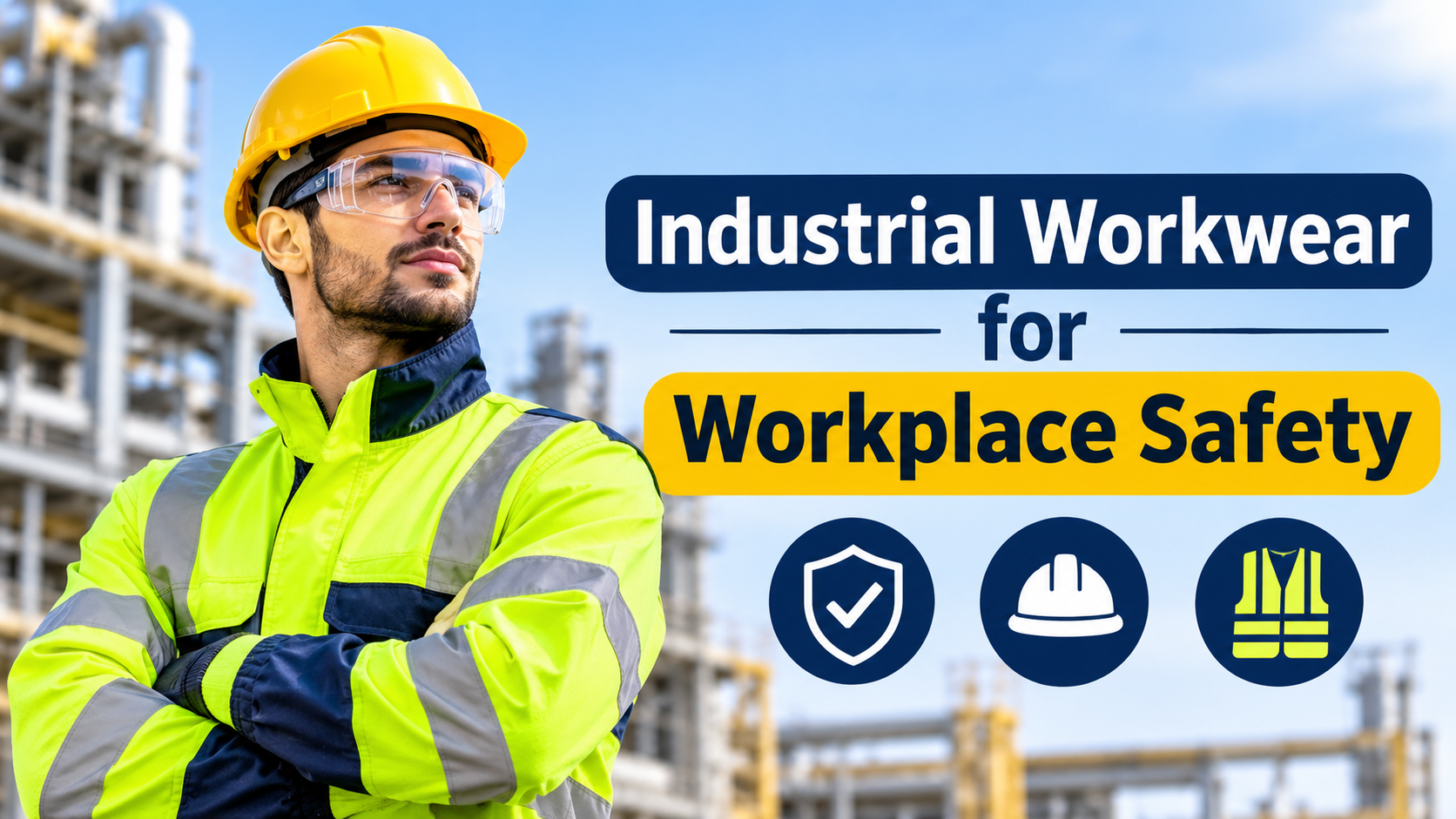
Workplace safety should always be a top priority, especially in industries where employees face daily risks. From construction sites and factories to warehouses and manufacturing units, workers need proper clothing to stay protected while performing their duties. This is where industrial workwear plays an important role in creating a safer working environment.
The right clothing does more than provide a professional appearance. It helps protect employees from injuries, harsh weather, chemicals, heat, and other workplace hazards. Choosing suitable garments can also improve comfort, confidence, and productivity throughout the working day.
Why Is Industrial Workwear Important?
Employees working in demanding environments often face risks that regular clothing cannot handle. Proper protective garments create an extra layer between workers and potential dangers.
Good workwear helps businesses:
- Reduce the risk of workplace injuries.
- Protect employees from dust, dirt, and harmful substances.
- Improve visibility in busy working areas.
- Provide comfort during long working hours.
- Maintain hygiene and professional standards.
Providing suitable clothing also shows that a company values its employees and takes workplace safety seriously.
Protection Against Workplace Hazards
Different industries have different safety requirements. Construction workers may deal with falling objects, sharp materials, and heavy machinery, while factory employees can face heat, sparks, and chemical exposure.
Protective clothing helps reduce these risks when selected according to the working environment.
Some common protective garments include:
- Flame-resistant clothing: Helps protect workers exposed to heat, sparks, and flames.
- High-visibility jackets: Makes employees easier to see around vehicles and heavy equipment.
- Protective trousers: Provides additional coverage against scratches, dirt, and minor injuries.
- Chemical-resistant garments: Helps protect skin from certain chemical splashes.
- Safety coveralls: Offers full-body coverage in environments where workers need extra protection.
However, clothing should always meet the relevant industry safety standards. It should also be used alongside suitable equipment such as helmets, gloves, goggles, and safety footwear.
How Does Proper Workwear Improve Employee Comfort?
Safety is important, but comfort should not be ignored. Workers who wear uncomfortable clothing may struggle to concentrate, move freely, or complete tasks efficiently.
Quality garments made with breathable and durable fabrics can make long shifts easier. Lightweight materials help manage heat, while flexible designs allow employees to bend, lift, and move without unnecessary restrictions.
Important features to consider include:
- Breathable fabrics for better airflow.
- Comfortable fitting for unrestricted movement.
- Moisture-wicking materials for physically demanding jobs.
- Strong stitching for regular use.
- Suitable fabric thickness for different weather conditions.
When employees feel comfortable, they can focus better on their responsibilities.
The Role of High-Visibility Clothing
Poor visibility can create serious risks in workplaces where vehicles, forklifts, and heavy machinery operate. Employees working outdoors or during night shifts need clothing that makes them clearly visible.
High-visibility jackets, trousers, and vests often include bright fluorescent colours and reflective strips. These features help drivers and machine operators notice workers from a greater distance.
Businesses should select visibility garments according to workplace conditions and applicable safety regulations. Regular inspection is also important because damaged reflective strips or faded materials can reduce their effectiveness.
Choosing the Right Fabrics and Designs
Fabric selection has a direct impact on garment performance. Businesses should consider the type of work, environmental conditions, washing requirements, and expected garment lifespan before purchasing uniforms.
A reliable textile sourcing company can help businesses find suitable materials and manufacturers for their clothing requirements. This can make it easier to compare fabric quality, durability, production capacity, and pricing.
Before placing a bulk order, companies should check:
- Fabric strength and resistance to wear.
- Breathability and comfort.
- Colourfastness after repeated washing.
- Compliance with relevant safety standards.
- Stitching quality and garment construction.
- Supplier reliability and production consistency.
Making careful choices can help businesses avoid poor-quality clothing that wears out quickly or fails to provide the required protection.
Regular Maintenance and Replacement
Even high-quality protective garments need proper care. Frequent washing, heavy use, and exposure to harsh materials can affect their performance over time.
Employers should create a simple inspection and maintenance routine. Employees should also know how to identify damaged clothing and report problems before they become safety concerns.
Consider these maintenance practices:
- Follow the manufacturer’s washing instructions.
- Check seams, fasteners, and reflective strips regularly.
- Replace torn or badly worn garments.
- Store protective clothing in clean, dry areas.
- Keep separate garments for tasks involving different hazards.
Replacing damaged workwear at the right time helps maintain consistent protection.
How Can Businesses Make Better Workwear Decisions?
Buying protective clothing should not be based on price alone. Cheap garments may seem like a good investment initially, but poor fabric quality and weak stitching can lead to frequent replacements.
Businesses should compare suppliers, request fabric samples, and check product specifications before making large purchases. Working with an experienced textile sourcing company can also help companies identify suitable production partners and maintain consistent garment quality.
It is equally important to collect employee feedback. Workers can explain which designs feel comfortable, which fabrics perform well, and what improvements would make their daily tasks easier.
Conclusion
Workplace safety depends on several factors, and suitable clothing is one of the most important. Proper industrial workwear helps protect employees from common hazards, improves visibility, and supports comfort during demanding shifts. Businesses should focus on durable fabrics, suitable designs, regular maintenance, and trusted suppliers when purchasing protective garments. By making informed clothing choices, companies can create safer workplaces, support their employees, and maintain better working standards.