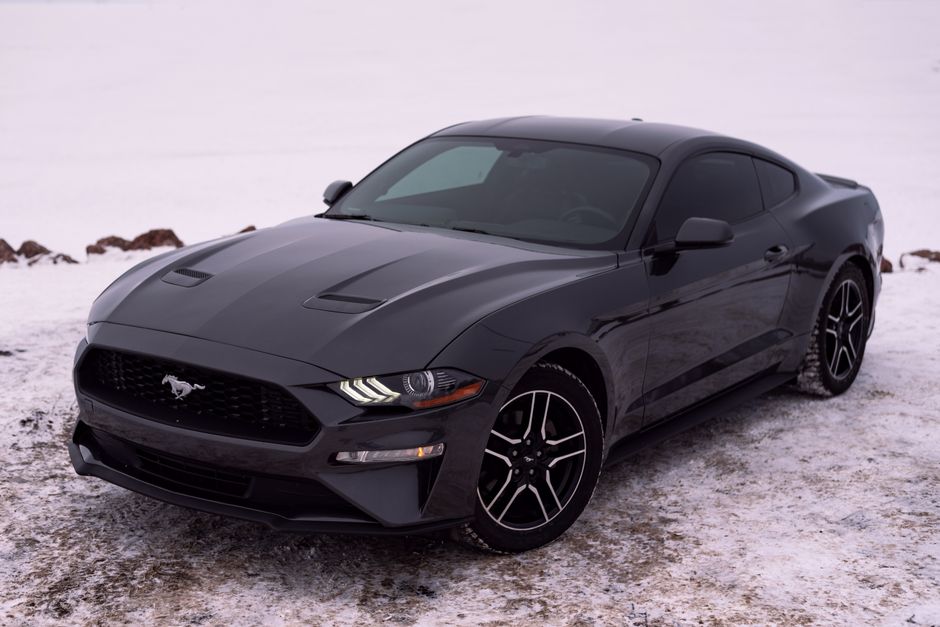
How to Choose a Ford for Troy Weather
Weather can influence how a vehicle handles, stops, and keeps passengers comfortable throughout the year. In Troy, Michigan, drivers may encounter cold temperatures, snow, ice, rain, and changing road conditions, making it useful to consider weather-related features when choosing a vehicle. If you are comparing options at used car dealerships Troy MI, look beyond appearance and price and consider drivetrain, tires, ground clearance, comfort features, and maintenance history. The right combination can make everyday driving more manageable during Michigan’s changing seasons.
Consider All-Wheel Drive for Winter Conditions
All-wheel drive can be useful when roads become snowy or slippery. Ford explains that AWD vehicles can have advantages over two-wheel-drive vehicles on snow and ice, although AWD does not prevent a vehicle from skidding.
When comparing Ford models, consider whether AWD is necessary for your typical driving. An SUV or crossover equipped with AWD may be particularly useful for drivers who regularly travel on roads that receive snow or become slippery during winter. However, AWD should be viewed as a traction aid rather than a replacement for careful driving.
Pay Attention to Tire Selection
Tires have a major effect on how a vehicle performs in cold and snowy conditions. Ford recommends winter or appropriate all-season tires when temperatures fall below 45°F or when driving in snow and ice, depending on the vehicle and tire specifications.
When shopping for a used Ford, inspect the tires carefully. Look at tread depth, tire age, wear patterns, and whether all four tires match the vehicle’s recommended specifications. A vehicle with AWD still depends on properly maintained tires to maintain traction.
Think About Ground Clearance
Ground clearance can be another consideration when comparing Ford cars, crossovers, SUVs, and trucks. Higher-clearance vehicles can provide additional space between the underside of the vehicle and accumulated snow or uneven surfaces.
However, more clearance does not automatically make a vehicle safer in every condition. A larger SUV or truck can have different handling characteristics from a lower passenger vehicle. Choose a vehicle based on the type of roads you normally travel rather than selecting a larger vehicle solely because it appears more capable.
Look for Cold-Weather Comfort Features
Michigan winters can make getting into a vehicle particularly uncomfortable. Features such as heated front seats, a heated steering wheel, remote start, and windshield or wiper-area heating can make cold-weather driving more convenient.
Some Ford models and packages have offered features designed for colder conditions, including heated steering wheels, heated seats, windshield wiper de-icers, and engine block heaters. Equipment varies by model year and trim, so check the specific vehicle rather than assuming every Ford includes the same features.
Consider Visibility and Driver Assistance
Winter weather can reduce visibility and make changing road conditions harder to anticipate. When comparing Ford vehicles, examine features that can support awareness, such as automatic lighting, rearview cameras, blind-spot monitoring, and other available driver-assistance technologies.
These systems can provide useful information, but they do not replace attentive driving. Ford’s guidance for snow and ice emphasizes slower speeds, greater stopping distances, and avoiding sudden steering or acceleration.
Check the Vehicle’s Maintenance History
A used vehicle’s condition may matter as much as its original equipment when preparing for Troy’s weather. Before purchasing, review maintenance records and look for evidence of regular oil changes, brake service, tire replacement, battery maintenance, and other scheduled work.
Pay particular attention to the battery and charging system because very cold temperatures can place additional demands on a vehicle. Also inspect the brakes, windshield wipers, lights, defroster, and climate-control system before making a decision.
Choose Based on Your Driving Routine
There is no single Ford configuration that suits every Troy driver. Someone who primarily drives through maintained city streets may have different requirements from a driver who regularly travels rural roads, highways, or areas that receive heavier snow.
Think about your daily commute, parking situation, passenger needs, cargo requirements, and typical winter travel. A compact Ford SUV may offer a practical balance for one driver, while another may prefer a larger SUV or truck with additional capability.
Remember That AWD Does Not Eliminate Winter Driving Risks
Even with AWD, winter roads can remain hazardous. Ford notes that an AWD vehicle may accelerate more effectively than a two-wheel-drive vehicle in snow or ice, but it does not stop faster because braking still occurs at all four wheels.
This makes tires, brakes, driving speed, following distance, and driver awareness important regardless of drivetrain. When conditions deteriorate, smooth steering, gradual acceleration, and increased stopping distance can help reduce the risk of losing traction.
Conclusion
Choosing a Ford for Troy weather involves more than selecting a particular body style or drivetrain. Consider AWD availability, tire condition, ground clearance, cold-weather comfort features, visibility technology, and the vehicle’s maintenance history. Most importantly, match the vehicle to your normal driving conditions rather than choosing equipment you may rarely use. A careful comparison of these factors can help you find a Ford that is practical for everyday travel through Michigan’s changing seasons.