Nepal is one of the world’s top trekking destinations. Thousands of trekkers visit every year to explore its towering Himalayan peaks, ancient villages, and breathtaking landscapes. Among the popular treks, the Everest Base Camp Trek, Annapurna Circuit Trek, and the 7 Days Annapurna Base Camp Trek are the most famous. Each trek gives a different experience depending on your time, fitness, and interests.
Everest Base Camp Trek Overview
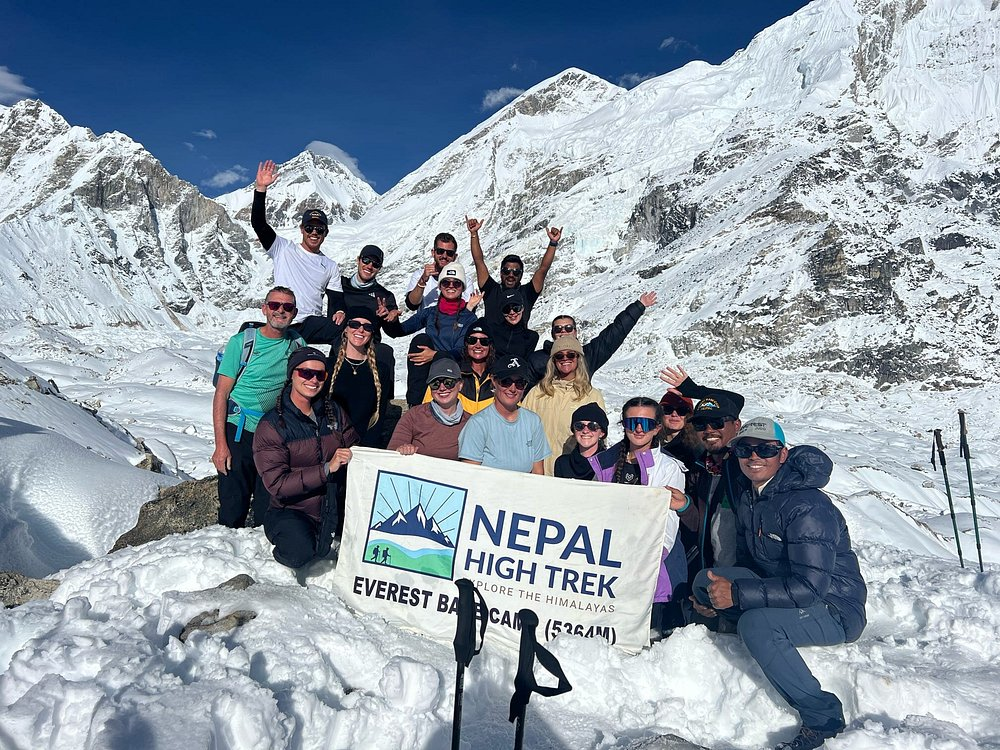
The Everest Base Camp Trek is one of the world’s most famous trekking adventures. Trekkers follow this route to reach the base of Mount Everest, the tallest peak in the world. The journey normally takes about 12–14 days. The highest viewpoint is Kala Patthar, which stands at 5,545 meters above sea level.
During the trek, travelers pass traditional Sherpa villages, glaciers, and long suspension bridges. Many also stop at Tengboche Monastery, one of the most famous monasteries in the region. Because of the high altitude, the trek can be challenging. Nights are often cold, and the mountain lodges are basic. Trekkers should walk slowly and take enough rest to reduce the risk of altitude sickness.
Annapurna Circuit Trek Overview
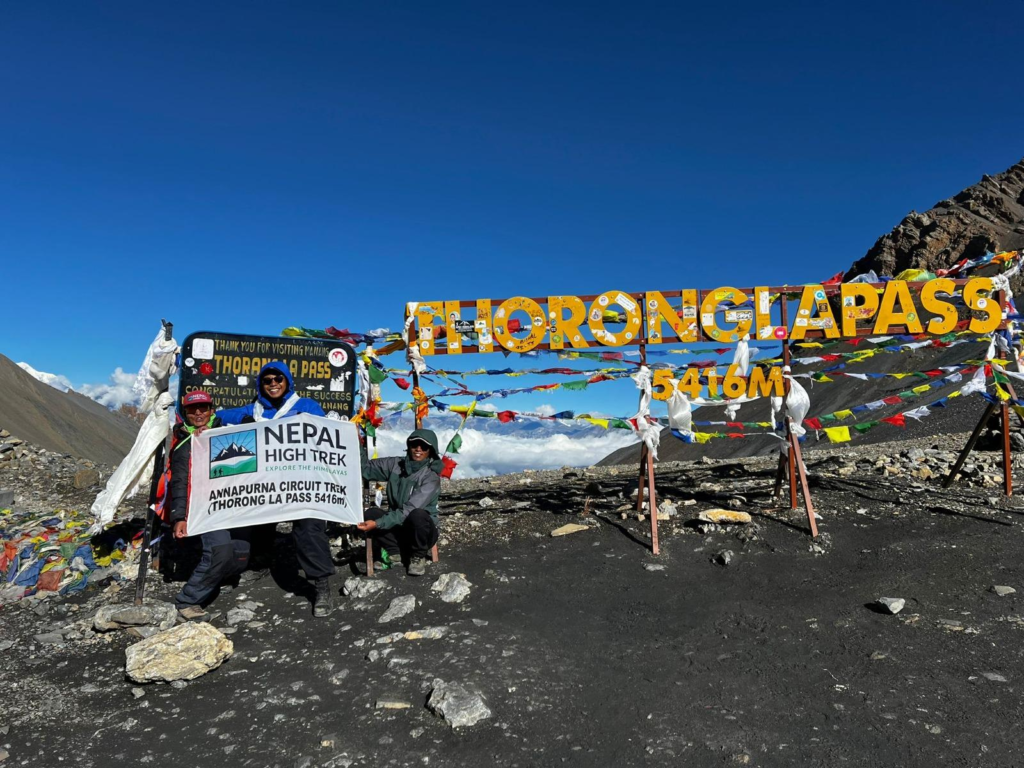
The Annapurna Circuit Trek (ACT) is famous for its wide variety of landscapes. Trekkers walk through green forests, farmland, rivers, and dry high mountain areas. The trek usually lasts 15–20 days, and the highest point is Thorong La Pass at 5,416 meters. Along the route, travelers pass villages like Manang and Jomsom and see turquoise rivers and scenic valleys.
This trek is longer than the EBC Trek, but because the climb is gradual, it is easier for your body to adjust to the altitude. It is perfect for trekkers who want a mix of natural beauty and cultural experiences.
7 Days Annapurna Base Camp Trek: Quick Guide
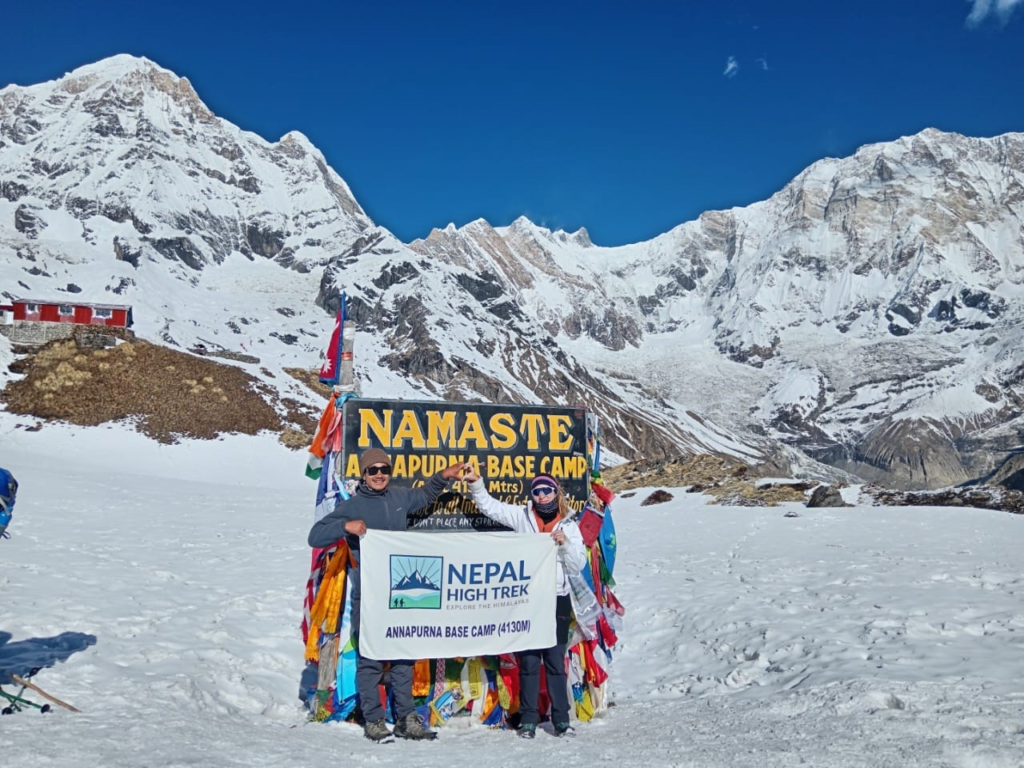
If you have limited time, the 7 Days ABC Trek is ideal. The trek starts from Pokhara and passes through Ghorepani and Chhomrong before reaching Annapurna Base Camp at 4,130 meters.
Along the way, trekkers enjoy rhododendron forests, waterfalls, and stunning views of the Himalayan peaks. The trek is moderately difficult and is suitable for beginners who have reasonable fitness. It offers a shorter but rewarding experience compared to longer treks like EBC or ACT.
Scenery and Landscape
The EBC Trek focuses on iconic mountains. Everest, Lhotse, and Ama Dablam dominate the skyline, giving trekkers breathtaking views at every step. Glaciers, narrow alpine trails, and suspension bridges make the trek even more adventurous.
The Annapurna Circuit Trek offers a mix of different landscapes, including lush forests, farmland terraces, deep gorges, and dry high mountain regions. The scenery changes every day, making it a very diverse trekking experience.
The ABC Trek combines both worlds, with green forests, flowing waterfalls, and magnificent views of Annapurna and Machapuchare peaks. It is ideal for travelers looking for a shorter but visually rewarding trek.
Altitude, Difficulty, and Acclimatization
Height is an important factor when choosing a trek. The EBC Trek reaches a maximum of 5,545 meters and usually requires 12–14 days for proper acclimatization.
The Annapurna Circuit Trek reaches 5,416 meters at Thorong La Pass and allows trekkers to adjust slowly due to its longer duration.
The 7 Days ABC Trek peaks at 4,130 meters and needs moderate fitness and careful pacing. To avoid altitude sickness, drink plenty of water, sleep lower than the height you climb, avoid alcohol, and consider taking medicine if needed.
Cultural Experiences
Nepal is full of unique cultures. On the EBC Trek, trekkers meet Sherpa people and visit Buddhist monasteries along the route.
The Annapurna Circuit Trek gives travelers the chance to meet Gurung, Thakali, and Tibetan communities, explore traditional houses, and experience local festivals.
The 7 Days Annapurna Base Camp Trek lets trekkers connect with local Gurung communities and stay in tea houses along the route, offering a meaningful cultural experience even on a shorter trek
Accommodation and Food
Lodging and food vary depending on the trek. On the EBC Trek, tea houses are basic, and meals include simple dishes like noodles, rice, and local foods.
The Annapurna Circuit Trek passes through more villages, providing more options for both accommodations and meals.
On the ABC Trek, tea houses in main stops are comfortable, and meals include Dal Bhat, soups, and some simple Western dishes. Booking in advance during the busy season ensures a better stay and meal options.
Cost and Permits
The cost of trekking varies. The EBC Trek typically costs between $1,200 and $1,500, including permits, accommodation, and food.
The Annapurna Circuit Trek costs around $1,000–$1,300, including the Annapurna Conservation Area Permit (ACAP).
The 7 Days ABC Trek is more budget-friendly, ranging from $600–$800 for the full trip. Hiring guides or porters is recommended for safety and convenience. Tipping is also customary for good service.
Best Seasons
Spring (March–May) and autumn (September–November) are the best seasons for trekking in Nepal. In spring, flowers bloom, skies are clear, and the weather is moderate.
Autumn brings calm weather and breathtakingly clear views of the mountains. Monsoon season (June–August) brings lush greenery but slippery trails.
Winter (December–February) is cold and less crowded, but the mountains are beautifully covered in snow. Spring and autumn are generally the safest and most enjoyable seasons for all three treks.
Wildlife, Safety, and Medical Support
Nepal’s trekking regions are mostly safe, but precautions are important. Trekkers should carry a basic first-aid kit and medicine for altitude sickness. It is important to inform guides about any health issues.
Wildlife along the trails includes Himalayan Thar, monkeys, and birds, though dangerous animals are rare. Mobile coverage and rescue support are available on main trekking paths, especially for popular routes. Guided treks make the journey safer and more enjoyable.
Why Choose Nepal High Trek?
Nepal High Trek is known for experienced guides, well-planned itineraries, and reliable trekking support. The company provides skilled guides, porters, custom trekking packages, GPS tracking, and emergency support.
They also give trekkers access to authentic local villages and offer clear pricing with group discounts. With Nepal High Trek, travelers can enjoy a safe, organized, and memorable trek in Nepal.
Choosing the Right Trek
The EBC Trek is best for those who want iconic mountains, high-altitude adventure, and Sherpa culture.
The Annapurna Circuit Trek is suitable for travelers who want a long trek with diverse landscapes, cultural interactions, and gradual acclimatization.
The 7 Days ABC Trek is perfect for those looking for a shorter, scenic, and moderately challenging trek. Your choice depends on your fitness, time, budget, and adventure goals.
Conclusion
Nepal offers trekking experiences for every type of traveler. The EBC Trek offers famous mountains and Sherpa culture, the Annapurna Circuit Trek gives diverse landscapes and rich cultural experiences, and the ABC Trek provides a shorter, scenic, and easier adventure. With proper preparation and a trusted company like Nepal High Trek, your trek in Nepal will be safe, fun, and unforgettable.
We’re Nepal High Trek And Expedition Pvt. Ltd., based in Kathmandu, specializing in treks, climbs, and more for solo travelers and private groups.
Contact us at info@nepalhightrek.com or WhatsApp +977 9851142116.
READ ALSO: Amazing Short Everest Base Camp Trek and Best Treks in Nepal