The plumbing system in any UK home plays a crucial role in ensuring clean water flows efficiently through your household while waste water is safely carried away. However, maintaining this system involves more than just understanding how pipes and fixtures work. A critical question every homeowner should ask is: “What should be designed into an operations plumbing system to prevent backflow?” This is an essential aspect of plumbing that protects your home’s water supply and ensures safety and hygiene.
In this article, we’ll dive into the details of the UK house plumbing system, how it works, and the measures that should be put in place to prevent backflow—a potentially hazardous issue for any property.
How the UK House Plumbing System Works
The UK plumbing system is designed to deliver clean water to your home while disposing of waste water efficiently. It typically consists of two main parts:
1. The Water Supply System
This part of the plumbing system brings fresh water into your home. It includes water mains, pipes, and fixtures like taps, showers, and washing machines. The water supply system is connected to the public water network or, in some rural areas, a private water source like a well.
2. The Drainage System
The drainage system removes wastewater from your home and directs it to sewage treatment plants or private septic systems. It includes pipes, drains, traps, and vent systems to keep waste flowing smoothly.
Key Features of the UK Plumbing System:
- Sealed Systems: UK homes use sealed systems to maintain water pressure and ensure efficient water delivery.
- Ventilation Pipes: These pipes help regulate air pressure in the drainage system and prevent foul smells from entering your home.
- Traps: Water traps under sinks and toilets block sewer gases from traveling back into the home.
While the UK plumbing system is efficient, it is not immune to issues like leaks, clogs, or backflow. Backflow, in particular, can pose serious health risks.
What is Backflow and Why Is It Dangerous?
Backflow occurs when water flows in the opposite direction within your plumbing system, potentially contaminating your clean water supply. It happens when there is a sudden change in water pressure, such as during a burst pipe, or if there’s a cross-connection between clean and wastewater systems.
Common Causes of Backflow:
- Back Pressure: This occurs when the pressure in your plumbing system exceeds the pressure in the public water supply, forcing contaminated water back into the clean water system.
- Back Siphonage: This happens when there’s a sudden drop in pressure in the water supply, causing wastewater to be sucked back into the clean water lines.
Why Is Backflow Dangerous?
- Health Risks: Contaminated water can carry harmful bacteria, chemicals, and waste, posing serious health risks to you and your family.
- Plumbing Damage: Backflow can corrode pipes and damage appliances, leading to costly repairs.
What Should Be Designed Into an Operations Plumbing System to Prevent Backflow?
Preventing backflow is essential for maintaining a safe and efficient plumbing system. Here are some key measures that should be incorporated into any operational plumbing system:
1. Backflow Prevention Devices
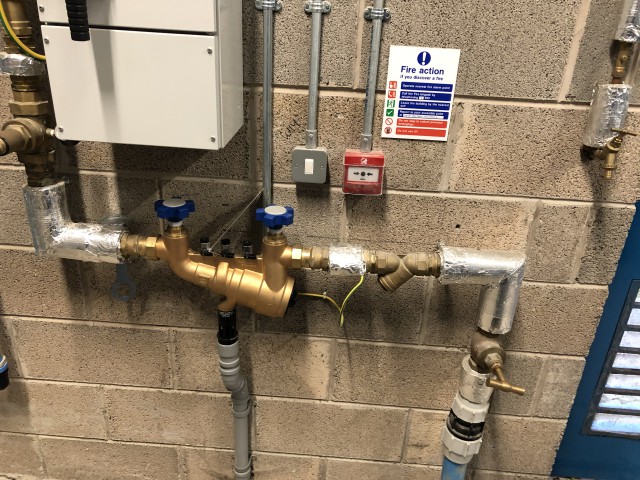
Installing backflow prevention devices is the most effective way to stop contaminated water from flowing back into your clean water supply. Common devices include:
- Air Gaps: A physical gap between the water outlet and the flood level of a fixture, preventing contaminated water from siphoning back.
- Check Valves: These allow water to flow in only one direction, blocking reverse flow.
- Reduced Pressure Zone (RPZ) Valves: These advanced devices are designed to detect and prevent backflow in complex systems.
2. Proper System Design
A well-designed plumbing system minimizes the risk of backflow. This includes:
- Keeping clean water lines separate from wastewater lines.
- Installing water traps and vents to maintain proper pressure.
- Avoiding cross-connections that could allow wastewater to mix with clean water.
3. Regular Maintenance
Routine inspections and maintenance are essential for preventing backflow. This includes:
- Checking for leaks, cracks, or blockages in your pipes.
- Testing backflow prevention devices to ensure they’re working correctly.
- Ensuring air gaps and check valves are properly installed.
4. Compliance with UK Plumbing Regulations
In the UK, plumbing systems must comply with the Water Supply (Water Fittings) Regulations 1999. These regulations outline the standards for installing and maintaining plumbing systems to prevent contamination and ensure safety.
Signs Your Plumbing System May Be at Risk of Backflow
If you notice any of the following signs, your plumbing system may be at risk of backflow:
- Foul smells coming from taps or drains.
- Discolored or murky water from your faucets.
- A sudden drop in water pressure.
- Gurgling sounds in your plumbing system.
If you experience any of these issues, it’s essential to consult a professional plumber immediately to diagnose and address the problem.
Tips for Maintaining a Backflow-Free Plumbing System
- Install Backflow Prevention Devices: Ensure your home is equipped with the appropriate devices to stop reverse water flow.
- Inspect Your Plumbing System Regularly: Look for signs of wear and tear, leaks, or other issues.
- Avoid DIY Fixes: Plumbing is complex, and improper fixes can lead to backflow or other problems. Always hire a qualified plumber.
- Educate Your Household: Make sure everyone in your home understands the importance of proper plumbing usage, including what not to flush down the toilet or pour down the sink.
Conclusion
A well-maintained plumbing system is essential for every UK home, and preventing backflow should be a top priority. By incorporating backflow prevention devices, ensuring proper system design, and following regular maintenance practices, you can protect your home’s water supply and avoid costly plumbing issues.
For more expert advice on maintaining your plumbing system and improving your home, visit Home Comfort Experts. This trusted website offers free tips and tricks for home improvement and plumbing maintenance, helping you keep your home safe, efficient, and comfortable. Whether you’re tackling a plumbing problem or upgrading your living space, Home Comfort Experts is your go-to resource for reliable and practical advice.
READ ALSO: Tenant Rights Against Negligent Landlords: A Practical Overview