Long-stay rental homes in Portugal are no longer viewed as temporary housing. They are becoming lived-in spaces where daily routines, personal taste, and lifestyle choices take shape over time. What was once a short-term arrangement has gradually turned into something closer to home-making, shaped by flexibility, design preferences, and outdoor living habits.
Across coastal regions and urban centres, including areas linked to holiday rentals in Portugal, the change is already visible in how people occupy, adapt, and personalise rental properties.
From temporary stays to everyday living
Rental behaviour in Portugal has shifted noticeably in recent years. Long-term tenants are staying longer, investing more in their surroundings, and treating rented homes as permanent environments rather than transitional spaces.
According to Idealista Portugal rental market reports, extended tenancy durations have increased in high-demand regions, particularly in coastal and metropolitan areas. This reflects both housing pressure and changing lifestyle expectations.
At the same time, OECD housing lifestyle data highlights a wider European trend where renting is no longer seen as a secondary option, but as a long-term housing model in its own right.
In practical terms, this means renters are no longer waiting for ownership to define how they live. They are shaping their current space instead.
Personalisation as a new rental standard
One of the clearest changes is how tenants personalise their homes. Rental properties are increasingly adapted with removable décor, modular furniture, and flexible layouts that allow spaces to evolve.
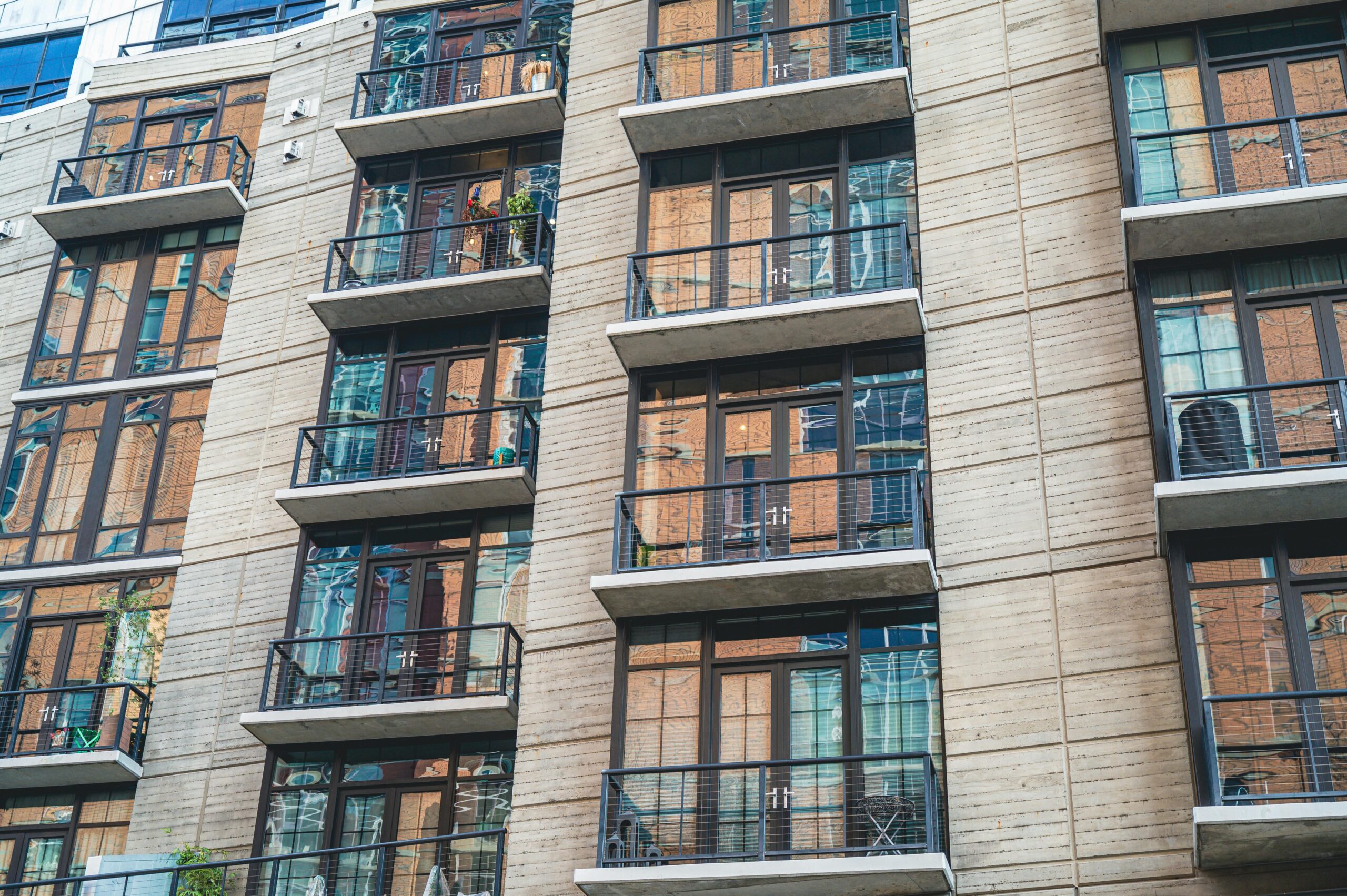
Walls are softened with artwork and temporary finishes. Living rooms double as workspaces. Dining areas are rearranged for multifunctional use. Even small balconies are being converted into usable outdoor zones.
This shift is particularly visible in coastal regions, where lifestyle plays a central role in housing decisions. In parts of the Algarve, properties under Algarve villa rentals are often held for extended periods, allowing tenants to gradually reshape how each space is used in daily life.
The idea of “moving in temporarily” is fading. In its place is a more intentional approach to living in rented space.
The role of outdoor living in rental culture
Outdoor space has become a defining factor in rental satisfaction. Portugal’s climate allows terraces, balconies, and gardens to function as extended living areas for much of the year.
Tenants are using these spaces for dining, working, and relaxation, not just occasional use. This has changed how rental homes are evaluated. Outdoor usability now carries nearly as much weight as interior size.
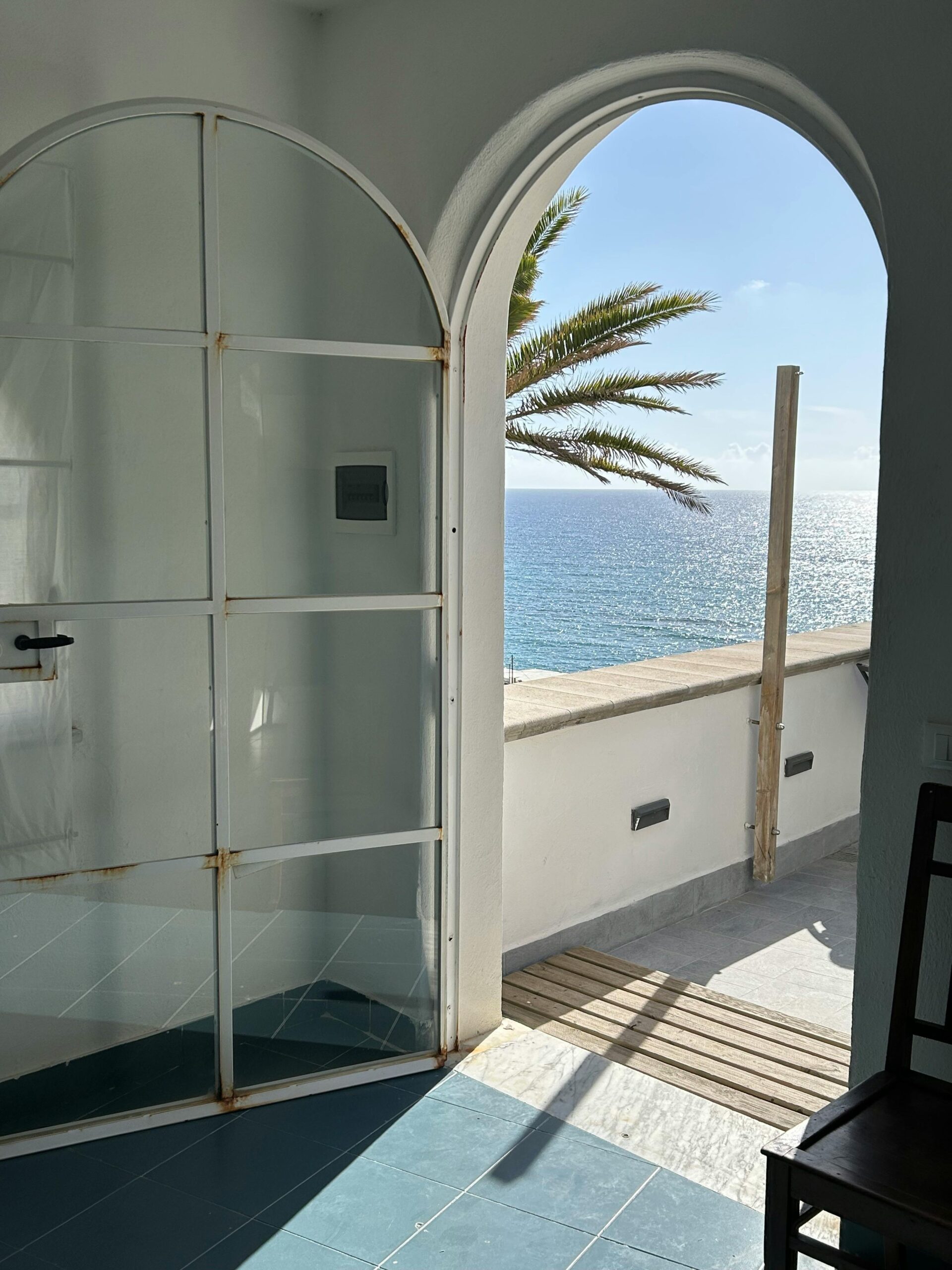
In coastal regions, especially the Algarve, outdoor living is closely tied to lifestyle identity. Even compact apartments are expected to offer some form of usable exterior space, whether for morning routines or evening meals.
Why long-stay tenants invest more emotionally
Longer stays naturally lead to stronger attachment. When tenants remain in one place for months or years, they begin to invest not just financially, but emotionally in their surroundings.
This includes small but meaningful adjustments: better lighting, improved seating areas, or personalised storage solutions. These changes are not about ownership, but about comfort.
The result is a rental environment that feels less temporary and more stable. Homes are no longer just occupied, they are shaped by the people living inside them.
Algarve as a case study in lifestyle renting
The Algarve offers a clear example of this shift. Traditionally associated with tourism and seasonal stays, it is now also a hub for long-term living.
Properties linked to holiday rentals in Algarve are increasingly occupied for extended periods, particularly by remote workers, retirees, and international residents seeking climate stability and lifestyle balance.
This has created a blended housing environment where seasonal demand and long-term tenancy overlap. Homes are no longer defined solely by tourism cycles, but by year-round living patterns.
According to housing research and market data
According to OECD housing lifestyle data, rental housing across Europe is becoming more integrated into everyday life rather than treated as transitional accommodation. This includes greater investment in interior quality, stability of tenancy agreements, and adaptation of space for personal use.
Idealista Portugal rental market reports also show that demand for longer leases continues to rise in regions with strong international appeal, particularly coastal areas where lifestyle factors influence housing decisions as much as price.
Together, these data points reflect a broader transformation in how rental housing is understood and used.
Flexibility as the defining feature of modern rentals
Flexibility is central to this change. Rental homes are no longer expected to remain static. Instead, they are adapted over time to suit changing routines.
A living room may become a workspace during weekdays. A balcony may function as a dining area in the evening. Bedrooms may be reconfigured to support hybrid working arrangements.
This adaptability is shaping expectations for both tenants and landlords. Properties that allow functional flexibility are more likely to retain long-term occupants.
Furniture and design influence on rental behaviour
Interior choices are also changing. Lightweight furniture, modular seating, and adaptable storage solutions are increasingly common in long-stay rentals.
Rather than investing in permanent installations, tenants prefer reversible changes that allow personalisation without long-term commitment. This includes movable shelving, foldable tables, and multi-use seating areas.
Design is no longer purely aesthetic. It is functional, responsive, and tied directly to how people live day to day.
Outdoor spaces as extensions of the home
Outdoor areas are no longer secondary features. They are becoming essential parts of rental living.
Balconies are used for work breaks, meals, and relaxation. Shared gardens are treated as social spaces. Terraces become informal living rooms during warmer months.
This is especially evident in coastal regions, where climate conditions support year-round outdoor use. It reinforces the idea that rental homes are no longer contained within four walls.
The landlord perspective and evolving expectations
Landlords are also adapting to this shift. Longer tenancies reduce turnover and provide more stable income, but they also require a different approach to property management.
Tenants now expect homes that support longer-term living, including better storage, improved layouts, and functional outdoor areas. Properties that fail to meet these expectations tend to experience higher vacancy rates.
As a result, rental standards are gradually rising, particularly in high-demand coastal markets.
The blending of lifestyle and housing
The distinction between lifestyle and housing is becoming less clear. Renting is no longer just about having a place to stay. It is about how that space supports daily life.
This is particularly visible in regions where lifestyle migration is strong. The Algarve, Lisbon, and other coastal areas have become places where housing choices are driven by climate, culture, and personal routine as much as employment or necessity.
Why this shift is likely to continue
Several factors suggest this trend will persist. Housing affordability pressures continue to make ownership less accessible in many regions. At the same time, remote work and mobility have changed how people think about location.
These conditions support longer rental stays and greater investment in rented environments. As a result, homes are increasingly treated as long-term lifestyle spaces rather than temporary arrangements.
Conclusion
Long-stay rental homes in Portugal are undergoing a structural change. What was once temporary housing is now becoming a stable part of everyday life, shaped by personalisation, flexibility, and outdoor living.
In coastal regions linked to holiday rentals, and across broader rentals markets, the pattern is clear. Tenants are staying longer, adapting more, and treating rental homes as spaces to build daily routines rather than pause them.
Supported by Idealista market data and OECD housing research, the shift is not isolated. It reflects a wider redefinition of what renting means in modern housing systems.
Rental homes are no longer just places to live between decisions. They are becoming the setting for those decisions themselves.