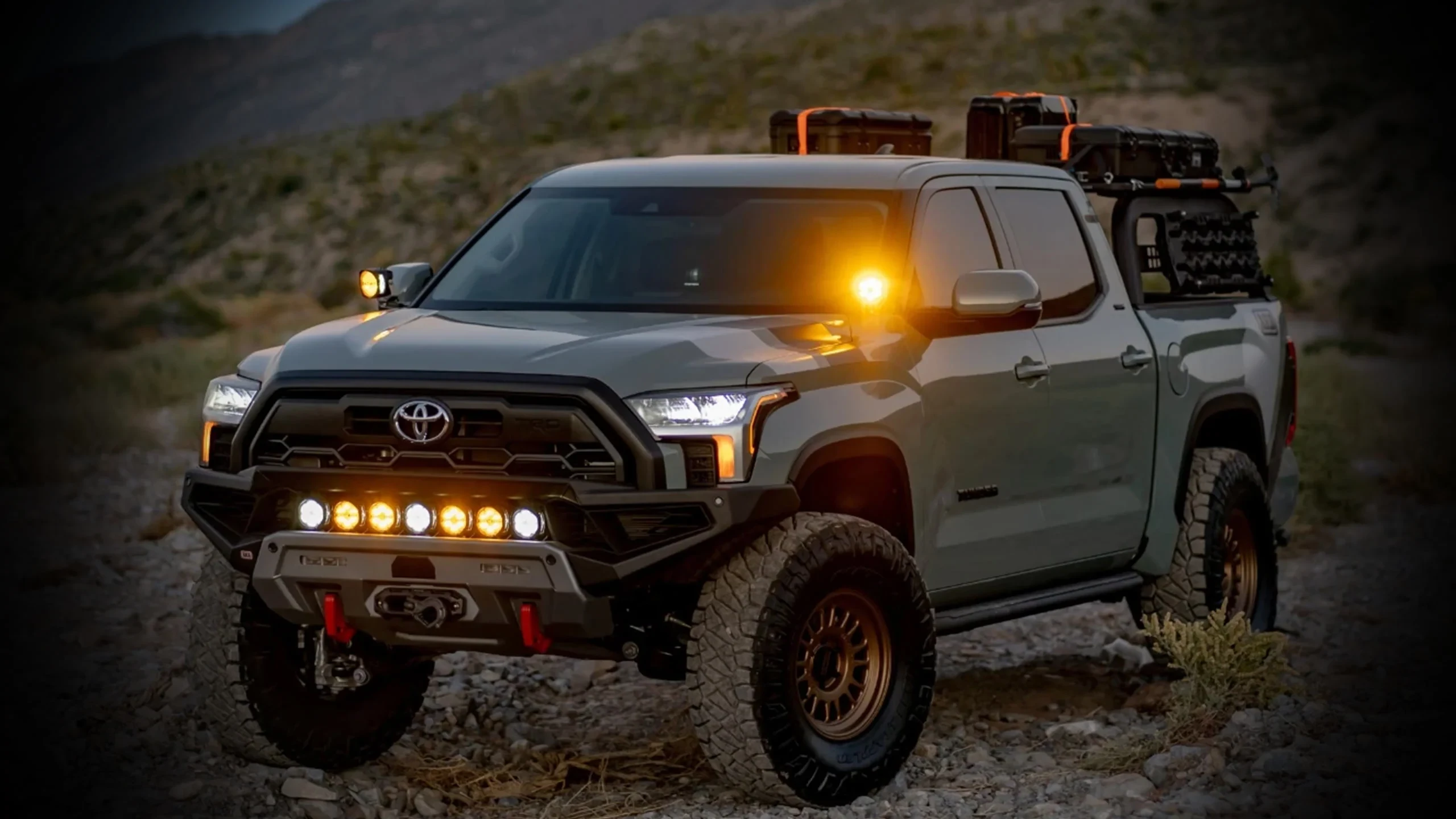
Buying a used truck can be a smart investment, especially if you need power, durability, and utility without paying the high price of a new vehicle. However, the condition of a used truck depends heavily on how it was previously driven and maintained, which makes inspection a critical step in the buying process. Many buyers searching for used trucks for sale in Salem are looking for dependable vehicles, but finding the right one requires careful evaluation to avoid costly mistakes.
A proper inspection helps you understand the real condition of the truck, identify hidden issues, and ensure that you are getting value for your money. Whether you plan to use the truck for work, towing, or daily driving, knowing what to check can save you from future repairs and frustration.
Start With a Careful Exterior Inspection
The first impression of a used truck often comes from its exterior condition, and it can reveal a lot about how the vehicle was treated.
Begin by walking around the truck slowly and checking for:
Dents, scratches, or uneven paint
Rust spots on the body or undercarriage
Mismatched paint colors (sign of repairs)
Cracks or damage to lights and mirrors
Loose or misaligned body panels
Rust is especially important to check in areas like wheel wells, the frame, and the underside of the truck. Surface rust may be normal, but deep corrosion can compromise structural safety and lead to expensive repairs.
A clean exterior does not guarantee mechanical health, but visible damage can indicate neglect or previous accidents.
Inspect the Truck Frame and Undercarriage
The frame is the backbone of any truck, and its condition is one of the most important factors in determining long-term durability.
When inspecting the frame, look for:
Bends or cracks in metal structure
Heavy rust or corrosion
Welding marks that suggest past damage
Uneven alignment of frame rails
A damaged frame can significantly affect safety and performance. Trucks that have been in serious accidents may have hidden structural issues that are not immediately visible from the outside.
If possible, inspect the undercarriage with a flashlight or take the truck to a mechanic for a lift inspection. This step is especially important for trucks that have been used for towing or off-road driving.
Check Tire Condition and Suspension Wear
Tires and suspension components can tell you a lot about how the truck was driven and maintained.
Look for:
Uneven tire wear patterns
Cracks or bulges in tires
Low tread depth
Sagging suspension or uneven ride height
Excess bouncing when pressing on the truck bed
Uneven tire wear often indicates alignment issues or suspension problems. Worn suspension components can lead to poor handling and unsafe driving conditions.
A truck with well-maintained tires and balanced suspension is more likely to have been cared for properly.
Examine the Engine for Signs of Trouble
The engine is one of the most expensive parts to repair, so a thorough inspection is essential before purchase.
When checking the engine, look for:
Oil leaks around seals or gaskets
Dirty or low fluid levels
Strange noises such as knocking or ticking
Smoke from the exhaust during startup
Strong fuel or burning smells
Start the engine both cold and warm if possible. A healthy engine should start smoothly without hesitation and run quietly without excessive vibration.
Also check the condition of belts, hoses, and battery connections, as these components reflect overall maintenance quality.
Test the Transmission and Gear Shifting
Transmission problems can be costly, so it is important to evaluate how smoothly the truck shifts during a test drive.
Watch for:
Delayed gear shifts
Jerky or rough transitions
Grinding noises when changing gears
Slipping under acceleration
Whether automatic or manual, the transmission should feel smooth and responsive. Any hesitation or unusual behavior could indicate internal wear or lack of maintenance.
A properly functioning transmission is essential for both performance and safety, especially in heavy-duty trucks.
Evaluate Brakes and Steering Response
Brakes and steering are critical safety systems that must be inspected carefully before purchase.
Check for:
Soft or spongy brake pedals
Squeaking or grinding noises when braking
Uneven braking response
Steering wheel vibration
Pulling to one side while driving
A test drive is the best way to evaluate these systems. The truck should stop smoothly without excessive force and maintain straight steering alignment on flat roads.
Brake repairs can be expensive, so any issues should be factored into your buying decision.
Inspect Interior Condition and Electronics
The interior condition of a truck can reveal how well the previous owner treated the vehicle.
Look for:
Worn or torn seats
Damaged dashboard or controls
Non-working air conditioning or heating
Malfunctioning infotainment system
Warning lights on the dashboard
Test all electronics, including windows, locks, lights, and audio systems. Interior wear is normal in used trucks, but excessive damage may indicate heavy use or neglect.
A well-maintained interior often reflects overall vehicle care.
Review Mileage and Service History
Mileage is an important factor, but it should always be evaluated alongside maintenance records.
Check for:
Consistent service history
Regular oil changes and maintenance logs
Timing belt or major service records
Accident history reports
Suspicious mileage inconsistencies
A well-maintained high-mileage truck can often be a better choice than a low-mileage truck with poor maintenance. Service records help verify how the vehicle was cared for over time.
Take a Thorough Test Drive
A test drive is one of the most important steps in the inspection process.
During the drive, evaluate:
Acceleration performance
Brake responsiveness
Transmission smoothness
Suspension comfort
Noise levels inside the cabin
Try driving on different road types if possible, including highways and rough roads. This helps reveal issues that may not be visible while the truck is stationary.
Pay attention to how the truck feels overall. A smooth, stable drive is a good sign of proper maintenance.
Check for Signs of Previous Accidents
Accident history can significantly affect a truck’s reliability and value.
Look for:
Uneven body panel gaps
Repainted sections of the body
Welding marks on the frame
Airbag replacement indicators
Mismatched interior parts
Even if a truck looks fine externally, hidden accident damage can lead to long-term structural and mechanical issues.
A vehicle history report can also help confirm whether the truck has been in any reported accidents.
Have a Professional Inspection Done
Even if everything looks good during your inspection, a professional mechanic can identify issues that are not easily visible.
A professional inspection can reveal:
Hidden engine problems
Frame or structural damage
Transmission wear
Electrical system issues
Suspension weaknesses
This step is especially valuable for buyers who are not experienced with trucks. The cost of inspection is small compared to potential repair expenses.
Conclusion
Inspecting a used truck before buying in Roanoke is essential for making a smart and safe investment. From checking the exterior and frame to evaluating the engine, transmission, and suspension, every step helps you understand the true condition of the vehicle.
A careful inspection reduces the risk of unexpected repairs and ensures that you choose a truck that fits your needs and budget. Whether you are using it for work, towing, or everyday driving, taking the time to properly evaluate a used truck will help you make a confident and informed decision.