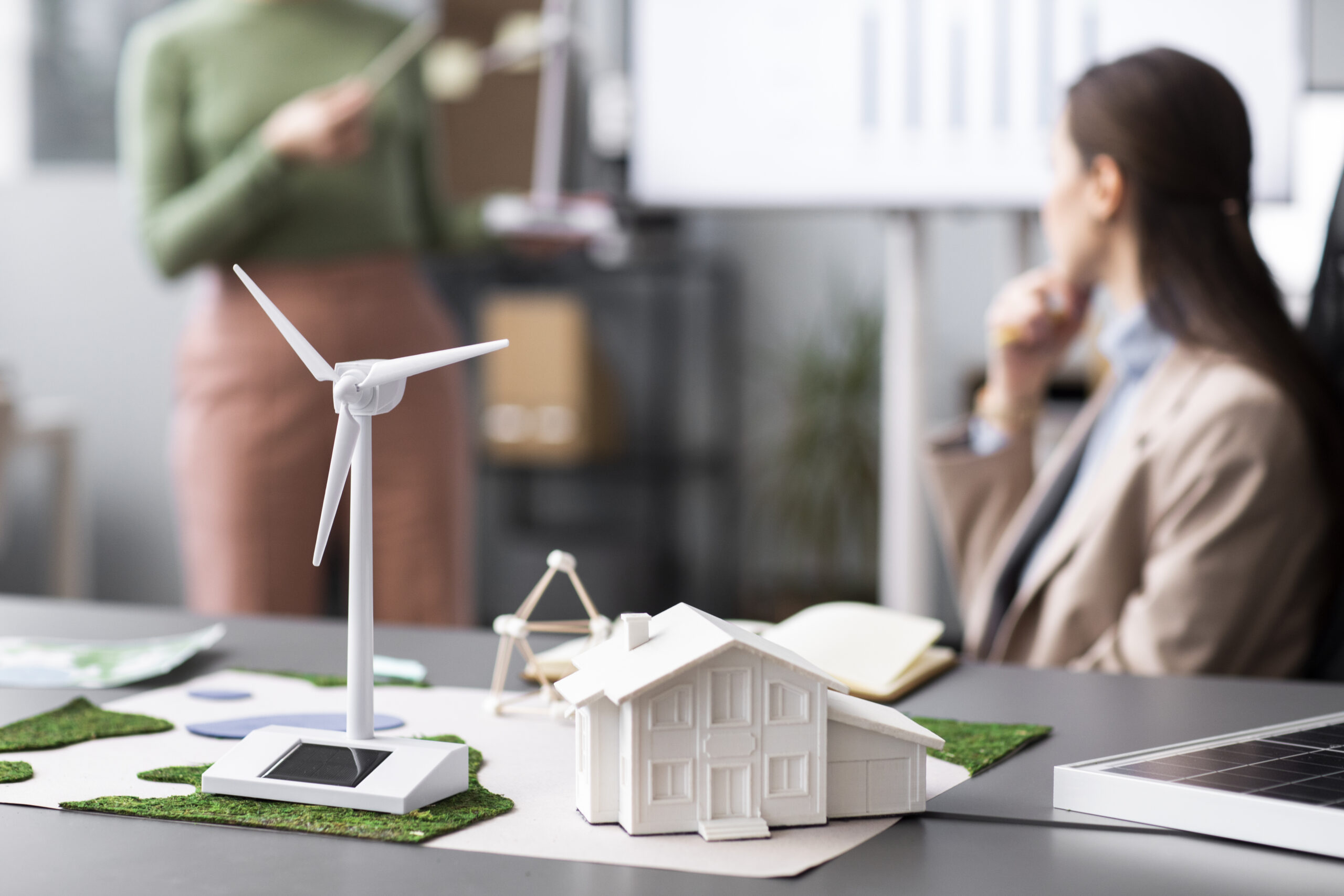
Enhancing your home’s value is often a priority for many homeowners. While aesthetic renovations are popular, a strategic approach involves focusing on energy-efficient upgrades. These improvements reduce your carbon footprint, lead to substantial savings on utility bills, and significantly boost property market appeal. Embracing energy efficiency is a smart financial decision.
The Financial Benefits of Eco-Friendly Homes
Making the shift toward an eco-friendly living environment brings substantial financial advantages that extend far beyond the initial installation phase. When you reduce the amount of power your household consumes on a daily basis, your monthly utility bills drop accordingly. Over the span of a few years, the cumulative savings from these reduced energy costs can easily offset the upfront expenses associated with the upgrades.
Furthermore, buyers increasingly prioritize sustainability when searching for a new property. Homes equipped with modern green technology often sell faster and command higher market prices compared to traditional homes. Prospective buyers recognize that purchasing a sustainable house means they will inherit lower operating costs and a more comfortable living environment. This growing buyer preference directly translates into higher appraisal values, ensuring that your initial investment yields a strong return when it comes time to list the property on the market.
Key Energy-Efficient Upgrades for Maximum Impact
Focusing on specific areas of your property can maximize both your energy savings and your overall property value. By addressing structural vulnerabilities and modernizing outdated equipment, you create a comprehensive approach to home performance.
Enhancing Your Home’s Envelope
The building envelope consists of the roof, walls, windows, and doors that separate your indoor living space from the outdoor elements. Improving this barrier is one of the most cost-effective ways to reduce power consumption. Adding high-quality insulation to your attic and walls prevents heated air from escaping during the winter and blocks intense heat from entering during the summer.
Upgrading to double-pane or triple-pane windows featuring low-emissivity glass provides an additional layer of thermal protection. Sealing leaks around doors and window frames with weatherstripping or caulk further strengthens the envelope. These modifications reduce the workload on your climate control systems, lowering energy usage while creating a draft-free, comfortable indoor atmosphere.
Advanced HVAC Systems
Heating, ventilation, and air conditioning systems are responsible for the majority of a household’s energy consumption. Replacing an aging, inefficient furnace or air conditioner with a modern, high-efficiency unit dramatically cuts down on power usage. Modern systems utilize advanced variable-speed motors and improved heat exchange technology to maintain consistent indoor temperatures with minimal energy expenditure.
Heat pumps represent another highly effective upgrade. These systems transfer heat rather than generating it, offering both heating and cooling functions in a single, highly efficient package. Maintaining your ductwork by sealing leaks and ensuring proper airflow also guarantees that the conditioned air reaches its intended destination without being wasted in unoccupied spaces like crawlspaces or unfinished basements.
Smart Home Technology Integration
Automating your household systems provides unprecedented control over your daily energy consumption. Programmable thermostats learn your daily routines and automatically adjust the temperature to conserve power when the house is empty, returning to a comfortable setting just before you arrive home. Smart lighting systems utilizing LED bulbs can be scheduled or triggered by motion sensors to ensure lights are never left on in unoccupied rooms.
Implementing these advanced systems often requires professional expertise to ensure safe and optimal functionality. If you are upgrading your electrical panel to accommodate new automated systems, seeking out smart home electrical services in Salt Lake City or your local metropolitan area ensures the hardware communicates effectively. Smart power strips and energy-monitoring devices also allow you to track real-time consumption data, helping you identify and eliminate unnecessary power drains caused by appliances in standby mode.
Renewable Energy Solutions
Generating your own clean electricity drastically reduces your reliance on the traditional power grid. Installing solar panels on your roof is a highly desirable feature for modern buyers, offering long-term protection against fluctuating energy prices. While the initial setup requires capital, solar energy systems often pay for themselves through significantly reduced or eliminated electricity bills.
Solar water heaters represent another excellent renewable upgrade. By capturing the sun’s thermal energy to heat your household water supply, you bypass the heavy energy demands of conventional electric or gas water heaters. These renewable additions highlight your commitment to sustainability and serve as major selling points that differentiate your property from others on the market.
Maximizing Resale Value with Green Features
Effectively communicating the benefits of your sustainable upgrades is crucial when preparing to sell your property. Keep meticulous records of all installations, warranties, and utility bills from before and after the improvements were made. Providing concrete data demonstrating the monthly savings gives potential buyers confidence in the long-term value of the property.
Work with real estate professionals who understand how to market green homes effectively. They can highlight specific features, such as high-efficiency windows, advanced climate control systems, and automated lighting, ensuring these benefits are prominent in property listings. Highlighting these features appeals directly to environmentally conscious buyers and those looking to minimize their future living expenses, driving up demand and competitive offers for your property.
Government Incentives and Programs
Various financial incentives exist to help offset the initial costs of implementing sustainable home improvements. Federal tax credits are frequently available for homeowners who install solar panels, high-efficiency windows, and advanced climate control systems. These credits directly reduce your tax liability, making the upfront investment much more manageable.
State and local municipalities often provide additional rebates and grant programs designed to encourage sustainable development within their communities. Many utility companies also offer cash rebates for purchasing high-efficiency appliances or upgrading insulation. Researching and applying for these programs significantly lowers your out-of-pocket expenses, accelerating the timeline for achieving a positive return on your investment.
Making the Investment: Costs vs. Returns
Evaluating the financial viability of sustainable upgrades requires looking past the initial price tag and focusing on the long-term benefits. Simple, low-cost improvements like weatherstripping, LED lighting, and smart thermostats provide immediate returns through lower monthly bills. Mid-range investments, such as upgrading insulation or installing high-efficiency appliances, generally pay for themselves over a few years while instantly improving daily comfort.
Major projects, including solar panel installations or full HVAC replacements, involve higher upfront costs but offer the most substantial increases in property value. The combination of monthly utility savings, available tax incentives, and elevated resale value transforms these major upgrades from simple expenses into strategic wealth-building tools. Carefully prioritizing projects based on your current budget and long-term goals ensures that every dollar spent contributes to a more valuable, efficient, and comfortable living environment.
Conclusion
Investing in energy-efficient home upgrades yields significant returns beyond simple aesthetic improvements. These enhancements provide tangible benefits through reduced utility costs and elevate your home’s market appeal. By strategically selecting upgrades, homeowners create a more desirable living space. The financial advantages make energy-efficient renovations a wise choice.