
Working with the old desktop systems may slow down your business more than anticipated. Your access may be restricted, reports may be delayed, updating financial records manually can be challenging, and you may have financial records that are disconnected.
Furthermore, with teams operating across the branches or remotely, conventional accounting systems can cause delays and inefficiency. With ever-increasing digital operations in Malaysian businesses, flexibility is key to financial management.
This is why many businesses today are choosing cloud accounting software that enables quicker collaboration, easy data access, and workflows. Cloud platforms are more flexible in adapting to evolving business requirements, and they eliminate repetitive administrative tasks, unlike older systems. They also enable businesses to enhance reporting accuracy and operational visibility.
This article addresses the flexibility that modern cloud accounting solutions in Malaysia provide over traditional accounting solutions, and why businesses are continuing to move towards them for long-term efficiency.
1. Access From Anywhere Provides A Big Boost To Daily Operations
Cloud accounting software Malaysia solutions offer one of the top reasons for companies to select these software solutions, and that is the ability to access financial data from anywhere. In traditional accounting systems, the computers are typically based in an office or an in-house server, restricting access.
But you can generate reports, invoices, expenses, and transactions on your laptop, tablet, or mobile device on cloud platforms. This means that you can make your finances more manageable when traveling or working remotely.
This is a great advantage for businesses that have a few branches, hybrid teams, or multiple owners who often move from branch to branch. In addition, real-time access enables quicker decision-making without having to wait for manual updates.
2. Multi-User Collaboration results in better Workflow Flexibility
Accounting systems based on traditional methods frequently cause delays, as only a few users have access to finance at a single moment. Cloud-based systems, on the other hand, let multiple users work at the same time, with the flexibility to give accountants, finance managers, and business owners varying access levels.
This means you can reconcile invoices and run reports at the same time in your finance team. This collaborative access enhances collaboration and minimizes communication silos within departments. Additionally, there’s no need to manually transfer files via email messages or storage devices.
3. Automatic Updates Help Save Administrative Time
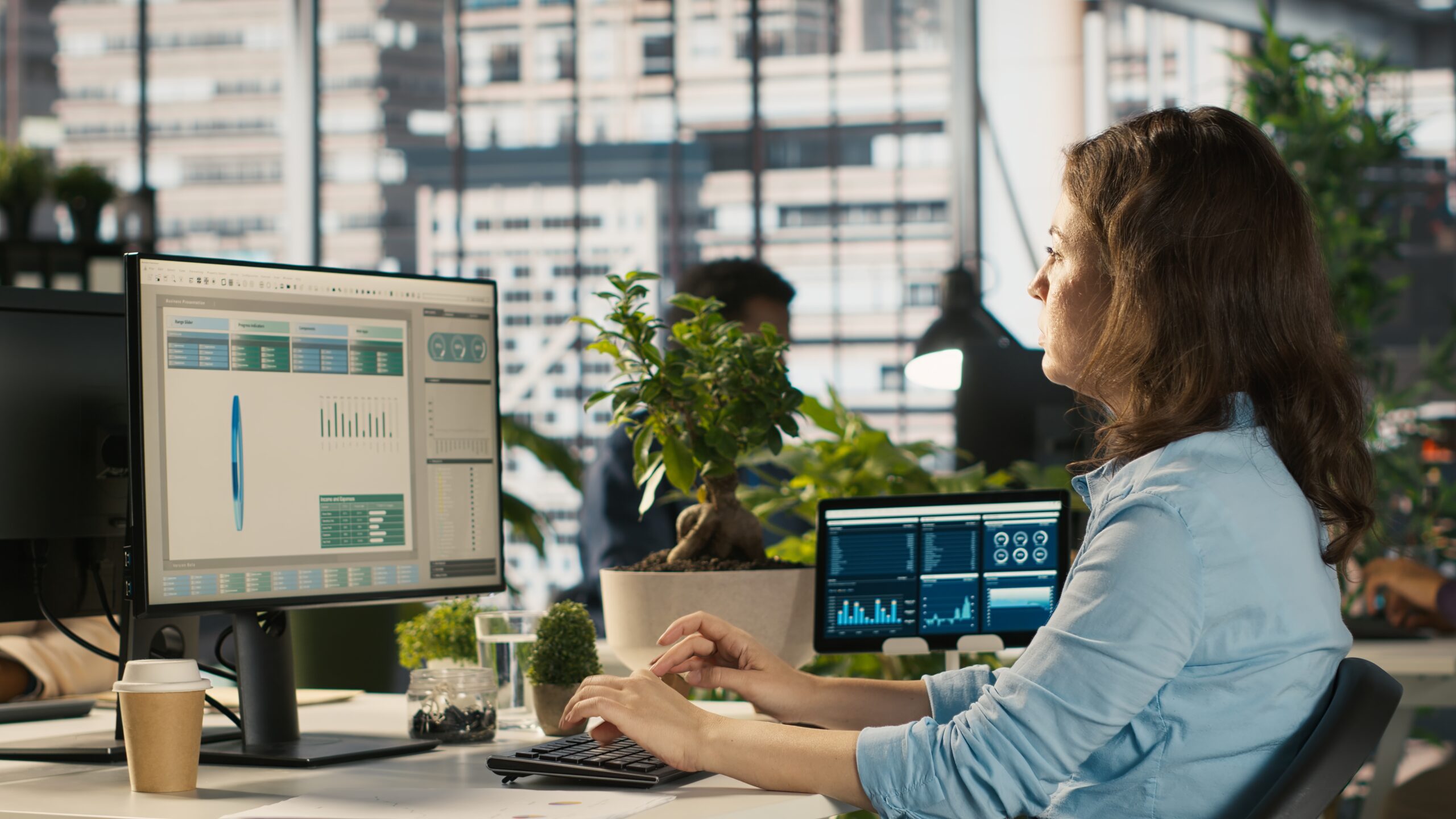
In most cases, the traditional accounting software demands manual installation, patching, and upgrading. Such changes can cause disruptions in operations and make IT more dependent. Cloud accounting, though, automatically updates features, compliance tools, and security enhancements without having to do any extra legwork.
This flexibility is especially important in Malaysia, where businesses must adapt to changing compliance requirements such as e-invoicing regulations.
A cloud-based system assists companies in remaining current without buying costly upgrades. Moreover, automated updates guarantee that businesses can still operate with the most up-to-date accounting instruments without any downtime.
4. Financial Processes Are More Flexible With Automation
Manual accounting processes often slow down operations and increase the possibility of human error. Fortunately, there are certain repetitive tasks that cloud accounting software can take care of that are still done manually by traditional systems.
Recurring invoices, bank reconciliation, expense tracking, and reports help streamline daily accounting. For instance, numerous cloud-based systems can connect seamlessly with banks, enabling automatic synchronization of transactions and statements.
This saves time in manual data entry and increases the accuracy of reporting. Furthermore, finance teams can process higher volumes of transactions more efficiently when they use automation.