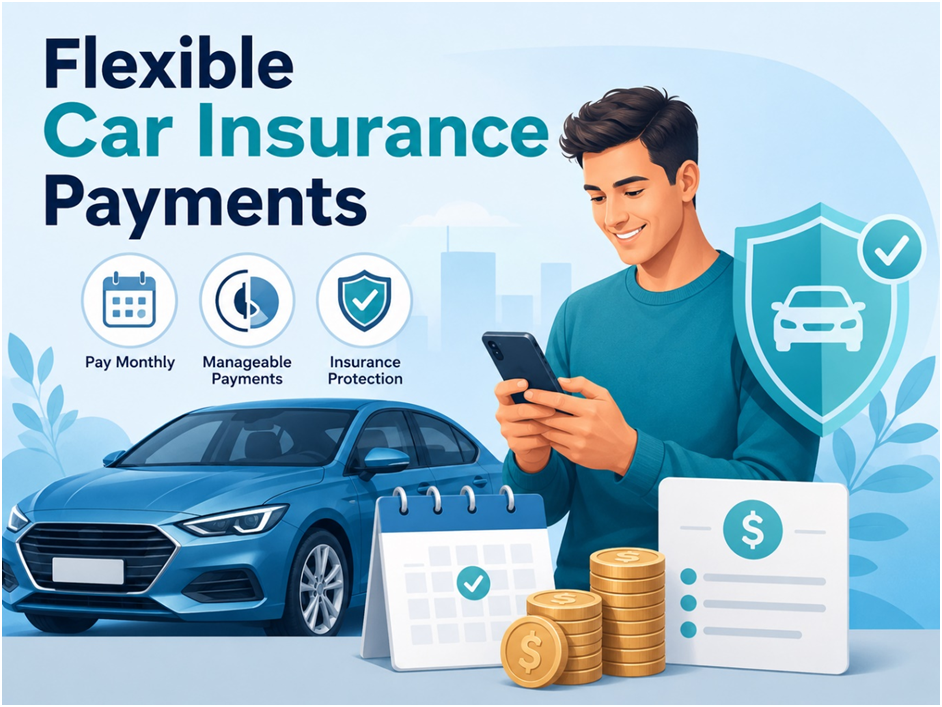
Car insurance is one of those expenses most drivers know they need, but the timing of the payment can still create stress. Between rent, groceries, repairs, school costs, and other monthly bills, paying a large amount upfront for auto insurance is not always realistic for every household. That is one reason more drivers are paying closer attention to flexible car insurance payment options before choosing a policy.
In the past, many drivers focused mainly on the total premium. Today, the first payment matters almost as much. A policy that looks affordable over six months may still be difficult to start if the down payment is too high. For people who need coverage quickly, that upfront cost can become the biggest obstacle.
This is where flexible payment models have become more relevant. Drivers are looking for ways to compare policies that let them start coverage without draining their budget in one day. Some shoppers now explore buy now pay later car insurance options because they want to understand whether they can get insured now and spread the cost more comfortably over time.
Why the First Payment Matters So Much
The first payment on a car insurance policy can affect whether a driver buys coverage immediately or keeps delaying the decision. While delaying insurance is risky and may not be legal if the vehicle is being driven, many people still hesitate when the initial cost feels too high.
For drivers living paycheck to paycheck, even a difference of $100 or $200 upfront can matter. Someone may be able to afford the monthly premium but not the larger initial payment required to activate the policy. This is especially common among younger drivers, people changing jobs, families with multiple vehicles, and drivers who recently had unexpected expenses.
| Driver Concern | Why It Matters |
| High upfront payment | Can make it harder to start coverage immediately |
| Monthly budget pressure | Drivers may prefer smaller payments spread over time |
| Need for fast coverage | Some drivers need proof of insurance quickly |
| Limited savings | A large deposit can interfere with other essential expenses |
Flexible Payments Do Not Mean Free Insurance
It is important to understand that flexible car insurance payments do not mean the policy is free or that the cost disappears. Insurance companies still require payment to activate and maintain coverage. The difference is usually in how the payment is structured.
Some policies may require a lower initial payment followed by monthly installments. Others may allow drivers to compare payment plans from different providers to find one that fits their current cash flow. The key is not just finding the cheapest headline price, but understanding the full payment schedule before buying.
A driver should always review the total premium, the first payment, monthly installment amounts, possible fees, cancellation rules, and renewal terms. A lower first payment can be helpful, but it should still make sense when looking at the complete cost of the policy.
Who Usually Looks for Lower Upfront Car Insurance?
Flexible payment options can be useful for many types of drivers. They are not limited to one age group or one income level. In many cases, the need comes from timing. A driver may have steady income but still prefer not to pay a large amount upfront during a tight month.
- Drivers who recently bought or leased a vehicle
- People who need to reinstate coverage after a lapse
- Young drivers managing insurance costs for the first time
- Families adding another vehicle to the household
- Drivers switching insurers after a rate increase
- People who need proof of insurance quickly
For these drivers, the payment structure can influence which policy feels realistic. A company with a slightly lower total premium may not always be the best fit if the first payment is too high. On the other hand, a plan with a manageable first payment may help the driver get covered sooner.
What Drivers Should Compare Before Choosing a Policy
Comparing car insurance should go beyond the monthly price. A policy can look attractive at first but become less appealing once fees, coverage limits, deductibles, or payment terms are reviewed. Drivers should compare both the insurance protection and the payment structure.
| What to Check | Question to Ask |
| First payment | How much is required to start the policy? |
| Monthly payment | Can I realistically afford this every month? |
| Coverage limits | Does the policy provide enough protection? |
| Deductible | How much would I pay out of pocket after a claim? |
| Fees | Are there installment, cancellation, or policy fees? |
| Renewal price | Could the rate change after the first term? |
Why Comparison Matters More Than Ever
Car insurance pricing can vary widely from one driver to another. Two people in the same city may receive different quotes because insurers look at many rating factors, including driving history, vehicle type, location, coverage choices, prior insurance, and other underwriting details.
That is why drivers should avoid assuming that one company will always be the cheapest. A provider that is affordable for one person may be expensive for another. Comparing multiple options gives drivers a better chance of finding a policy that balances price, coverage, and payment flexibility.
For drivers focused on upfront affordability, comparison is especially important. The lowest monthly premium does not always come with the lowest first payment. Looking at several quotes can help drivers identify which company offers the most manageable starting cost without sacrificing important coverage.
How to Approach Buy Now, Pay Later Style Insurance Carefully
The phrase “buy now, pay later” can sound appealing, but drivers should approach it carefully. In car insurance, it usually refers to finding a policy that allows coverage to begin with a manageable payment and then continue through scheduled installments. It does not mean the insurer waives payment completely.
Before choosing any policy, drivers should confirm when coverage begins, how much is due today, when future payments are due, and what happens if a payment is missed. Missing payments can lead to cancellation, which may create legal and financial problems if the vehicle is still being driven.
The best approach is to use flexible payments as a budgeting tool, not as a way to ignore the total cost. A good policy should be affordable now and sustainable later.
Final Thoughts
Flexible car insurance payment options are becoming more important because many drivers care about both coverage and cash flow. A large upfront payment can make it harder to start a policy, even when the driver understands the importance of staying insured.
By comparing first payments, monthly installments, coverage limits, deductibles, and fees, drivers can make a smarter decision. The goal is not only to find a cheaper policy, but to find one that fits the real monthly budget while still providing reliable protection on the road.
For many shoppers, the best option is the one that makes coverage accessible today without creating payment stress tomorrow.