The commercial vehicle aftermarket runs on a different parts philosophy than the passenger car market. A heavy-duty diesel engine in a long-haul truck or a bus may log a million kilometers before its first major rebuild. The components inside that engine work under continuous high load, often through several driver lifetimes. Replacement parts have to match the original engineering intent across thousands of operating hours.
For fleet workshops, truck OEM service networks and aftermarket distributors, the heavy duty engine parts manufacturer choice carries weight. Passenger car aftermarket buyers rarely think about this dimension. Yenmak has supplied engine components to the heavy-duty diesel aftermarket from Istanbul since 1965.
What Defines a Heavy Duty Engine Parts Manufacturer
Heavy-duty engine parts manufacturing is not a scaled-up version of passenger car parts production. The engineering targets differ in three areas.
The first is duty cycle. Heavy-duty diesel engines operate near peak power for sustained periods. Continuous operation under load produces thermal and mechanical stress profiles that passenger engines rarely experience.
The second is service interval. Operators expect 50,000 to 100,000 kilometers between service events. They expect a million kilometers or more between rebuilds. The parts have to last across that span.
The third is fleet-level economics. Downtime costs for a commercial vehicle far exceed the cost of premium replacement parts. Buyers pay for documented reliability rather than the lowest unit price.
Yenmak as a Heavy Duty Engine Parts Manufacturer
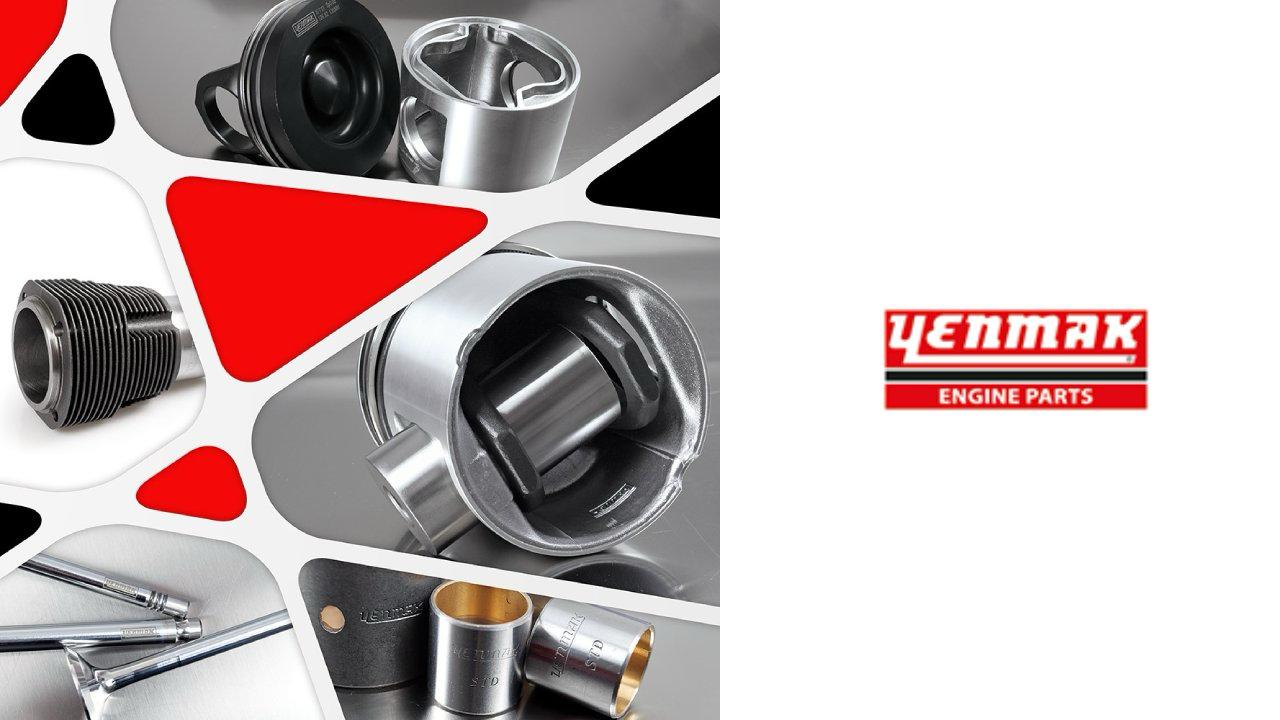
Yenmak’s product range covers eight categories engineered for heavy-duty commercial vehicle applications. The list includes cylinder liners, pistons and piston pins, piston rings, engine bearings and bushings, engine valves, filters, O-rings and kit-sets.
Distributors evaluating a heavy duty engine parts manufacturer with broad catalog coverage and commercial vehicle history can review the full Yenmak range here. The Istanbul operation has shipped to truck fleets and commercial vehicle aftermarket distributors since 1965.
Heavy-duty product coverage includes:
- Cylinder liners for diesel truck and bus platforms
- Pistons and rings sized for high-load commercial engines
- Engine bearings rated for sustained fleet use
- Valves and kit-sets for full engine overhauls
- Air and oil filters for diesel applications
How Do Heavy Duty Engine Components Differ from Passenger Parts
Heavy-duty engine components differ from passenger parts across most key specifications. The table below highlights the gap on five representative parameters.
| Specification | Passenger Vehicle | Heavy Duty Diesel |
|---|---|---|
| Engine displacement | 1.0 to 3.0 liters | 7 to 16 plus liters |
| Service interval | 10,000 to 15,000 km | 50,000 to 100,000 km |
| Rebuild interval | 200,000 to 300,000 km | 1,000,000 plus km |
| Peak combustion pressure | Up to about 100 bar | Up to about 200 bar |
| Operating duty cycle | Variable, low duty | Continuous, high duty |
The size difference alone changes the production approach. Heavy-duty cylinder liners can exceed 150 mm in bore diameter, with wall thicknesses and mass that passenger car liners never reach. Pistons scale similarly, with crown thicknesses sized for the higher combustion pressures.
The duty cycle difference shapes alloy selection. Heavy-duty diesel valves often need austenitic stainless or nickel-based alloys. Engine bearings often run tri-metal constructions in heavy-duty service, while modern passenger engines mostly use bi-metal.
Which Commercial Vehicle Platforms Drive Aftermarket Demand
Heavy-duty aftermarket demand sits across several platform categories.
Long-haul trucks form the largest aftermarket segment. The fleet rebuild cycle drives consistent demand for cylinder liners, pistons, rings and bearings across major truck OEM platforms.
City buses and intercity coaches sit in a similar duty cycle, with high engine hours per year and predictable maintenance schedules.
Industrial and off-highway equipment includes construction machinery, agricultural equipment and generator sets. These run diesel engines under heavy continuous load. The parts requirements are similar to commercial trucks.
Why Does Trade Fair Presence Signal Heavy Duty Capability
Trade fair attendance is a low-cost signal that requires real commitment. A manufacturer that travels to commercial vehicle fairs in multiple geographies has decided to be present where the heavy-duty aftermarket actually does business.
The 2026 Yenmak trade fair calendar covers four heavy-duty industry events:
- Truck World Mississauga, Canada
- Mid-America Trucking Show, Louisville
- Automechanika Istanbul, Turkey
- West Africa Nigeria
Distributors entering markets where Yenmak attends the local fair start with brand awareness already built among workshops and fleet operators.
What Documentation Should Heavy Duty Buyers Expect
Heavy-duty parts buyers run more rigorous supplier audits than the passenger car aftermarket typically requires. The documentation set behind the parts has to match. Yenmak provides four documentation channels for partners:
- The B2B portal for order management and pricing
- The online catalog covering the full product range with part numbers
- The certificate library holding the ISO 9001 and Turkish Standards Institution (TSE) documents
- The technical documentation section with drawings and specification sheets
Quality Standards for the Yenmak Heavy Duty Range
The Yenmak heavy-duty engine parts range operates under the ISO 9001 quality management system, in place since 1996. Turkish Standards Institution (TSE) compliance applies as a national reference across the catalog. Both certificates are accessible to importing distributors through the Yenmak website.
Frequently Asked Questions
What products does Yenmak supply as a heavy duty engine parts manufacturer?
Yenmak supplies cylinder liners, pistons, piston pins, piston rings, engine bearings, bushings, engine valves, filters, O-rings and kit-sets engineered for heavy-duty diesel applications. The catalog covers truck, bus, industrial and off-highway equipment platforms. Production ships from the dedicated Istanbul facilities that Yenmak has operated since 1965.
How do heavy duty engine parts differ from passenger car parts?
Heavy-duty parts handle larger displacement engines, typically 7 to 16 liters versus 1 to 3 liters. They also handle longer service intervals and rebuild cycles measured at a million kilometers or more. Combustion pressures reach 200 bar against around 100 bar in passenger applications. Alloy selections, wall thicknesses and bearing constructions all differ accordingly.
Which industries source heavy duty engine parts from Yenmak?
Yenmak supplies long-haul truck operators, bus and coach fleets, industrial machinery operators, agricultural equipment service networks and generator set maintenance providers. Aftermarket distributors and OEM service networks across 94 countries source parts from the Istanbul base. The primary export markets are Germany, France and the United States.
What trade fairs does Yenmak attend in the commercial vehicle sector?
The 2026 Yenmak trade fair calendar covers Truck World Mississauga in Canada, Mid-America Trucking Show in Louisville, Automechanika Istanbul in Turkey and West Africa Nigeria. The events let distributors meet Yenmak representatives directly. The calendar reflects the company’s focus on commercial vehicle aftermarket buyers across multiple regions.