All burger packaging used in the UK must comply with food contact material regulations, ensuring that no harmful substances are transferred to food. Packaging must also be fit for purpose and clearly labelled where necessary, with supporting compliance documentation.
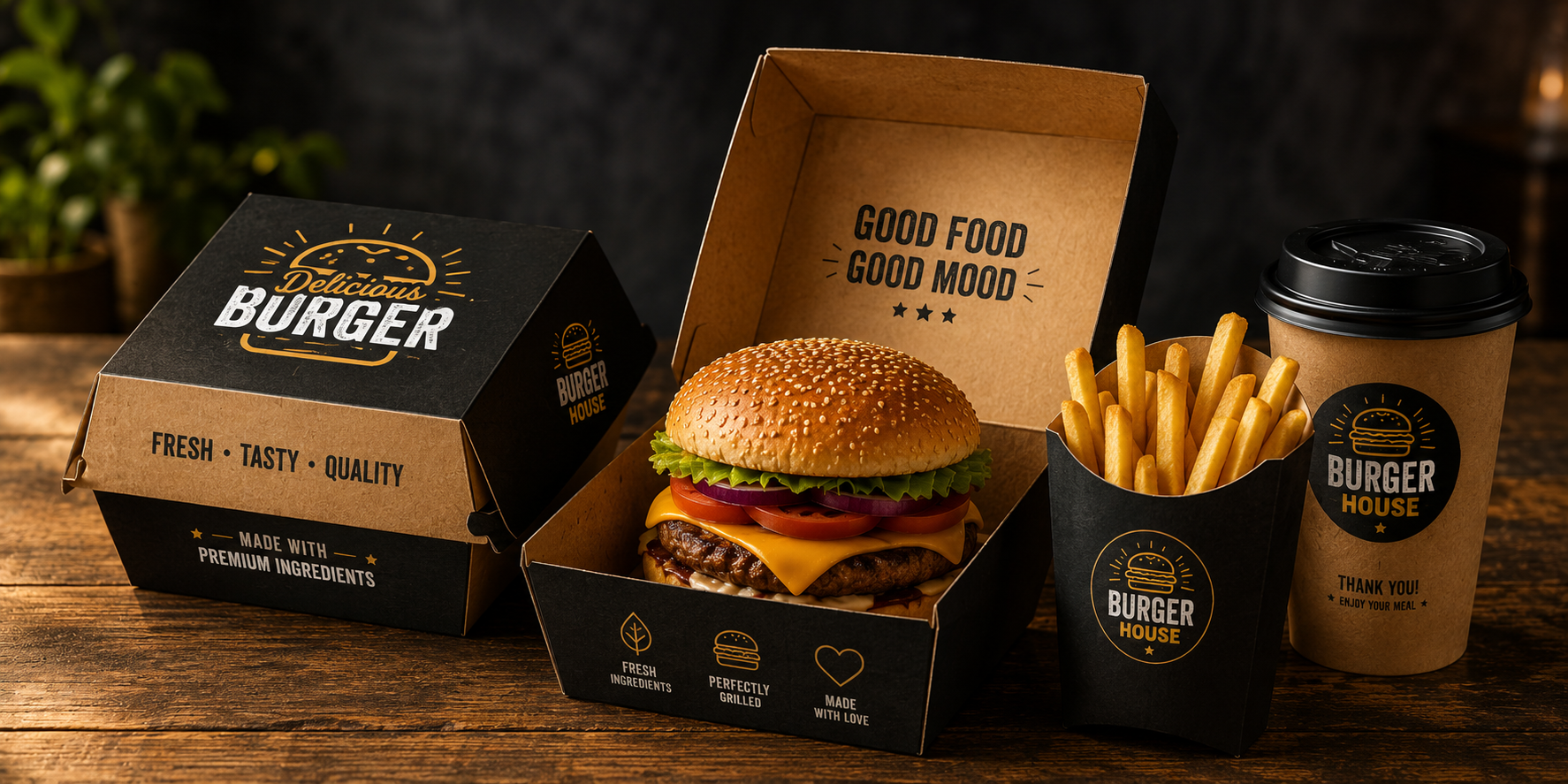
Ordering custom paper and cardboard burger packaging is beneficial for burger providers because it ensures compliance with UK food contact material regulations and guarantees safety and consistency. Сustom food packaging can be designed using approved food-grade materials to prevent the transfer of harmful substances, and proper documentation is provided to support this. It also ensures that the packaging is fit for purpose and maintains structural integrity, heat retention and leak resistance. Additionally, branding elements can be integrated without compromising safety standards.
From a practical perspective, burger packaging must meet the following requirements:
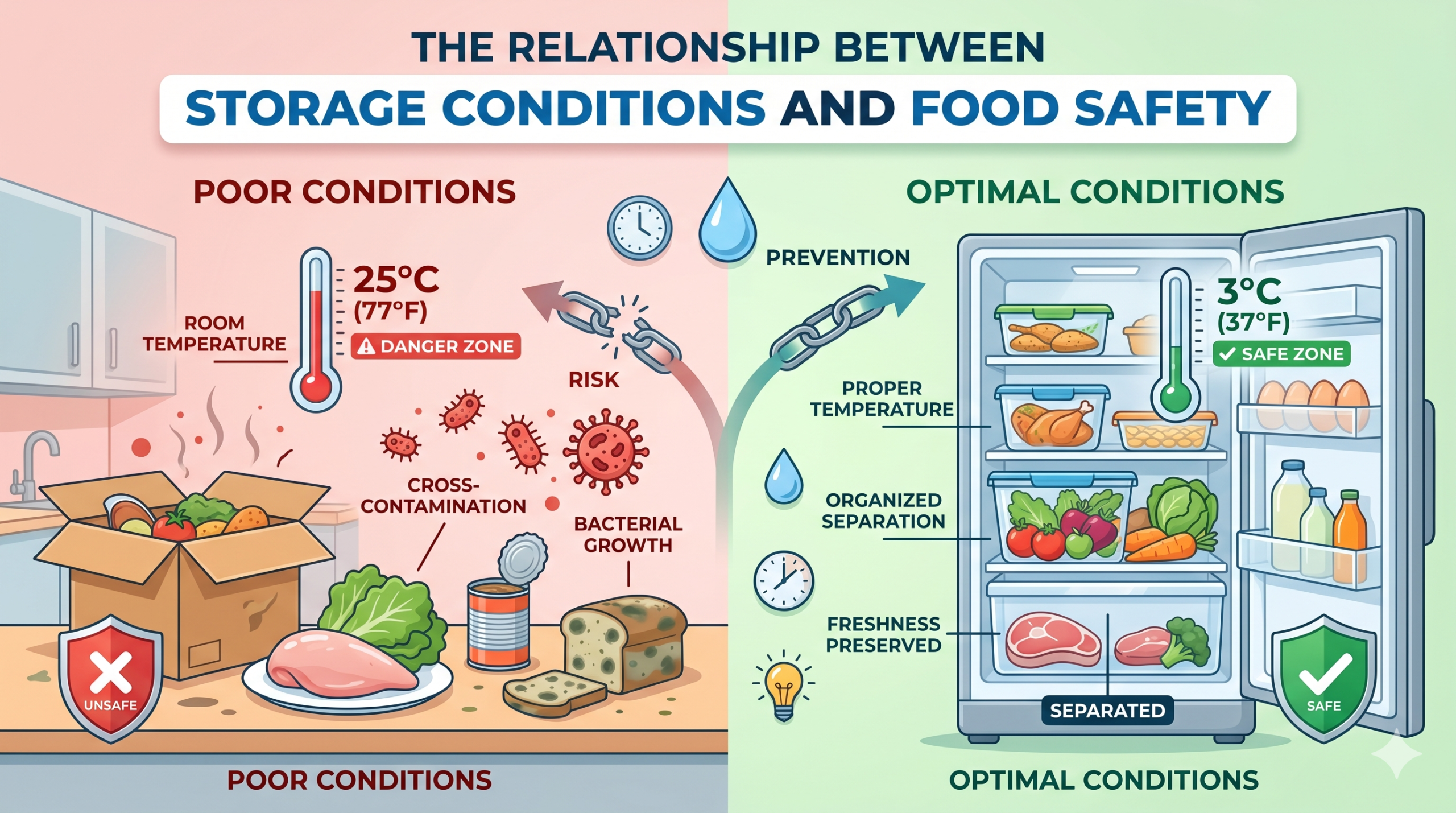
- Maintaining temperature and freshness is essential because burgers are highly sensitive to heat loss, moisture changes and texture degradation. A properly designed container helps to preserve warmth while preventing excessive steam build-up that can make the bun soggy. Packaging often incorporates ventilation features to release excess moisture while retaining enough heat to keep the product enjoyable during delivery or takeaway. Insulating materials or layered cardboard structures may also be used to slow cooling. Maintaining the separation of ingredients is also important for freshness, ensuring that sauces, vegetables, and buns remain in acceptable condition until consumption.
- It is equally important to prevent leakage and structural damage because burgers often contain sauces, melted cheese and other juicy ingredients that can easily escape during transport. Therefore, packaging must be designed to contain moisture without collapsing or deforming. A stable base prevents the burger from moving around, while secure folding mechanisms or locking tabs reduce the risk of it opening accidentally. Structural integrity is essential when the packaging is handled by delivery drivers or stacked with other items. Without sufficient strength, the burger may become compressed, resulting in a loss of shape, spillage of ingredients, and an unappealing presentation that reduces customer satisfaction.
- Efficient stacking and transport are logistical requirements that affect both restaurants and delivery systems. The packaging should have a standardised shape that allows multiple boxes to be stacked safely without sliding or crushing the layers below. Flat, rigid surfaces improve stability during transport in bags, delivery boxes or vehicles. Efficient stacking reduces the amount of delivery space used and helps to maintain order during bulk deliveries. It also minimises movement inside transport containers, lowering the risk of deformation or ingredient displacement. Properly designed packaging contributes to faster handling, easier sorting and more reliable delivery performance in environments where demand is high.
- Supporting sustainability goals has become an increasingly important consideration in the design of food packaging, including for burgers. Many businesses are aiming to reduce their environmental impact by using recyclable cardboard, compostable materials or biodegradable coatings instead of plastic-based packaging. However, sustainable packaging must also protect food quality and maintain structural strength. Reducing excess material usage while preserving functionality is a key design challenge. Some packaging solutions also focus on minimising ink usage and avoiding mixed materials that are difficult to recycle, while encouraging consumers to dispose of packaging responsibly. Therefore, sustainable burger packaging must balance environmental responsibility with the practical requirement to protect food.