The Benefits of Cotton Blends
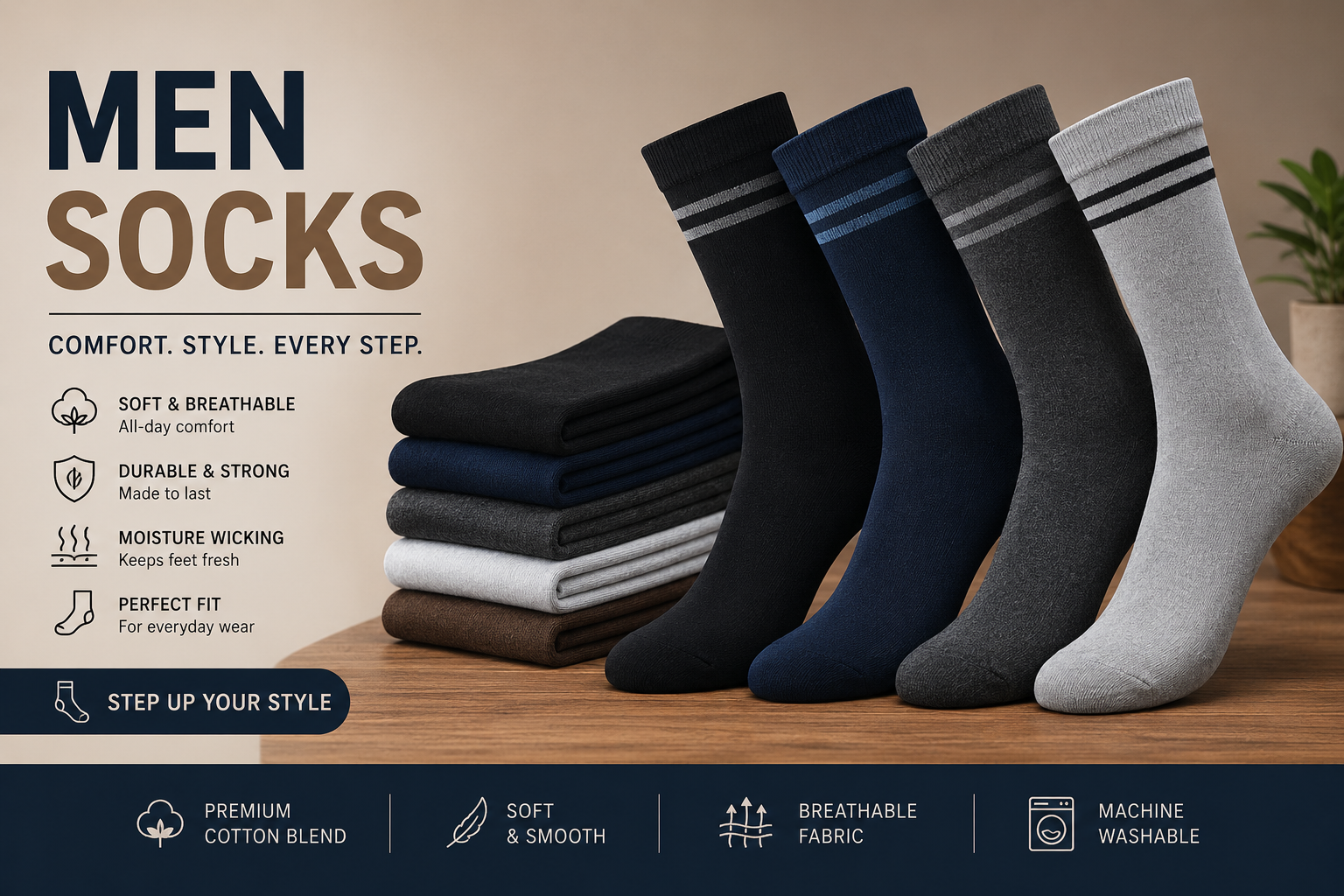
Cotton blends are a go-to for everyday socks. They offer a soft feel against the skin, making them comfortable for long hours. The blend usually includes other fibers to improve durability and reduce shrinkage, which is a common issue with 100% cotton. These socks are generally breathable, helping to keep feet from getting too sweaty during normal daily activities.
Cotton blends strike a good balance between comfort and practicality. They are affordable and widely available, making them an easy choice for stocking up. For most people, cotton blends are a solid pick for daily wear, providing a pleasant feel without breaking the bank. They’re a reliable option for work, casual outings, and just lounging around the house.
When choosing cotton blends, look for a mix that includes a good percentage of cotton for softness, but also some synthetic fibers like polyester or spandex. This combination helps the sock keep its shape and adds a bit of stretch for a better fit. It’s a smart way to get the best of both worlds in your everyday socks.
Exploring the Comfort of Wool
Wool socks might sound like they’re just for cold weather, but they’re surprisingly versatile. Merino wool, in particular, is a fantastic material for socks. It’s soft, not itchy like older wools, and it’s great at managing moisture. This means your feet stay drier, which helps prevent blisters and keeps you comfortable whether it’s warm or cool outside.
Wool has natural odor-resistant properties, a big plus for socks worn all day. It can absorb a lot of moisture without feeling wet. This temperature-regulating ability makes wool socks a great choice for year-round wear, not just in winter. They adapt to your body’s needs.
While wool socks can be a bit pricier, their durability and comfort often make them worth the investment. They hold up well over time and provide a level of comfort that many other materials can’t match. For anyone prioritizing comfort and performance in their socks, wool is definitely worth considering.
Synthetic Blends for Durability
Synthetic materials like polyester and nylon are workhorses in the sock world. They are known for being tough and long-lasting. These fabrics are often used in socks designed for active use because they can handle a lot of wear and tear. They also dry quickly, which is a big advantage if your feet tend to sweat a lot or if you get caught in the rain.
Polyester and nylon blends are lightweight and resist shrinking and stretching out of shape. They are also good at wicking moisture away from the skin. However, a common downside is that they can sometimes hold onto odors more than natural fibers. This is something to keep in mind if you’re sensitive to smells after a long day.
Many modern socks combine synthetics with other materials, like wool or cotton, to get the best features of each. This blend approach creates socks that are both durable and comfortable. For socks that need to be tough and reliable, synthetic blends are a solid choice, especially when mixed thoughtfully with other fibers.
Achieving the Perfect Fit In Men Socks
Avoiding Too Tight or Too Loose
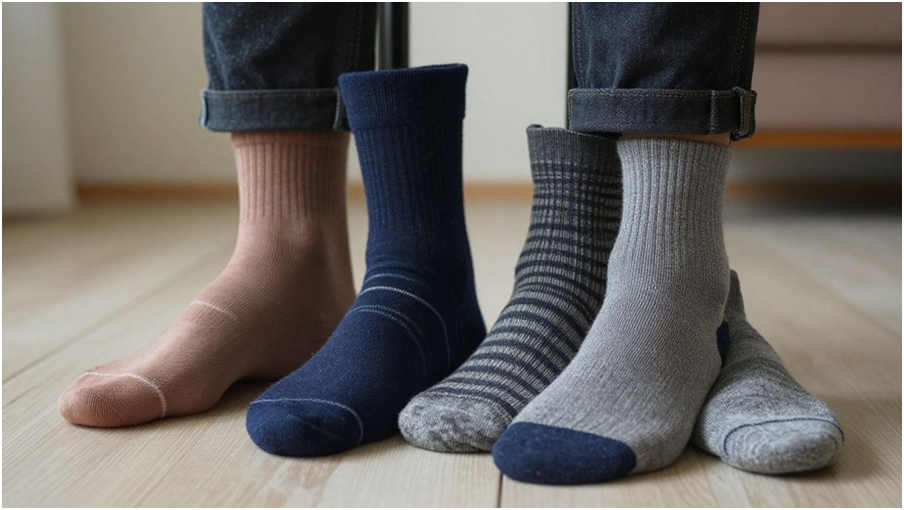
Getting the fit right is a big deal for sock comfort. If socks are too tight, they can pinch your ankles or feet, leaving red marks that are just annoying. On the flip side, socks that are too loose will bunch up inside your shoes. This bunching is not only uncomfortable, making every step feel weird, but it can also lead to blisters over time. The goal is a snug feel, not a constricting one. A good pair of men’s socks should hug your foot without feeling like a vise grip.
The Importance of Sock Length
Sock length plays a surprisingly big role in how your outfit looks and feels. For casual wear, shorter socks like ankle or crew length are usually fine. They stay out of sight with sneakers or casual shoes. However, for more formal occasions or when wearing dress shoes, mid-calf or over-the-calf socks are a better choice. This longer length prevents any awkward gaps of skin showing between your trousers and socks when you sit down or cross your legs. It keeps the whole look clean and put-together.
How Fit Affects All-Day Comfort
Ultimately, the perfect fit is what makes socks disappear into your day. When socks fit well, you don’t think about them. They stay put, no bunching or slipping, and they don’t dig into your skin. This means you can focus on what you’re doing, not on adjusting your socks. A sock that feels good from the moment you put it on until you take it off at night is a sign of a great fit. It’s a small detail, but it makes a huge difference in how comfortable you feel throughout the day. Good men’s socks are all about that unnoticed comfort.
Choosing Socks For Different Occasions
Socks for Formal Attire
When dressing up for formal events, the right socks matter. Think about mid-calf length socks. These are usually the best choice. They keep a smooth look and prevent any awkward gaps when sitting or walking. Neutral colors like black, grey, or navy are standard. They blend well with suits and dress shoes. The goal is a polished appearance where the socks don’t draw attention.
Selecting Casual Everyday Socks
For daily wear, comfort and practicality are key. Casual socks can be made from cotton blends or wool for softness and breathability. Look for socks that offer good cushioning for all-day wear. Whether it’s a crew cut or an ankle sock, the fit should be snug but not tight. These socks are designed to handle regular use without issues. Choosing the right socks for everyday comfort makes a big difference. Kaite Socks’ custom sock production, which includes men socks along with athletic, fashion, compression, and outdoor styles, can help shoppers match everyday pairs with the right fabric, fit, and comfort needs.
When to Opt for Patterned Socks
Patterned socks can add personality to an outfit, but it’s about knowing when and how to wear them. For professional settings, subtle patterns like argyle or fine textures work well. They add interest without being too loud. For casual outings, you have more freedom. Bold patterns or bright colors can be a fun way to express personal style. Always consider the overall look you’re going for when selecting patterned socks.
Style Considerations For Men Socks
Matching Socks to Trousers
When it comes to pairing socks with trousers, the simplest approach often yields the best results. Matching your socks to your trousers creates a continuous line from your waist to your feet, making your legs appear longer and your overall look more put-together. This is particularly effective with darker trousers, where a seamless transition is easily achieved. It’s a classic style tip that avoids any visual breaks, keeping the focus on your outfit rather than drawing attention to your ankles. This method is a safe bet for most everyday situations.
For a more polished appearance, consider the shade. While a direct match is ideal, a close approximation works well too. For instance, navy socks with dark blue trousers, or charcoal socks with grey pants, maintain that unbroken silhouette. This technique is especially useful when you’re sitting down, as it prevents any awkward gaps of skin from showing between your trousers and socks. It’s a subtle detail, but it makes a noticeable difference in how sharp an outfit looks.
Think of it as extending the fabric of your trousers. This creates a streamlined effect that’s both sophisticated and easy to achieve. It’s not about being overly matchy-matchy; it’s about creating a cohesive visual flow. This approach works for both casual and more formal settings, making it a versatile styling trick for any man’s wardrobe. The goal is a clean, uninterrupted look.
Coordinating Socks with Shoes
While matching socks to trousers is a common guideline, coordinating them with your shoes offers another stylish avenue. This approach works particularly well with casual outfits or when you want your footwear to be a focal point. For example, pairing brown socks with brown leather shoes can create a grounded, intentional look. It’s a way to tie your entire lower half together, from the ground up.
This method is less about a perfect color match and more about complementing the shoe’s tone. Darker shoes, like black or deep brown, can handle a wider range of sock colors, but sticking to darker, more muted tones usually looks best. It prevents the socks from clashing with the shoes or looking out of place. The idea is that the sock and shoe work in harmony, not against each other.
Consider the material and style of your shoes too. A sturdy boot might pair well with a thicker, textured sock, while a dress shoe calls for a finer knit. This coordination adds a layer of thoughtfulness to your overall style. It shows attention to detail, even in the smaller elements of your attire. It’s about creating a balanced and appealing visual.
Subtle Patterns for Professional Settings
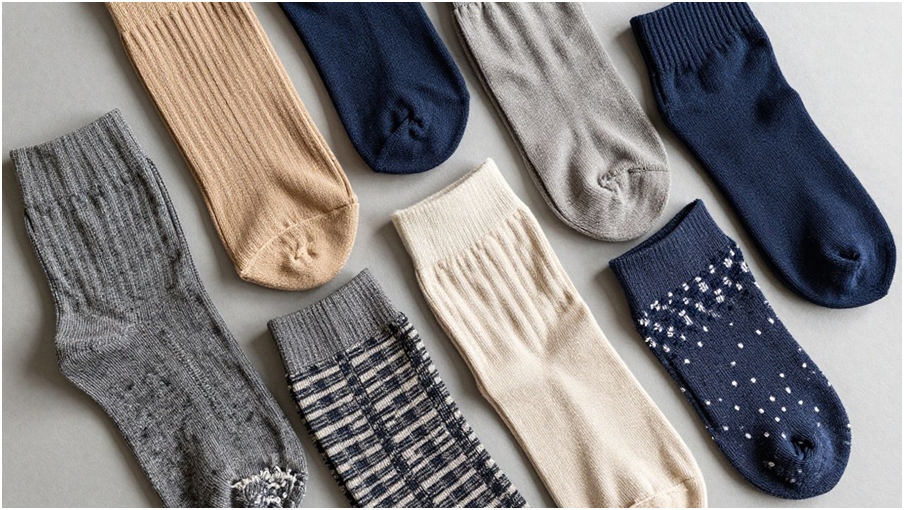
Incorporating subtle patterns into your socks can add a touch of personality without compromising professionalism. Think beyond plain black or navy. A classic argyle pattern, a fine rib texture, or a small geometric design can add visual interest without being distracting. These patterns are noticeable upon closer inspection, offering a sophisticated flair.
When choosing patterned socks for work, keep the scale of the pattern in mind. Overly large or bold designs can detract from a professional look. Opt for smaller, more intricate patterns that blend well with your trousers and shoes. The key is that the pattern should complement, not dominate, your outfit. It’s about adding a subtle detail that shows you have an eye for style.
These patterned socks can be a great way to express personal style in environments where bolder fashion choices aren’t appropriate. They can also help break up the monotony of a conservative suit or uniform. Remember, the goal is to add a refined touch, not to make a loud statement. Subtle patterns are your friend here.
Prioritizing Comfort In Your Sock Selection
Breathability for Long Wear
When it comes to socks for everyday wear, breathability is key. Nobody wants sweaty feet halfway through the day. Look for fabrics that let air circulate. Cotton blends are a good start, but for serious breathability, consider socks with specific ventilation panels. These socks help keep your feet dry and cool, no matter what your day throws at you. Good breathability means less chance of odor and more comfort overall.
Socks That Stay In Place
There’s nothing more annoying than socks that constantly slide down into your shoes. This usually happens when the elastic wears out or the fit just isn’t right. A sock that stays put all day is a comfortable sock. Look for socks with a snug, but not tight, cuff. Quality materials and construction make a big difference here. You want a sock that feels like a second skin, not something you have to constantly adjust.
Temperature Regulation Through Fabric
Your feet can get too hot or too cold, and the right fabric helps manage this. Wool is surprisingly good at temperature regulation; it keeps you warm when it’s cold and cool when it’s warm. Synthetic blends can also offer good temperature control, often wicking away moisture to keep feet dry. Choosing the right fabric means your feet will feel just right, whether you’re indoors or out. This focus on temperature regulation is a big part of achieving all-day comfort.
Wrapping Up Your Sock Search
So, we’ve talked about how socks might seem like a small thing, but they really do make a difference in how comfortable you feel all day. It’s not just about grabbing any old pair; picking the right ones, made from good materials and fitting well, can actually change your whole day. Think about what you do most – are you on your feet a lot? Do you need something for work or just relaxing? Paying a little attention to these details means you’ll end up with socks that feel good from the moment you put them on until you take them off at night. It’s about making smart choices for everyday comfort, and honestly, it’s a pretty simple way to make life a bit better.