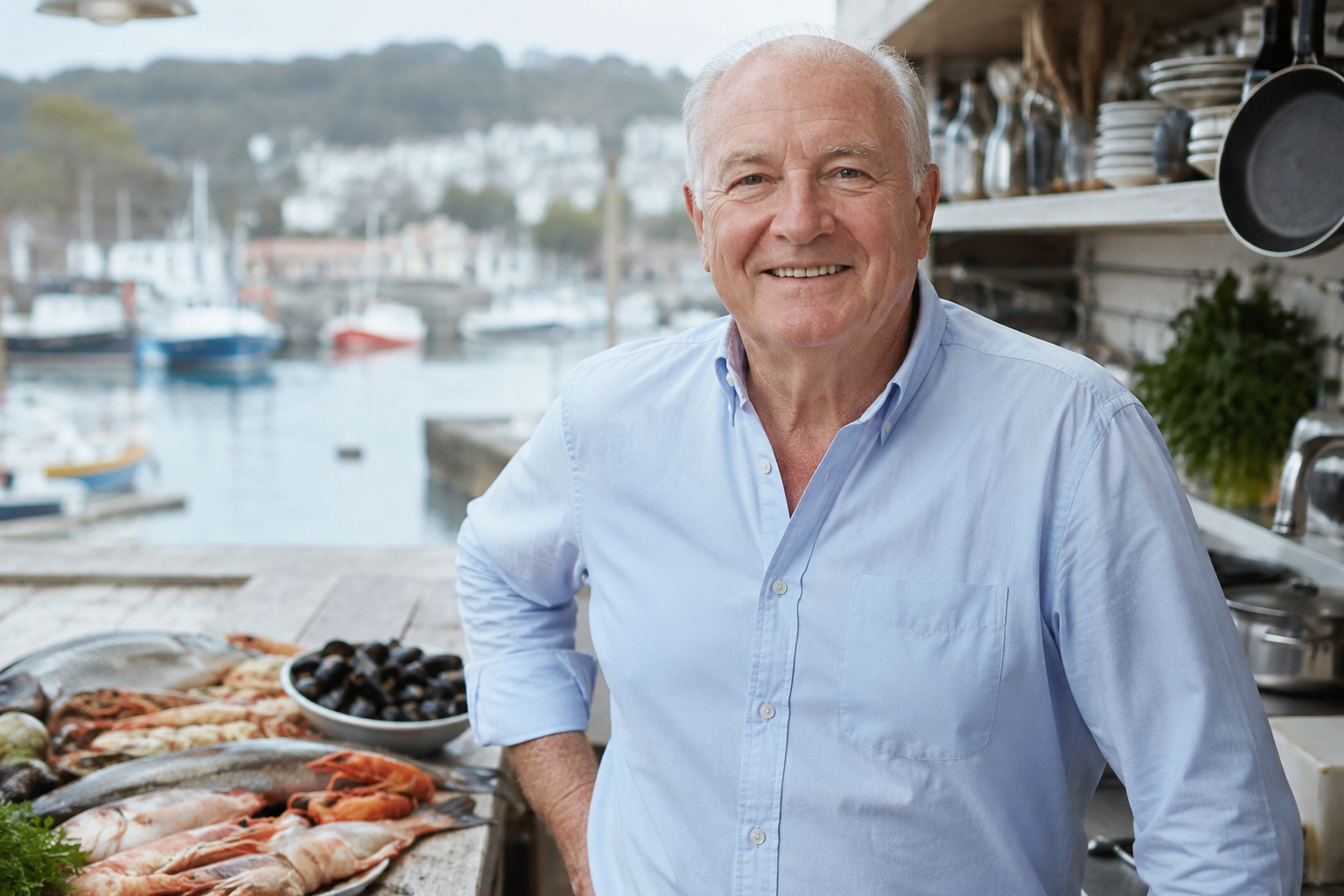
Modern British food culture has changed significantly over the past few decades, especially in the way seafood and coastal cuisine are viewed. Among the personalities connected with this transformation, Rick Stein remains one of the most recognizable figures associated with British coastal dining, culinary travel, and seafood-focused hospitality.
Beyond his influence on food television and restaurants, Rick Stein also built a highly successful business career connected to the hospitality industry. Various media reports and celebrity finance estimates have placed Rick Stein’s net worth in the multi-million-pound range. This is largely supported by restaurants, television appearances, cookbooks, and tourism-related ventures connected with Cornwall’s coastal economy.
His commercial success reflects how food personalities in Britain evolved from restaurant owners into influential media and travel brands.
Growing Interest in Coastal Cuisine
For many years, British dining discussions focused heavily on urban restaurants and traditional pub meals. Coastal dishes often remained associated mainly with fishing communities and seaside regions. While seafood was always available in Britain, it did not always receive mainstream national attention.
As food media and travel programming expanded, public interest gradually shifted toward regional cooking traditions and locally sourced ingredients. Coastal areas became increasingly attractive because they offered fresh seafood, maritime culture, and destination-style dining experiences.
This change created opportunities for chefs and presenters who could combine food with storytelling and travel. Rick Stein became one of the most influential names connected with that movement.
Rick Stein’s Connection to Coastal Britain
A large part of Rick Stein’s public identity became closely linked with Cornwall, particularly the seaside town of Padstow. Instead of focusing only on luxury restaurant culture, he emphasized coastal living, seafood traditions, and regional authenticity.
His restaurants introduced many visitors to locally sourced seafood prepared with relatively simple cooking techniques. This focus on freshness helped audiences appreciate the value of regional fish and shellfish within British cuisine.
The connection between food and place also became central to his popularity. Coastal towns started attracting visitors interested not only in beaches and scenery but also in culinary tourism experiences centered around seafood dining.
Television and Culinary Travel
Television played an important role in expanding public interest in coastal cuisine. Rick Stein’s travel and cooking programs presented seafood as part of a broader cultural experience connected with fishing communities, local markets, and regional traditions.
His shows frequently highlighted:
- fishing practices
- coastal lifestyles
- local seafood markets
- traditional recipes
- regional food heritage
This approach helped viewers develop stronger interest in where food originated and how local communities shaped culinary traditions.
As culinary tourism grew in popularity, many travelers began visiting coastal areas specifically for seafood experiences and destination dining. Padstow itself became strongly associated with food tourism partly because of this television exposure.
Simplicity and Accessibility in Seafood Cooking
Another reason Rick Stein connected with audiences was his straightforward cooking style. Many of his seafood recipes appeared approachable rather than overly technical or restaurant-exclusive.
His cooking philosophy often focused on:
- fresh ingredients
- balanced flavors
- regional authenticity
- uncomplicated preparation methods
This style encouraged more people to experiment with seafood cooking at home. It also helped reduce the perception that seafood belonged only in expensive restaurants.
Growing interest in healthy eating and fresh produce further increased seafood’s popularity within British households.
Influence on British Restaurant Culture
The wider British dining industry also changed during this period. Coastal cuisine became more visible across gastropubs, seafood restaurants, independent cafés, and tourism-focused dining businesses.
Restaurants increasingly promoted:
- locally sourced seafood
- seasonal ingredients
- regional specialties
- sustainable fishing awareness
Modern diners started valuing authenticity and local identity more strongly than before. Coastal dining experiences offered both cultural appeal and travel value, making seafood tourism an important part of Britain’s hospitality industry.
Coastal Towns and Tourism Growth
Many coastal towns experienced renewed tourism interest through the popularity of seafood culture. Culinary festivals, fish markets, and destination restaurants became important attractions within local economies.
Visitors increasingly traveled to coastal areas for:
- seafood experiences
- regional cuisine
- culinary tourism
- local hospitality
- maritime culture
This relationship between food and tourism strengthened the identity of many British seaside communities.
Media Power on Modern Food Trends
Food television significantly changed the relationship between audiences and cuisine. Chefs became cultural figures who introduced viewers to regional traditions, travel experiences, and local lifestyles.
Television style of Rick Stein’s focused more on storytelling and cultural exploration than competitive cooking formats. This relaxed presentation made coastal cuisine feel accessible to mainstream audiences.
The combination of scenic coastal locations, seafood preparation, and travel storytelling helped create long-term public interest in British coastal dining culture.
Cuisine Beyond Fine Dining
One of the biggest developments within modern seafood culture is that it expanded far beyond luxury restaurants. Coastal cuisine became connected with independent cafés, casual seafood venues, local pubs, and family-run businesses.
This wider accessibility helped seafood culture grow among different audiences and income groups. Visitors could experience coastal dining in both premium restaurants and smaller community-based establishments.
Lasting Cultural Impact
Today, coastal food culture represents an established part of Britain’s culinary identity. Seafood tourism, local sourcing, and regional dining experiences continue influencing hospitality trends across the country.
Rick Stein played a major role in bringing national attention to coastal cuisine through television, restaurants, and travel-based storytelling. His work helped audiences appreciate the relationship between seafood, regional identity, and British coastal traditions.