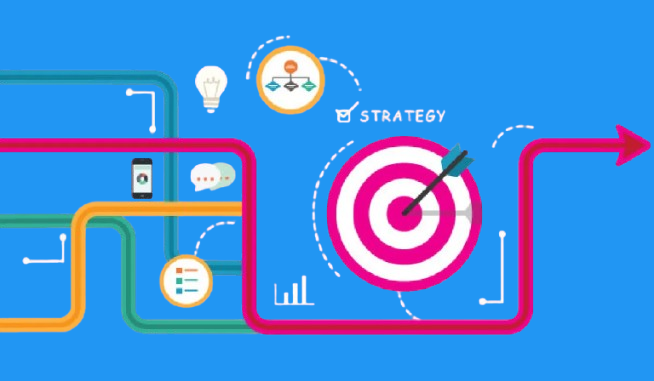
High performers plateau for a reason that organizations rarely name directly: the working environment stops giving them the information they need to grow. In the early stages of a high performer’s tenure, everything is new and the learning is automatic. The work itself teaches. The feedback arrives naturally because the errors are visible and the corrections are immediate. As mastery increases, the learning slows because the errors become rarer, the feedback becomes more sporadic, and the gap between where the team member is and where they could be becomes harder to see from inside their current role. The plateau is not a failure of motivation or talent. It is a failure of the environment to provide the data that motivated, talented people need to continue improving. The leaders who break high-performer plateaus do not do it by asking their best people to try harder. They do it by building an environment where the gap between current performance and potential performance is visible, specific, and actionable. That environment is built on project management tools that surface the right performance data at the right moment rather than waiting for the annual review cycle to assemble it from fading memories.
Strategic stretch that prevents the comfort zone trap with Lark OKR
The high performer who has mastered their current role will plateau unless the role itself keeps evolving. Most organizations address this by adding responsibilities incrementally, but without a visible structure connecting those responsibilities to organizational outcomes, the additional work feels like more of the same rather than a genuine stretch toward something larger.
Lark OKR gives high performers a live view of the full strategic landscape from which they can identify where their developing capabilities could create the most impact. When a high performer can see not just their own key results but the key results of adjacent teams and senior colleagues, they can identify the gaps where their growing skills would create strategic value rather than waiting for leadership to notice the opportunity and redirect them. Individual key results set by the high performer for their own development, connected to team objectives, create a self-managed stretch structure that gives the team member agency over their own growth trajectory rather than making development something that happens to them rather than by them.
Feedback that is specific rather than retrospective with Lark Docs
The feedback that high performers find most useful is the feedback that is specific to the work they are doing right now rather than the feedback that arrives at review time and describes work they completed months ago. By the time the retrospective feedback arrives, the specific context that would have made it actionable has dissolved, and the feedback becomes a general observation rather than a precise developmental signal.
Lark Docs changes when and where feedback arrives. “Comment” threads attach feedback to the exact sentence, section, or decision they address within the document where the work appears. The high performer who submits a strategy document receives specific feedback on the specific reasoning, the specific structure, and the specific evidence they used, at the moment the work is reviewed rather than in a generic development conversation that happens weeks later. “Version History” gives the high performer a visible record of how their thinking has evolved across documents over time, enabling a form of self-directed feedback that most development programs overlook: the ability to compare the quality of one’s own reasoning at different points in time.
Performance data that the high performer can see themselves with Lark Base
High performers who cannot see their own performance data relative to their peers and relative to the organization’s needs are dependent on their manager to provide that perspective. That dependency creates an uneven development environment where the quality of a high performer’s development is determined by the quality of their manager’s observation rather than by the high performer’s own drive to improve.
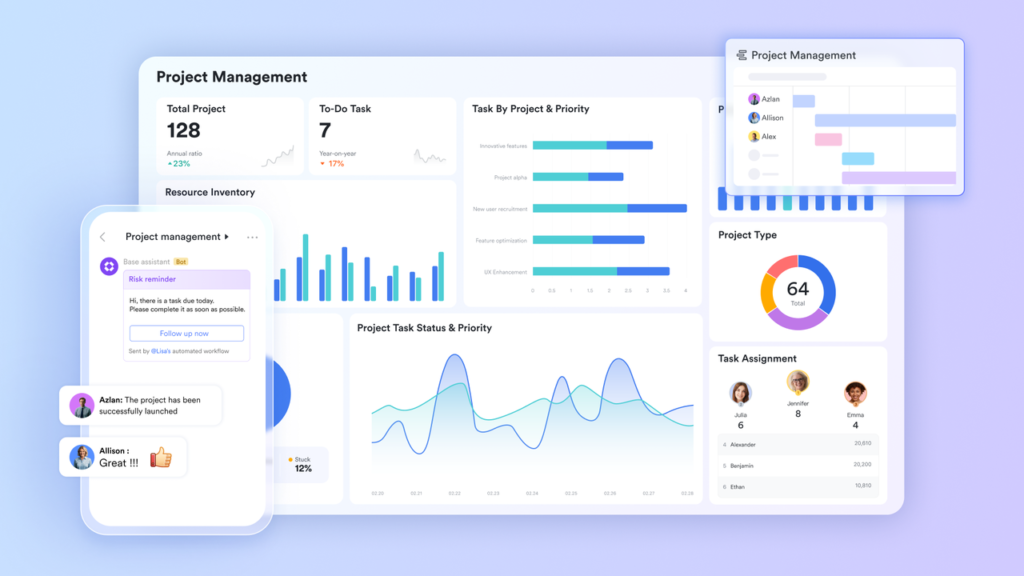
Lark Base gives high performers direct access to the operational data that reflects their own output, their team’s performance relative to their key results, and the gaps in the operational system where their capabilities could create the most value. Personal task views show the high performer their own completion rate, their own deadline adherence, and their own output volume in a format that enables genuine self-assessment rather than waiting for a manager’s assessment to arrive. Shared dashboards show how the team’s collective performance is tracking against its objectives, giving the high performer the organizational context that makes individual performance data meaningful rather than abstract.
Decision-making opportunities that build judgment with Lark Approval
One of the most reliable ways to develop a high performer is to expand the range of decisions they are trusted to make. Most organizations expand decision-making authority informally and inconsistently, leaving the high performer uncertain about what falls within their authority and what requires escalation, which creates either risk aversion or overreach.
Lark Approval’s “Conditional Branches” define decision-making authority explicitly within the approval routing logic, so the high performer can see exactly which decisions fall within their current delegated authority and which require escalation. As a high performer develops, their authority threshold can be adjusted within the routing logic to reflect their growing capability, creating a structured, visible expansion of decision-making scope that gives them both the responsibility and the safety net of a system that will route anything beyond their current authority to the appropriate level. Every approval decision they make is logged permanently, creating a performance record that objectively reflects the quality of their judgment over time.
Consistent development dialogue that does not depend on calendar availability with Lark Messenger
High performer development conversations happen too infrequently in most organizations because they depend on the manager and the team member both being available for a significant one-on-one conversation at the same scheduled time. When the schedule is full, the development conversation gets deferred, and the high performer receives the implicit message that their development is a lower priority than the operational demands on the manager’s calendar.
Lark Messenger’s “Scheduled Messages” allow managers to maintain a consistent development dialogue with high performers without requiring both parties to be simultaneously available for a formal conversation. A manager who notices something in a high performer’s recent work that deserves a specific developmental observation can compose that observation and schedule it to arrive at a moment when the high performer is likely to be receptive to it, creating a continuous development dialogue rather than a series of infrequent formal sessions. “Read/Unread Status” confirms receipt without requiring the high performer to acknowledge it publicly, so the development communication feels personal rather than performative.
Bonus: Why high performers plateau in organizations that care about them
High performers plateau not in organizations that ignore them but in organizations where the development infrastructure is not well-designed enough to give them the specific, timely, data-rich input that continued growth requires. Lattice and 15Five provide structured development frameworks. Notion and Confluence provide documentation where development goals can be recorded. But neither creates the operational feedback loop, the visible performance data, or the expanding decision-making authority that break plateaus for the team members who have already mastered their current context.
Companies evaluating Google Workspace pricing often find that collaboration tools alone don’t cover performance management, which leads them to add separate review platforms. This can create a disconnect between development conversations and day-to-day work. Lark keeps both in the same environment, making feedback more connected and actionable.
Conclusion
High performers plateau when the environment stops giving them the information they need to keep improving. A connected set of productivity tools that makes strategic opportunities visible, delivers specific feedback in real time, surfaces self-assessable performance data, expands decision-making authority in a structured way, and maintains development dialogue without requiring calendar synchronization is how organizations keep their best people growing rather than coasting on what they have already mastered.