Gardening has always had a certain magic to it, that quiet satisfaction of watching something
you planted actually grow. But technology has quietly crept into the potting shed over the
past few years, and honestly, it’s been a welcome addition. Whether you’re a first-timer
nervously sowing your first seeds or someone who’s been at it for years, there are genuinely
useful tools out there that take some of the stress away and let you get on with the enjoyable
bits.
If you’re thinking ahead to summer planting, getting your crop selection right early makes a
real difference. Plenty of vegetables absolutely love the warmer months, and if you’re
researching which summer veg works best in your plot, you’ll find the longer days and
reliable sunshine give you a real head start
Why Technology Matters in the Garden
At its heart, gardening comes down to a handful of things: soil, water, light, and timing. Get
those right and you’re most of the way there. Technology helps you manage each of them
with a bit more certainty. Moisture sensors tell you when plants are thirsty before you’ve
even stepped outside. Apps track growth cycles. Weather forecasts help you avoid sowing
seeds the night before an unexpected frost.
For beginners especially, that extra layer of information is genuinely valuable. Overwatering
is one of the most common mistakes new gardeners make, and a simple sensor can prevent
it entirely. Planting too early, overcrowding seedlings, missing the right moment to transplant,
technology won’t solve every problem, but it nudges you in the right direction.
Planning Your Garden Layout
Before you get your hands dirty, it’s worth spending some time thinking about layout. Which
plants go where matters more than people realise. Spacing affects airflow, light access, and
how well roots compete for nutrients. Get it wrong and plants struggle; get it right and they
thrive.
Digital planning tools, and there are quite a few free ones worth exploring, let you map out
your beds before committing to anything. You can try different configurations, think about
companion planting, and work out rotational cropping to keep the soil in decent shape year
after year. It’s a bit like arranging furniture on paper before lugging it around the room. For
anyone growing summer veg, this kind of advance planning helps you spot potential shading
issues and make sure sun-hungry crops actually get the light they need.
Monitoring Soil and Water
Good soil is everything. There’s no getting around it. Fortunately, soil sensors have become
remarkably affordable, and even basic models can tell you about moisture levels, pH, and
temperature. That kind of real-time data changes how you make decisions, rather than
guessing whether to water or add compost, you’ve got actual numbers to work from.
Some gardeners go further and set up automated irrigation systems that respond to soil
readings directly. That might sound elaborate, but even a basic setup saves a lot of worry
during hot spells. Combine it with something as simple as a phone reminder and you’re far
less likely to come home to parched plants in July.
Mulching still does a brilliant job of locking in moisture and keeping roots cool during summer
heat. It’s one of those old-fashioned methods that hasn’t been improved upon, though
pairing it with sensor monitoring means you get the best of both approaches.
Tracking Growth and Progress
One of the most useful habits you can develop is keeping records. It sounds a bit tedious,
but a simple digital journal, or even a notes app on your phone, where you log planting
dates, germination times, what worked and what didn’t, becomes genuinely useful by the
following spring. You start to notice patterns. You remember that the courgettes did better
when planted a fortnight later, or that a particular bed always drains too slowly after heavy
rain.
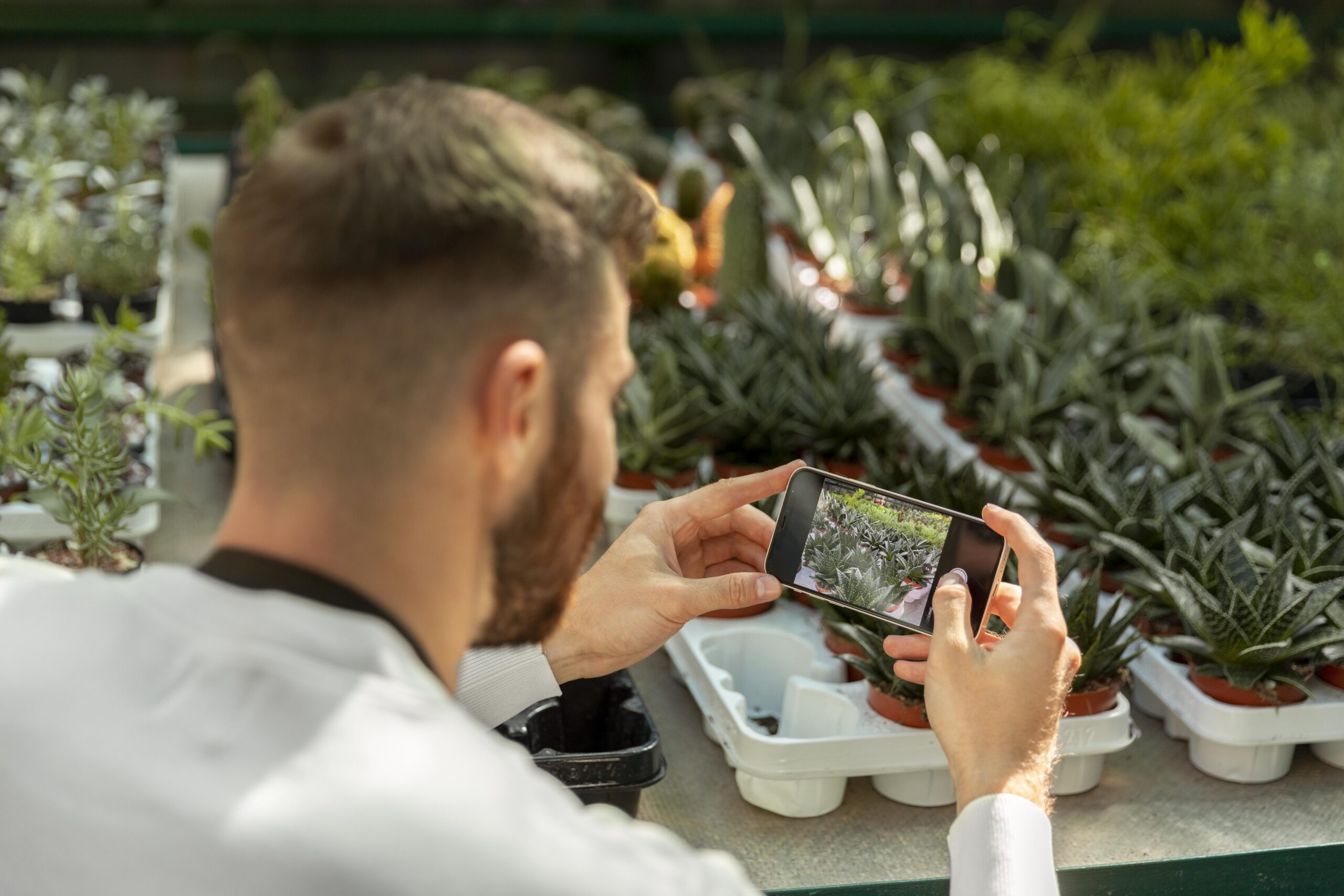
Photos are underrated here too. A quick snap every week or two gives you a visual record
that’s far more informative than you’d expect. Looking back at last year’s progress when
planning this year’s beds is surprisingly helpful.
Pest and Disease Management
Pests and disease are probably the most frustrating part of gardening, largely because they
can appear quickly and spread faster. Technology helps here in a couple of ways. Plant
identification apps have come on enormously, you can photograph a suspicious spot on a
leaf and get a reasonable diagnosis within seconds. Online gardening communities are
brilliant for this too; someone, somewhere, has almost certainly dealt with whatever you’re
looking at.
Some sensors even monitor the kind of humid, warm conditions that encourage fungal
problems, giving you a chance to act before things get out of hand. It’s not foolproof, but it’s
much better than noticing the damage after it’s already done.
Making Gardening Accessible and Fun
It’s easy to forget that gardening is supposed to be enjoyable. Technology, at its best,
removes friction rather than adding complexity. Gamified apps that encourage you to check
in daily, community forums where you can share progress and ask questions without feeling
silly, these things genuinely help beginners feel less alone in the process.
Children take to tech-assisted gardening particularly well. Giving a child a simple sensor to
monitor their sunflower, or an app to track how tall it’s grown, turns watering into something
they actually want to do. That kind of early engagement tends to stick.
Harvesting Your Rewards
All of this planning and monitoring pays off at harvest time. Picking vegetables at exactly the
right moment, when flavour and nutrition are at their peak, is something experienced
gardeners develop an instinct for over time. In the meantime, keeping records and paying
attention to your plants gets you there faster. Tomatoes, beans, leafy greens, and other
heat-lovers all reward careful attention during the summer months.
A Final Thought
Smart gardening isn’t about replacing the traditional knowledge that’s been passed down
through generations of allotment holders and kitchen gardeners. It’s about giving that
knowledge a bit of a boost. Plan carefully, choose your summer veg with the season in mind,
keep an eye on conditions, and record what you learn. Do that consistently and you’ll be
amazed at what you can grow, no green fingers required.